Ukrainian Drones Strike Omsk Refinery, Disrupting Russia’s Fuel Supply
Key Takeaways
- Ukrainian drones struck Russia's oil refineries, disrupting fuel supply nationwide.
- The strikes fueled widespread fuel shortages and long queues at gas stations.
- Moscow faces an escalating energy crisis as drones disrupt fuel supplies.
Omsk strike and shutdowns
Ukrainian drones struck Russia’s Omsk refinery on Monday, causing a fire, and Russian air defences destroyed most of the drones involved, Governor Vitaly Khotsenko said.
The Independent reported that the Omsk refinery has a design capacity of approximately 22 million metric tons of oil per year, and that it was not immediately clear how much damage the refinery had sustained.
The Kyiv Independent said the Omsk refinery was hit again on July 6, after earlier strikes that forced other refineries to shut down, and it described the campaign as “one crisis after another.”
The Kyiv Independent also said that as of July 4, Ukraine’s General Staff reported that 42.74% of Russian refining capacity had been disabled, while the International Energy Agency assessed that “more than 20%” had been knocked offline.
The Guardian added that on Monday Ukrainian drones struck the Omsk refinery in western Siberia and forced Russia’s largest refinery to temporarily halt operations, while a major petrol station chain in the city suspended gasoline sales to private customers.
Queues, admissions, and debate
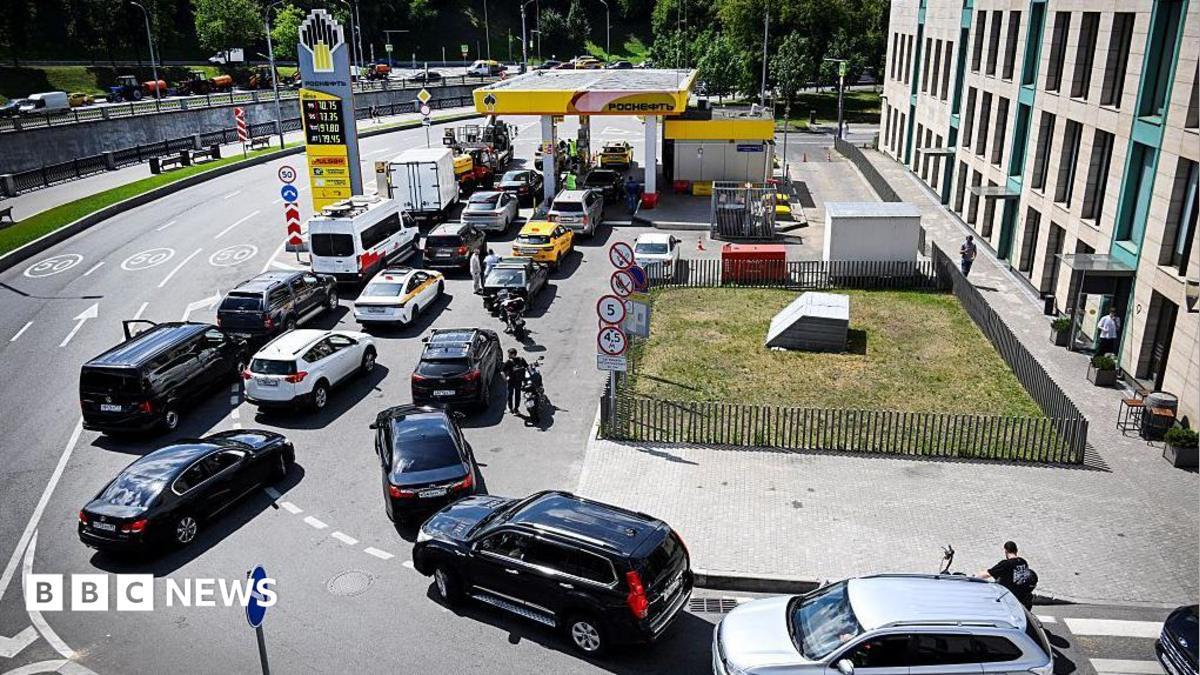
As fuel shortages spread, the BBC described queues across Moscow where “At almost every petrol station we passed there was a queue of cars and lorries,” and it quoted Yekaterina saying there was “panic because everybody thinks there will be no oil.”
The BBC also quoted Elmar saying, “You are wasting hours to fill up,” and it reported that Valery blamed “the lack of Russian preparedness as much as Ukrainian missiles.”
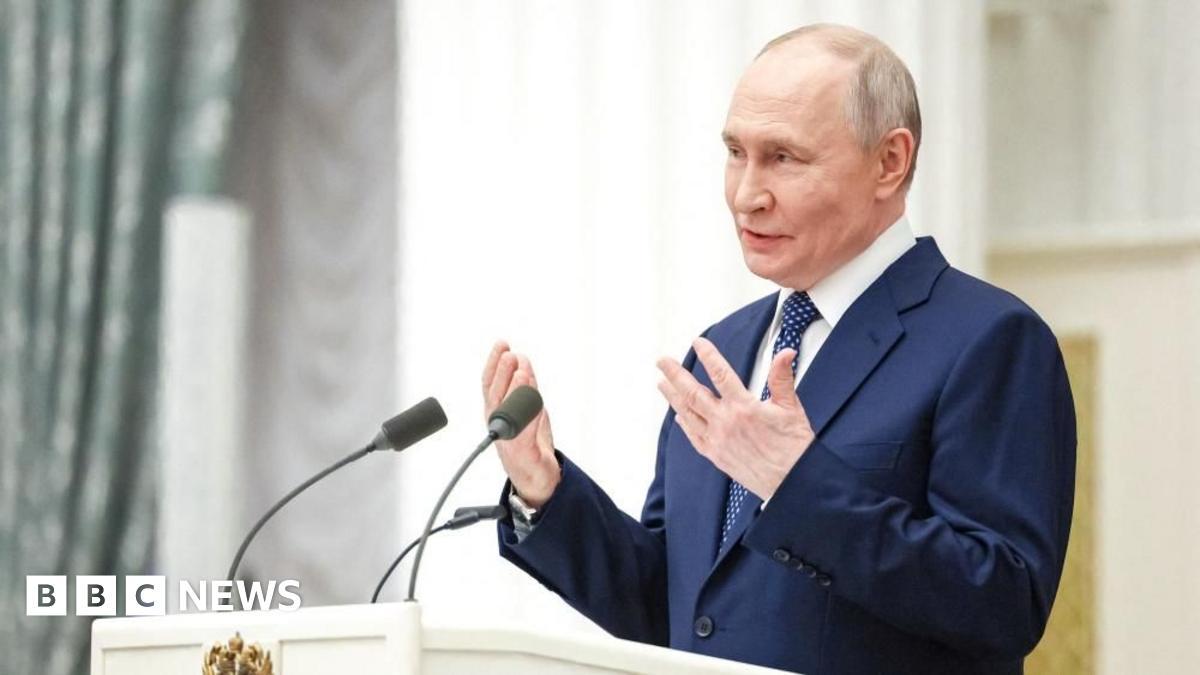
The Independent reported that Russian President Vladimir Putin publicly admitted the difficulties, saying, “Unfortunately, there are still lines at gas stations, and the right grade of gasoline isn't always available.”
The Week quoted Putin’s rare acknowledgement that Russia faced a “certain deficit” of fuel and said he told senior officials that “Unfortunately, there are still queues at petrol stations too.”
The Guardian said Ukrainian President Volodymyr Zelensky hailed the Omsk strike, saying “Siberia, too, is now within reach.”
Economic strain and next moves
The Kyiv Independent said the fuel crisis led to the suspension of exports of gasoline and jet fuel and described Russia’s campaign of targeting as “Ukrainian long-range sanctions,” while it said only one major refinery, Rosneft's Angarsk Refinery in Irkutsk Oblast, had not suffered some degree of damage in 2026.
The Guardian reported that Russia’s gasoline production had fallen by about 25% year on year and said the shortages had spread across almost the entire country, with only two Russian regions reportedly unaffected.
The Independent said the strike this week underscored Ukraine’s expanding reach and described how persistent drone assaults were intensifying fuel shortages across Russia, with reports of escalating prices and lengthy queues at petrol stations throughout numerous regions.
The BBC said authorities were taking no chances and had begun increasing fuel imports, subsidising fuel prices and allowing the sale of lower-grade fuel that some fear could damage engines.
The Week reported that the shortage may not be abated any time soon, citing Energy Intelligence analyst Gary Peach saying the amount of crude oil Russia processed into fuel in June was down 25% from a year ago to 3.95 million barrels per day, the lowest in over two decades.
More on Ukraine War
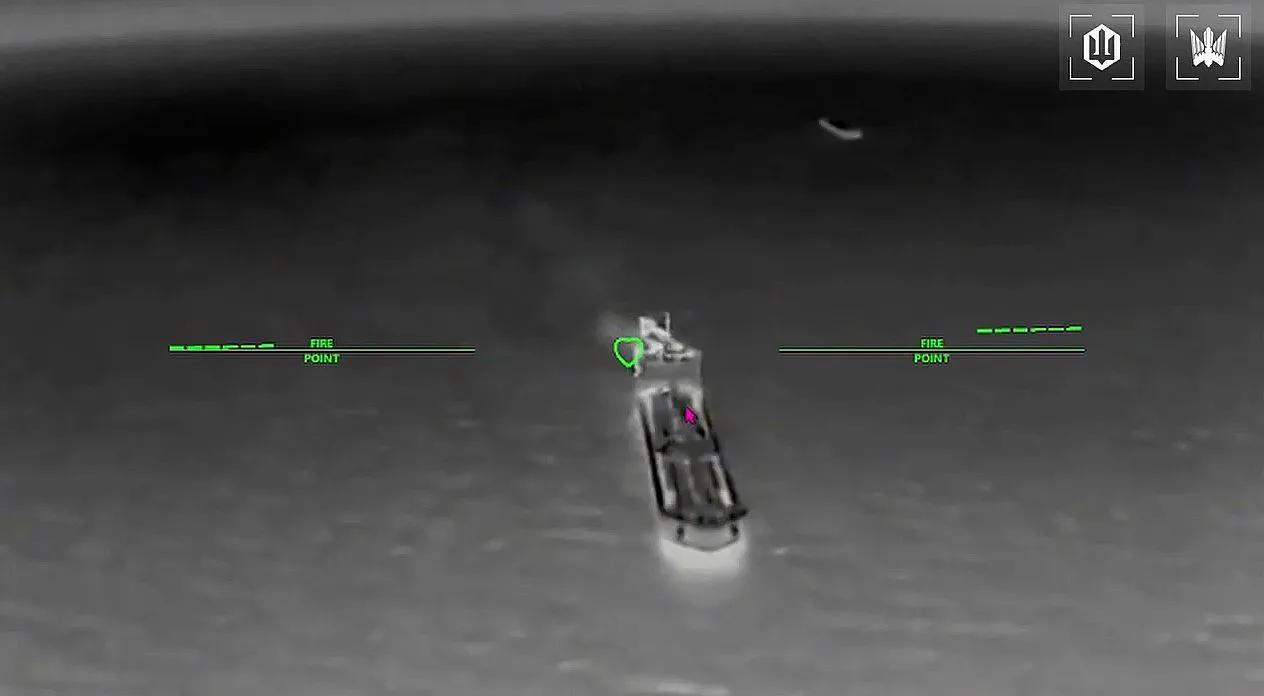
Ukrainian Drones Strike 19 Russian Shadow Fleet Tankers in Sea of Azov
22 sources compared
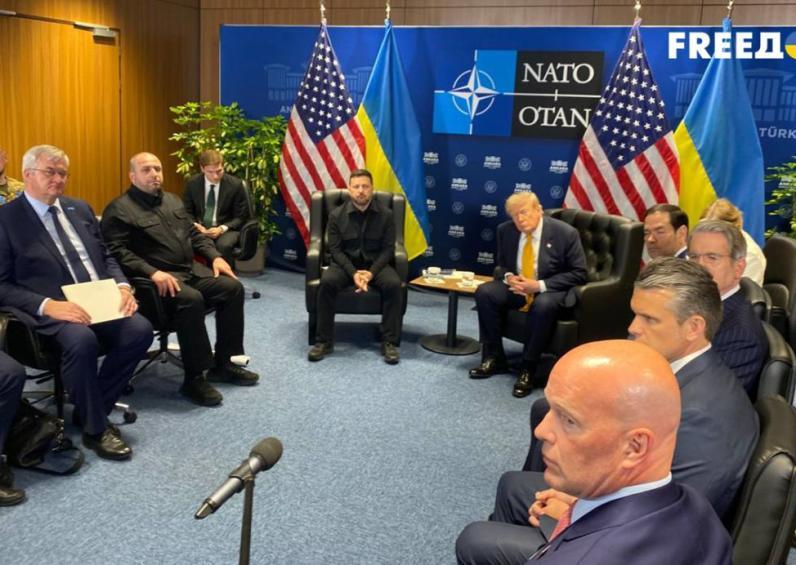
NATO Allies Pledge At Least €70 Billion for Ukraine at Ankara Summit
26 sources compared

NATO Accelerates Anti-Drone Measures, Mark Rutte Says After Defense Ministers Meeting
14 sources compared
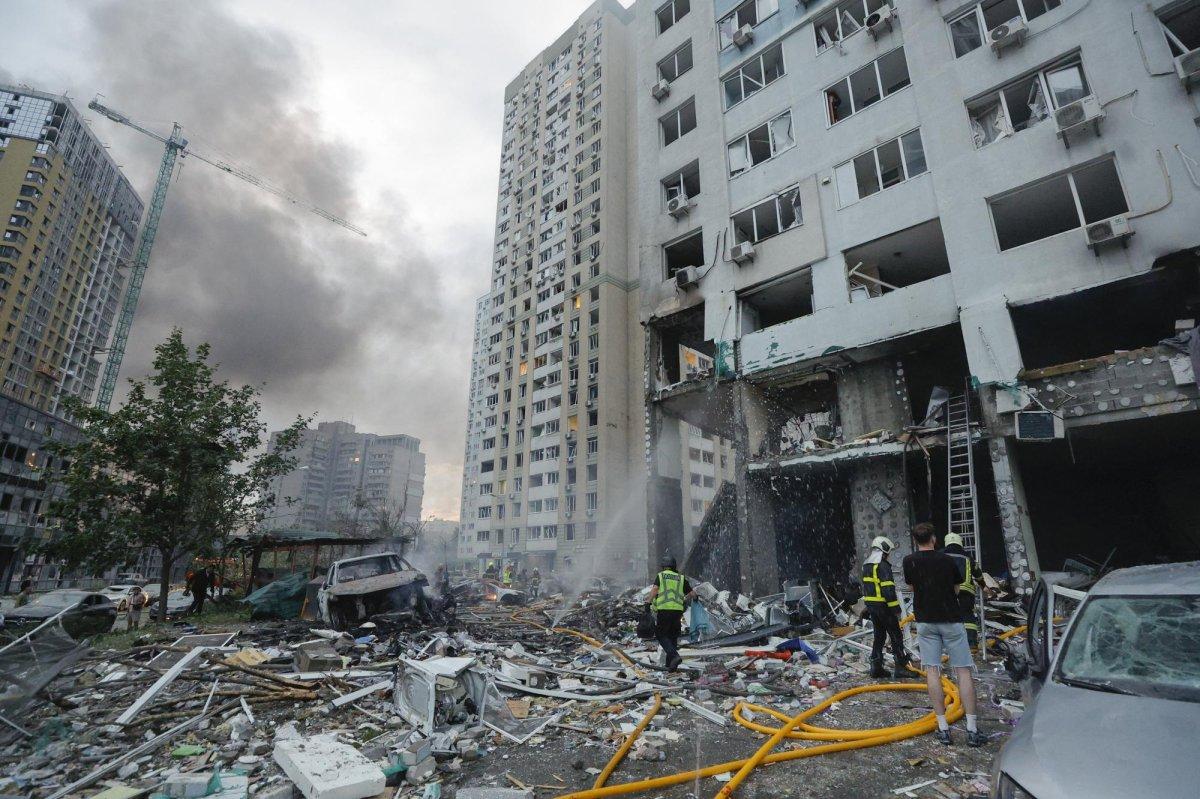
Russian Missile And Drone Attacks Kill At Least 14 In Kyiv Before NATO Summit
26 sources compared