Ukraine War · updated 2h ago · 2 min read
Ukrainian Forces Deliver 4,000 Kilograms of Food by Drone to Occupied Oleshky
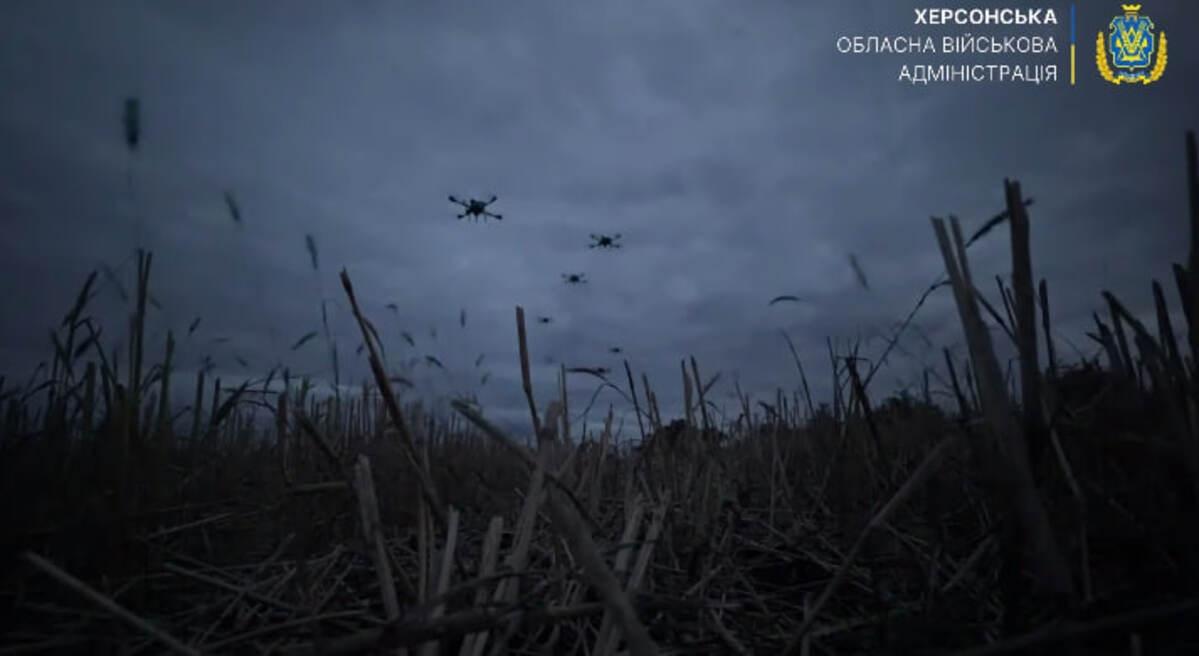
Ukrainian forces delivered about four tons of food to Oleshky via drones. Food dropped at roughly 100 locations to about 2,000 residents.
Whether the degree of aid reaching civilians is verifiable.
5 of 7 outlets skipped it: russian forces seized or resold aid and detained receivers in basements.
12outlets compared
Same story, two versions
tap a side to read it in full
Українські Національні Новини (УНН)
“it is unknown what portion of the aid reached civilians.”Read the original ↗
CBC
“video from drones, which were launched on Saturday, confirmed that some residents had received the food”Read the original ↗
CBC and UNN both report drone drops, but CBC asserts reception via drone video while UNN says the share reaching civilians is unknown.
Drones Deliver Food
Ukrainian forces used drones to deliver about 4,000 kilograms of food to the occupied town of Oleshky in Kherson Oblast, distributing supplies to 100 locations across the city. Oleksandr Prokudin, head of the Kherson regional military administration, said the operation was carried out in cooperation with units including the 30th Marine Corps and the 34th Borysfen Marine Brigade. Ukrainian officials said the deliveries were meant for roughly 2,000 residents trapped without access to basic necessities, with the Kherson Regional Military Administration estimating nearly 50 children among them. Oleksandr Prokudin warned that video from drones launched on Saturday confirmed some residents received food, but Russian troops forcibly seized supplies from civilians in some cases. The Ukrainian authorities also said the nearest place to obtain supplies was about 20 kilometres away in Radensk, while Oleshky had no functioning stores and residents faced landmines and constant drone presence.
Blockade and Accusations
Andrii Sybiha told the United Nations General Assembly in New York that residents were under a "full blockade" by Russian forces, which he said were refusing to allow humanitarian aid into the city. Dmitri Peskov, speaking via TASS, said the situation in Oleshky was "truly critical" and blamed Kyiv for blocking supplies, while also saying drones were constantly flying over the area and killing people. Oleksandr Prokudin said Russian forces attempted to disrupt aid delivery by shooting down drones carrying food and by confiscating or reselling food intended for children and elderly people. Oleksandr Tolokonnikov, deputy head of the Kherson Regional Military Administration, said the aid would give people "the opportunity to live there for up to a month" but warned the solution could be short-lived. Tetiana Hasanenko, head of the Oleshky Military Administration, said the city had no reliable electricity supply, ATMs were not working, and delivering food by land had become extremely dangerous because of mining and the constant presence of drones.
Famine Risk and Evacuation
Ukrainian officials said Oleshky was on the brink of starvation, with residents sometimes resorting to foraging for weeds and preparing soup from zucchini grown near their homes. A resident quoted by UNN said, "I have absolutely nothing to eat now," and described weight dropping from 110 to 67 kg due to the food shortage. Oleksandr Prokudin said Russian forces detained residents who received humanitarian aid parcels, and he accused them of throwing detainees "into the cellar" and beating them. The Kyiv Independent reported that the last successful food delivery to the city by vehicles was on May 26, and it said attempts on June 2 and Sept. 1 were disrupted by Russian drone attacks that killed two and injured others. Council of Europe Commissioner for Human Rights Michael O'Flaherty said civilians, including children, were struggling to access adequate food, medicine, medical care, clean water, and electricity, warning that some could face a serious risk to their lives.