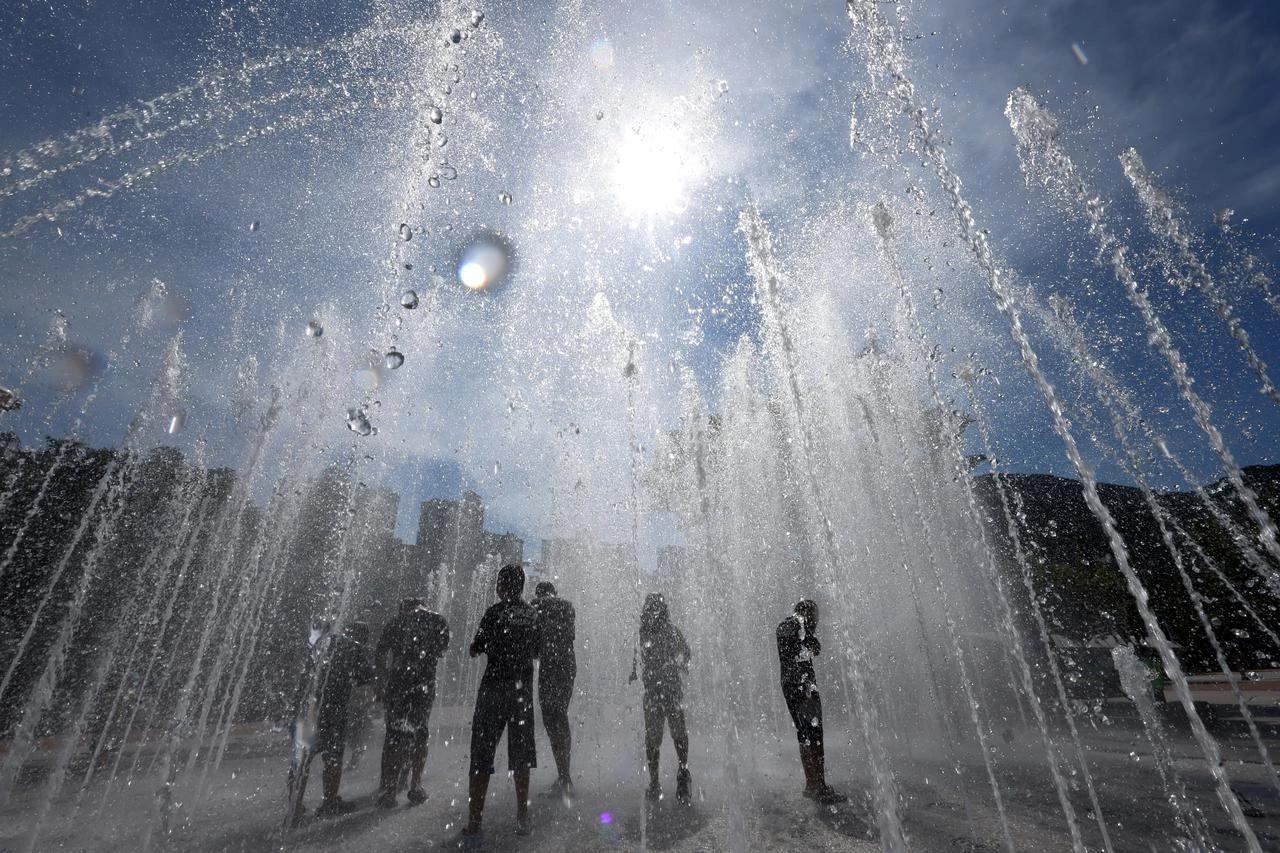
Full story
El Niño Intensifies
United Nations Secretary-General António Guterres warned that India’s monsoon is already running “below average” as forecasts indicate worsening conditions across a subcontinent where more than a billion people depend on seasonal rainfall.
“India’s monsoon is already running well “below average””
Guterres said the climate crisis is in overdrive, telling reporters: “Now it is inside the house, and turning up the heat.”

The World Meteorological Organization (WMO) forecast that sea-surface temperatures in key monitoring regions average nearly 3 degrees Celsius above normal during the August through October period.
The WMO outlook also projects that through October, nearly every land area on Earth is expected to experience above-normal temperatures, and Guterres said taken together the conditions could shatter seasonal temperature records.
WION reported the WMO forecast that sea-surface temperatures are averaging 3C (5.4F) above normal as El Niño strengthens.
Warnings and Direct Quotes
Guterres framed the strengthening El Niño as “adding fuel to a planet already on fire,” warning that it could shatter all-time records and push the world into “uncharted territory.”
In the same remarks, he said: “Two months ago, I warned that El Nino was arriving on our doorstep,” linking the current surge to earlier warnings.
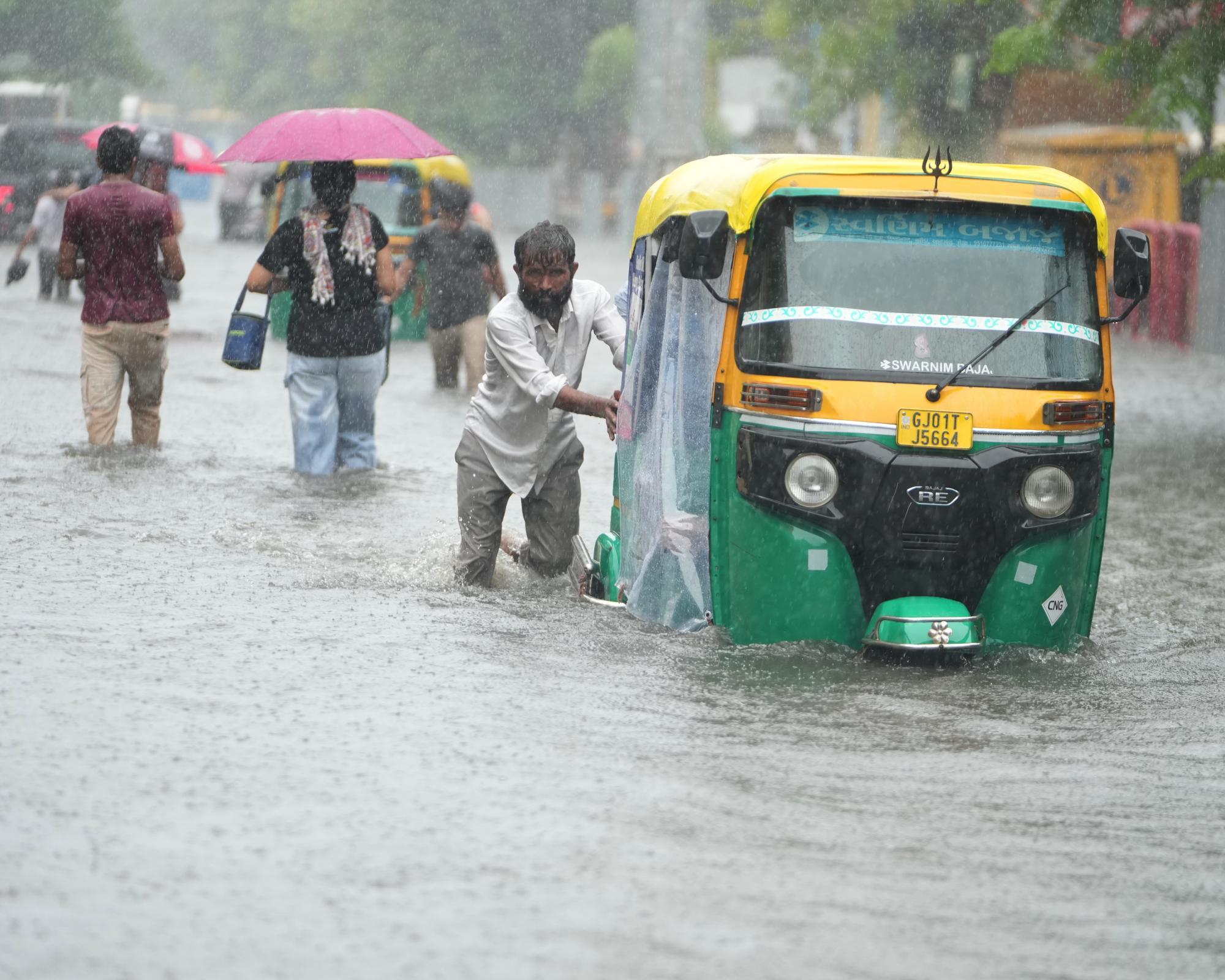
The WMO forecast that El Niño is expected to strengthen steadily during the August to October period, developing into a strong climate event with widespread impacts.
The Express Tribune reported the WMO also forecast the development of a positive Indian Ocean Dipole (IOD), with the western Indian Ocean warmer than average while the eastern Indian Ocean turns cooler.
AP News said Columbia University climate scientist Jeffrey Shaman warned that “A year from now, it’s going to be very hot in the Northern Hemisphere.”
What’s at Risk Next
Guterres warned that the risks go beyond heat alone, saying El Niño “profoundly affects the world’s rainfall” and that hotter and drier conditions are forecast from Central America and the Caribbean to parts of South America, South Asia, the Southwest Pacific, Europe and Africa.
““profoundly affects the world’s rainfall””
He also emphasized that heat is claiming lives on a growing scale and that it is putting an enormous share of the global workforce at risk, exposing billions of people to dangers and often life-threatening conditions.
The WMO projects above-normal temperatures across nearly all land areas, with the most intense heat signals stretching across Africa, southern Europe, the Indian subcontinent, East Asia, and South America, according to Al Jazeera.
Al Jazeera quoted WMO Secretary-General Celeste Saulo saying, “Forecasts in themselves do not prevent hazards; people do,” and that decisions made today shape impacts experienced tomorrow.
Guterres called for action on four fronts, including protecting people with city- and country-wide heat plans and early warning systems, and he said “the world must stop fueling the crisis” by rolling back fossil fuels.