UN General Assembly Adopts Ghana-Led Resolution Declaring Transatlantic Slave Trade Gravest Crime, Demands Reparations, Restitution
Key Takeaways
- Ghana-led UN resolution declares transatlantic slave trade gravest crime against humanity; 123-3-52 vote.
- Resolution calls for reparations, apologies, and restitution of looted cultural items.
- United States, Israel, and Argentina voted against; 52 abstained.
GA adoption redefines reparations
The UN General Assembly’s adoption of the Ghana-led resolution marks a pivotal development in how international law and global memory intersect with reparations.
“The resolution states that racially based slavery is among the gravest crimes against humanity, condemning what it described as an unprecedented violation in its cruelty and persistence against humanity”
The vote was reported as 123 in favour with either 52 or 53 abstentions and 3 against, a pattern that mirrors a regional divide on accountability and remedies.
The resolution frames reparations as a concrete path forward, not merely symbolic acknowledgment, while noting that GA resolutions are non-binding.
The package explicitly calls for formal apologies, restitution of looted artefacts, and a reparations dialogue, but it does not prescribe a specific monetary figure.
Detailed demands and limits
The text explicitly calls for the prompt and unhindered restitution of looted cultural artefacts, including artworks and archives, to countries of origin at no cost to those governments.
It frames reparations as more than money, urging formal apologies, measures of restitution, compensation, rehabilitation, and safeguards against discrimination as elements of the remedy.
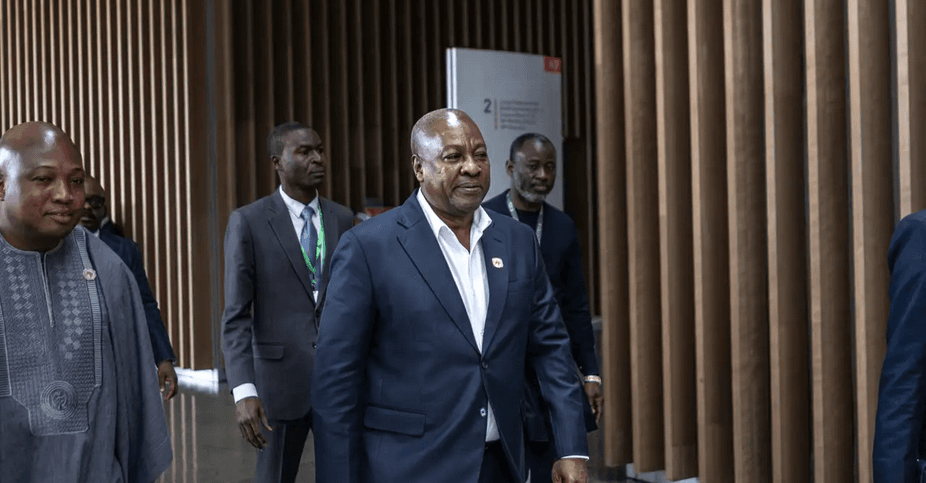
Non-Western outlets highlight that the resolution is non-binding yet aims to establish a reparations framework that could guide future negotiations and institutions.
Analyses also stress that the absence of a defined monetary figure means disputes over who pays and how much will remain a subject for subsequent diplomacy.
Geopolitical rift on reparations
The United States, Israel, and Argentina voted against the resolution; the UK and EU members abstained in many outlets' tallies.
“The United Nations General Assembly on Wednesday passed a resolution declaring the trafficking of enslaved Africans “the gravest crime against humanity” and calling for reparations as “a concrete step towards remedying historical wrongs””
Western outlets framed the move as political and symbolic rather than legally binding, while African and Asian analyses stress the moral and strategic weight of a reparations conversation.
Some Western commentators warn against creating a hierarchy of crimes against humanity, arguing it could distort memory and precedent.
Catalyst for reparations momentum
African and Caribbean outlets describe reparations as a pathway to remedy rather than memory alone.
Observers note the vote could catalyze a UN-backed reparations framework or tribunal discussions, even as the GA resolution remains non-binding.
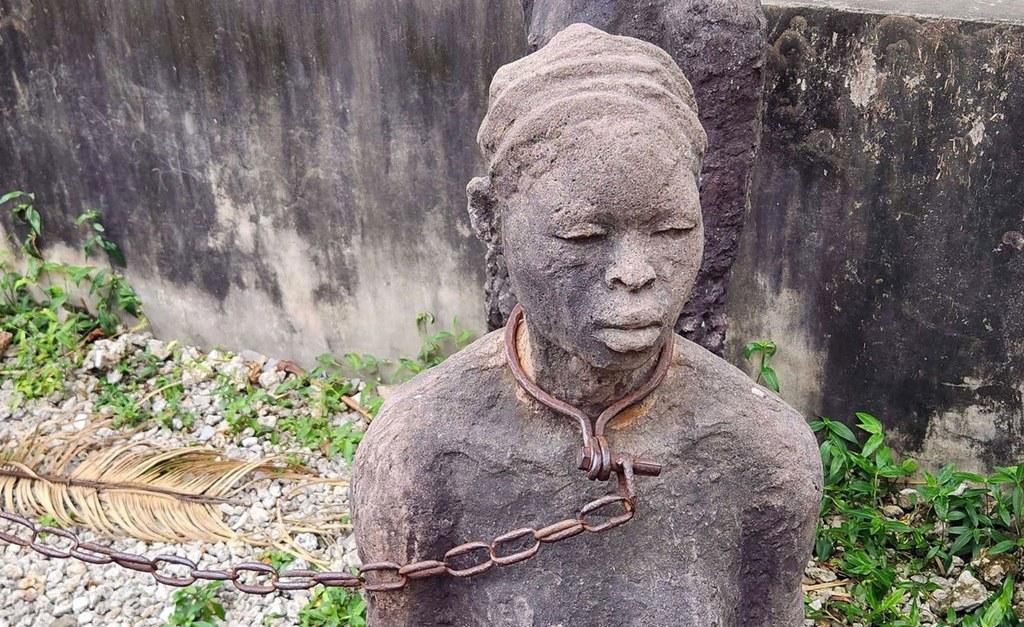
The development signals a shift from symbolic remembrance toward concrete policy and institutional avenues for accountability.
More on Africa
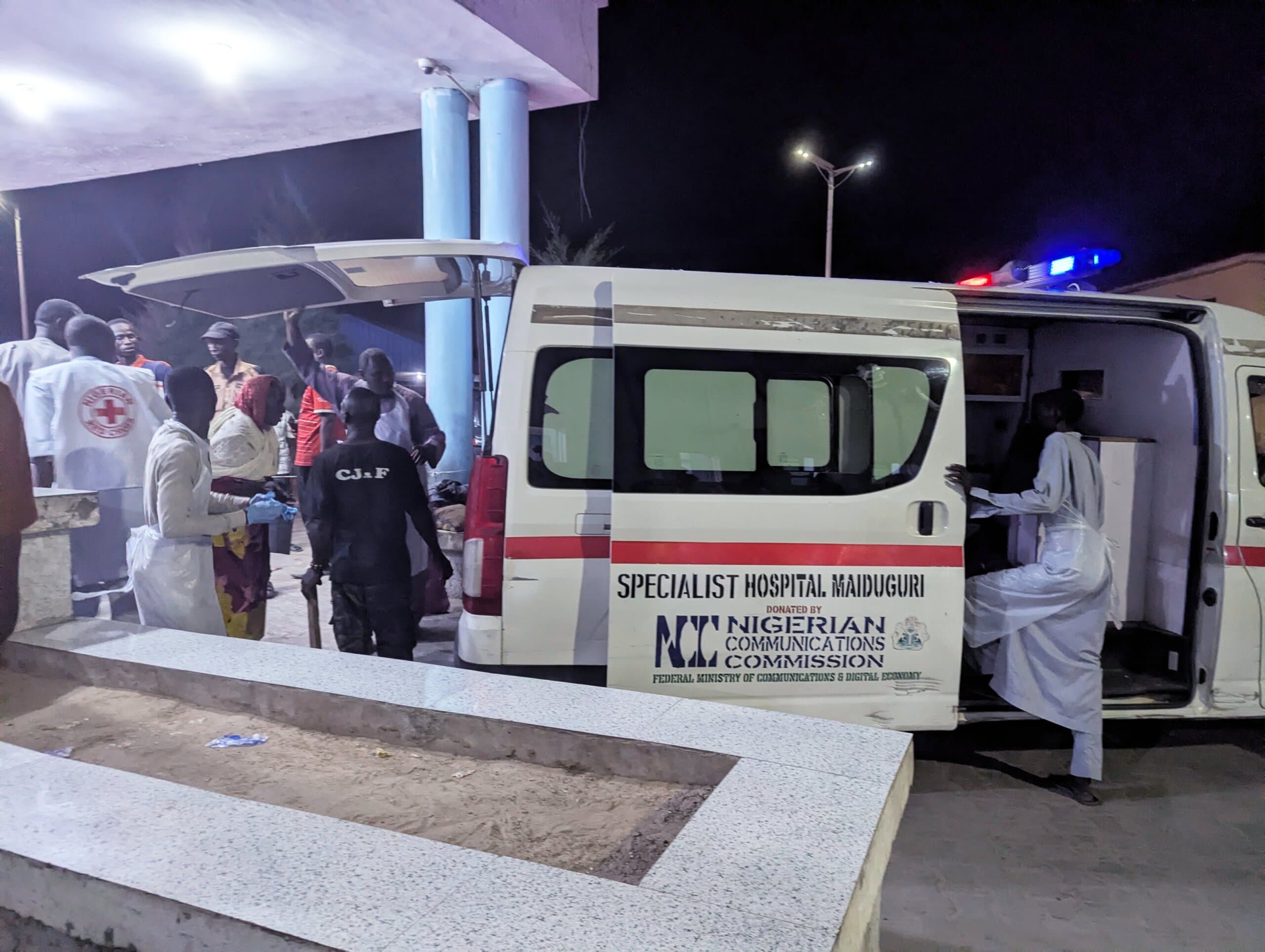
Boko Haram suicide bombers kill 23 in Maiduguri
24 sources compared

Somaliland Offers US Exclusive Access to Minerals and Military Bases to Win Recognition
10 sources compared
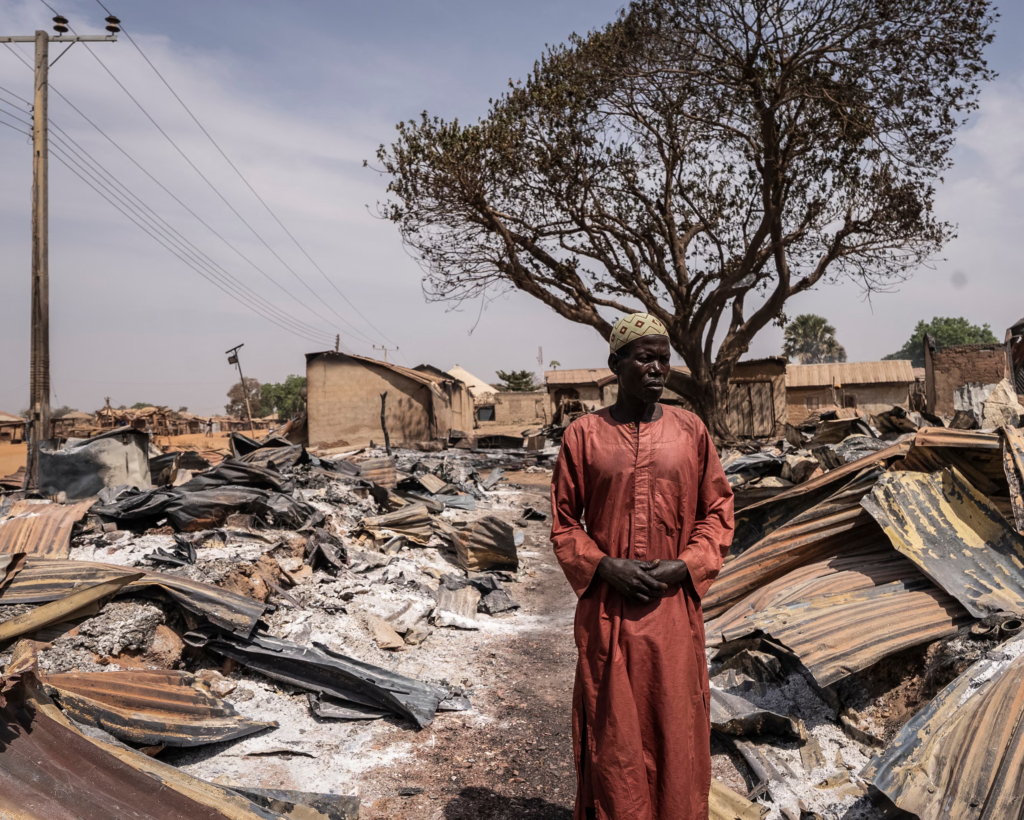
Boko Haram Gunmen Massacre Scores of Villagers in Kwara and Katsina After Sending Letter Asking to Preach
19 sources compared
Boko Haram Gunmen Massacre Villagers in Kwara After Sending Letter Asking to Preach
20 sources compared