Gaza Genocide24 September, 20252 min read
UN General Assembly Recognizes Palestinian Statehood, Delivering Diplomatic Blow to Netanyahu
This article is an automated aggregation of coverage from news outlets. Our editorials offer in-depth analysis curated by the NewsCord team.
Western countries including France, Britain, Canada, and Australia officially recognized Palestine. Recognition by major Western nations marks a significant diplomatic defeat for Netanyahu's government.

8 outlets told this the same way.
Outlets did split on Israel Marks Oct. 7 Anniversary With Strikes on Gaza, Netanyahu Faces Election After Nova Tribute →
UN Recognition of Palestine
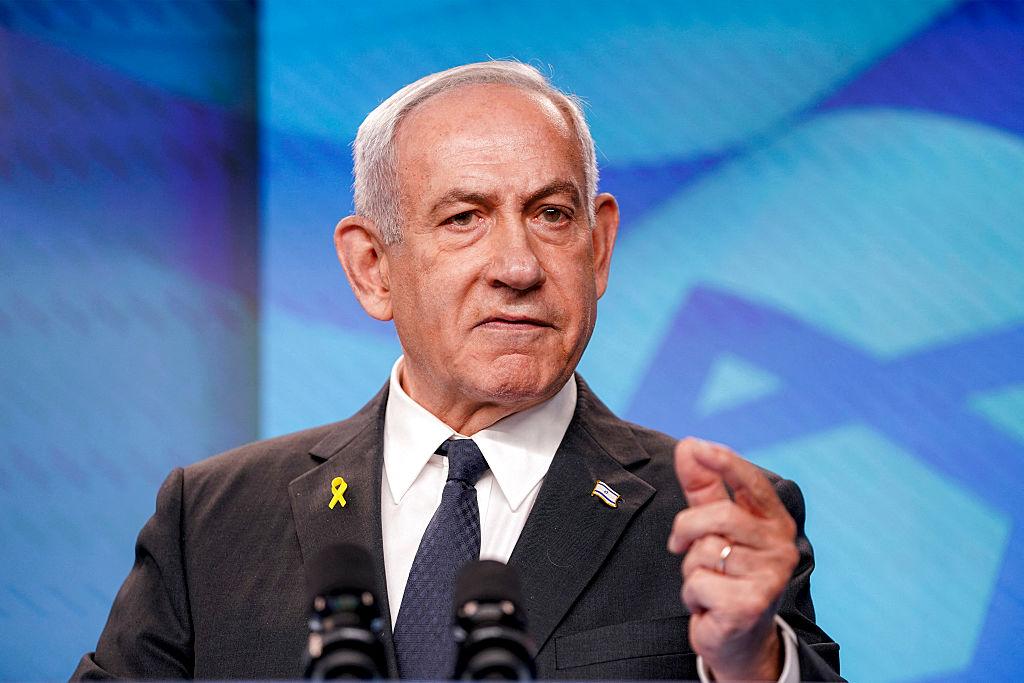
The United Nations General Assembly's recent recognition of Palestinian statehood marks a significant diplomatic setback for Israeli Prime Minister Benjamin Netanyahu. This decision, supported by over 150 countries including major Western powers such as France, Britain, Canada, and Australia, represents a shift in international attitudes towards Israel and its policies in Gaza.
“Israel faced a significant diplomatic setback at the United Nations General Assembly, as over 150 countries—including major Western powers like France, Britain, Canada, Australia, and several EU nations—recognized the Palestinians' right to establish an independent state.”
The recognition is seen as a response to Israel's intensified military operations in Gaza, which have been widely criticized as acts of genocide against the Palestinian people. This move challenges Israel's longstanding diplomatic influence and signals a growing international consensus in favor of Palestinian sovereignty.
Recognition of Palestinian Statehood
The recognition of Palestinian statehood by these countries is largely symbolic but carries significant political weight. It reflects a growing grassroots movement in Western countries that challenges traditional support for Israel and calls for an end to what is described as Israeli apartheid and genocide in Gaza.
This movement has been inspired by historical struggles such as South Africa's anti-apartheid movement. The recognition also highlights the stark power imbalance between a heavily armed Israel, supported by the U.S., and a resource-lacking Palestine, as noted by various international observers.
International Reactions to Israel-Palestine Conflict
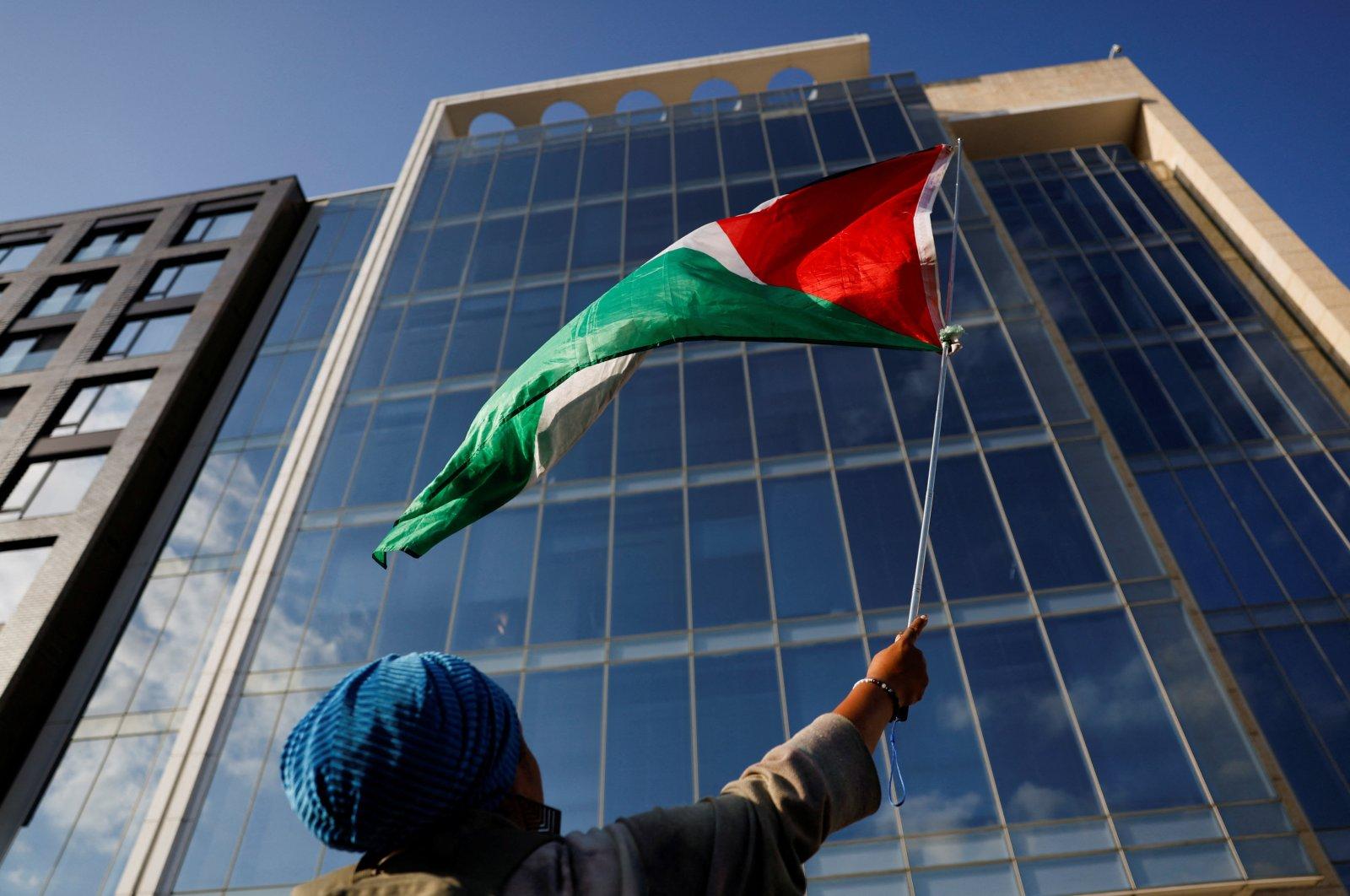
The diplomatic shift is further complicated by the reactions of countries like the United States, which continues to support Israel despite growing international criticism. The U.S. has previously threatened sanctions against countries recognizing Palestine, highlighting the geopolitical tensions surrounding the issue.
“In protest, countries including France, the U.K., and Canada recognized Palestinian statehood at the UN General Assembly, a move firmly rejected by Israeli Prime Minister Benjamin Netanyahu.”
Meanwhile, Israel's military actions in Gaza, described by some as state terrorism, continue to draw condemnation from various international actors. Countries including Qatar and Saudi Arabia have criticized Netanyahu's policies towards Palestinians.
UN Recognition of Palestine
The recognition of Palestinian statehood at the UN General Assembly is seen as a historic turning point with potential long-term implications for the Israeli-Palestinian conflict. It challenges the established two-state peace framework and raises questions about the future of Israeli influence over Western policies.
The move is part of a broader trend of increasing international isolation for Israel, as more countries align with the Palestinian cause. However, the effectiveness of this recognition in bringing about tangible change remains uncertain, as it depends on whether Western states will follow up with concrete actions or revert to empty rhetoric.