Asiaupdated 1h ago2 min read
UN OCHA Warns 19.2 Million Afghans Face Acute Hunger This Winter Amid Funding Shortages
This article is an automated aggregation of coverage from news outlets. Our editorials offer in-depth analysis curated by the NewsCord team.
19.2 million Afghans projected to face acute food insecurity this winter due to funding shortages. About 5 million in emergency hunger, nearly famine, as funding cuts hamper aid delivery.
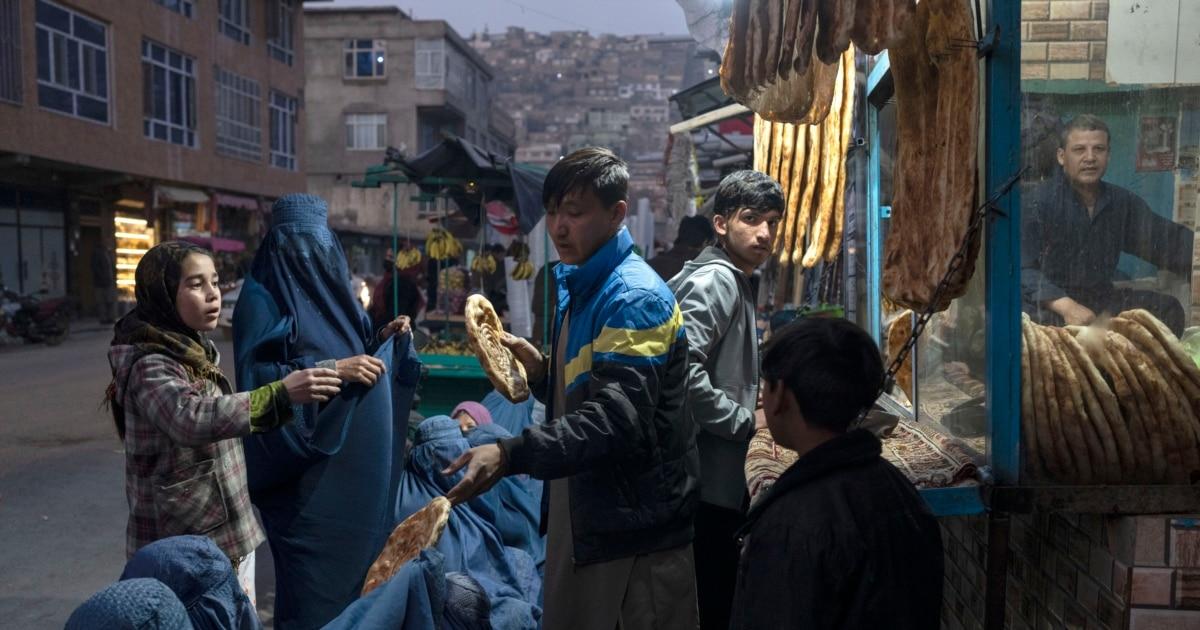
Shared framing
Several headlines cite a UN projection of roughly nineteen million Afghans facing acute food insecurity by winter or April. One duplicate is counted once; a separate sixteen-million figure is excluded.
6 of 14 outlets · 6 of 15 headlines analysed
- Al Arabiya English
19.2 mln Afghan facing acute food insecurity by April
- A News
19.2 mn Afghans facing acute food insecurity by April
- Winnipeg Sun
19 mn Afghans facing acute food insecurity by April
See the headlines
UN projection of widespread acute food insecurity in Afghanistan
Several headlines attribute to the UN a projection that about nineteen million Afghans will face acute food insecurity by winter or April 2027. The identical A News/Anadolu title counts once. A separate sixteen-million figure and broader famine language are outside this specific statistic.
- Al Arabiya EnglishReporting · OngoingUN says 19.2 mln Afghan facing acute food insecurity by April
Attributed to UN.
- A NewsReporting · OngoingUN says 19.2 mn Afghans facing acute food insecurity by April
Attributed to UN.
- Winnipeg SunReporting · OngoingUN says 19 mn Afghans facing acute food insecurity by April
Attributed to UN.
- صدای امریکا دریReporting · OngoingUnited Nations: by April, 19 million Afghans will face acute food insecurity
Attributed to United Nations.
Translated headline (fa).
ملل متحد: تا ماه اپریل، ۱۹ میلیون افغان با عدم مصوونیت حاد غذایی روبه رو خواهند شد
- ScmpReporting · Ongoing19.2 million Afghans could soon face ‘acute food insecurity’: UN | South China Morning Post
Attributed to UN.
- Informat.roReporting · OngoingThe United Nations Office for the Coordination of Humanitarian Affairs warns that 19.2 million Afghans could suffer from acute food insecurity by April 2027
All 15 analysed headlines
- Al Arabiya EnglishReporting · OngoingUN says 19.2 mln Afghan facing acute food insecurity by April
- DWReporting · OngoingThe United Nations has once again warned about the famine crisis in Afghanistan.
Translated headline (fa).
ملل متحد بار دیگر درباره بحران گرسنگی در افغانستان هشدار داد
- A NewsReporting · OngoingUN says 19.2 mn Afghans facing acute food insecurity by April
- A NewsReporting · OngoingNearly 19.2M Afghans projected to face acute hunger this winter: UN
- خبرگزاری معمارReporting · OngoingThe Afghan Hunger Crisis; the UN Secretary-General’s emphasis on practical action in the fight against hunger.
Translated headline (fa).
بحران گرسنهگی در افغانستان؛ تأکید دبیرکل سازمان ملل بر مبارزه عملی با گرسنهگی
- Winnipeg SunReporting · OngoingUN says 19 mn Afghans facing acute food insecurity by April
- Latest news from AzerbaijanReporting · OngoingUN warns 19.2 million Afghans could face acute hunger this winter
- صدای امریکا دریReporting · OngoingUnited Nations: by April, 19 million Afghans will face acute food insecurity
Translated headline (fa).
ملل متحد: تا ماه اپریل، ۱۹ میلیون افغان با عدم مصوونیت حاد غذایی روبه رو خواهند شد
- RFIReporting · OngoingUN: More than 19 million people in Afghanistan are on the brink of a severe food crisis
Translated headline (fa).
سازمان ملل: بیش از ۱۹ میلیون نفر در افغانستان در آستانۀ بحران شدید غذایی قرار دارند
- Anadolu AjansıReporting · OngoingNearly 19.2M Afghans projected to face acute hunger this winter: UN
- httpsReporting · Ongoingهشدار سازمان ملل درباره ناامنی حاد غذایی ۴۰ درصد نفوس افغانستان
- رادیو فرداReporting · OngoingUN: 16 million Afghans will face a food security crisis by the end of winter.
Translated headline (fa).
سازمان ملل: ۱۶ میلیون افغانستانی تا پایان زمستان دچار بحران غذایی خواهند شد
- ScmpReporting · Ongoing19.2 million Afghans could soon face ‘acute food insecurity’: UN | South China Morning Post
- Informat.roReporting · OngoingThe United Nations Office for the Coordination of Humanitarian Affairs warns that 19.2 million Afghans could suffer from acute food insecurity by April 2027
- ShiaWavesReporting · OngoingAfghanistan: UN Warns of Worsening Hunger Crisis as Millions of Children Face Malnutrition
Counts describe this collection. One headline may support more than one angle.
Exclusions: Unclear event match (1).
Analysed 20 Oct 2026.
Reviewed by Codex validator (AI) · 20 Oct 2026
19.2M projected to face hunger
The UN Office for the Coordination of Humanitarian Affairs warned that nearly 19.2 million people in Afghanistan are projected to face acute food insecurity this winter due to funding shortages. Olga Cherevko, spokesperson for the UN Office for the Coordination of Humanitarian Affairs (OCHA) in Afghanistan, told reporters in Geneva that between September and October, 15.9 million people, "nearly one in three Afghans," are facing acute food insecurity at crisis level or worse.
“‘It is projected that the number of people facing acute food insecurity will rise to 19.2 million.”
Olga Cherevko said this winter, 5 million people could face emergency levels of hunger, and she warned that "Once these services disappear, the consequences can be irreversible, especially for children." Olga Chervo ko, spokesperson for the UN Office for the Coordination of Humanitarian Affairs (OCHA) in Afghanistan, said at a Geneva press briefing, "It is projected that the number of people facing acute food insecurity will rise to 19.2 million."
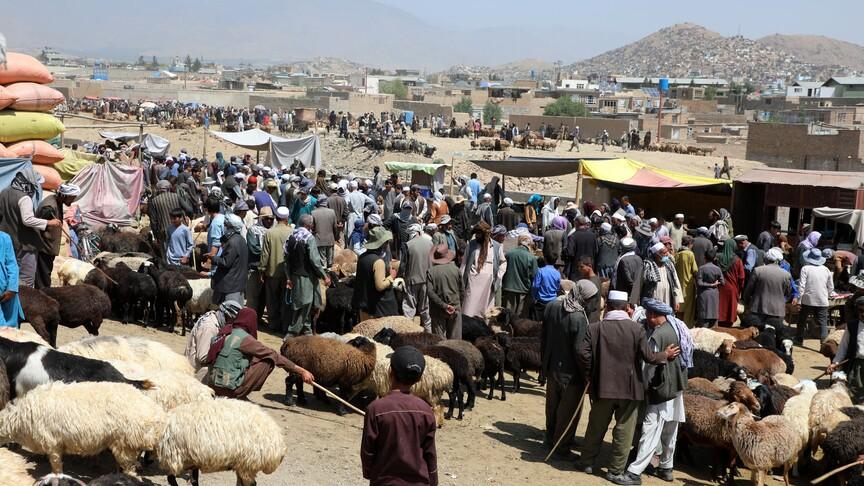
Malnutrition and closed nutrition sites
Olga Cherevko told reporters in Geneva that more than 4 million children aged between 6 months and 5 years are projected to need treatment for acute malnutrition next year, including nearly 1.1 million for acute malnutrition. The UN humanitarian affairs office said approximately one-third of nutrition sites have closed or suspended services, partly due to funding cuts, and Olga Cherevko warned that "Once these services disappear, the consequences can be irreversible, especially for children."
The UN Office for the Coordination of Humanitarian Affairs warned from Kabul that between September and October, 15.9 million people are already facing acute food insecurity at crisis level or worse, including 3.4 million in an emergency situation. Olga Chernova, spokesperson for OCHA in Afghanistan, said from Kabul in a briefing with journalists in Geneva, Switzerland, "Of these, it is expected that five million people will face emergency hunger; meaning they are only one step away from famine."
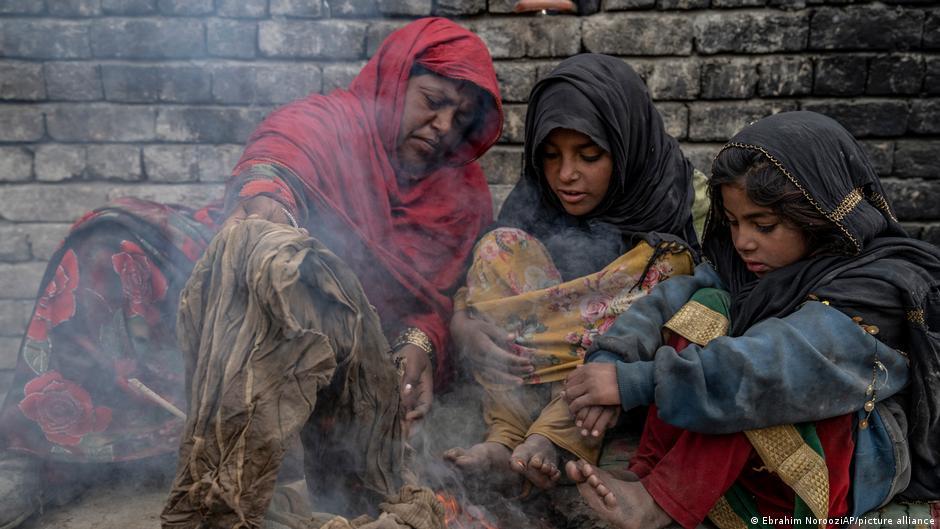
Women’s restrictions worsen crisis
Olga Cherevko warned that restrictions on women and girls are worsening the crisis, citing UNICEF estimates that Afghanistan could lose up to 20,000 women teachers and 5,400 female health workers by 2030 if current restrictions continue. Olga Cherevko called for urgent humanitarian assistance ahead of winter, alongside sustained investment in agriculture, employment, healthcare and economic opportunities for women.
“Action must be taken before winter arrives, not when families have exhausted all their resources.”
The UN humanitarian affairs office said millions remain unable to afford food despite improved rainfall and agricultural production, while years of conflict, drought and economic hardship have eroded families' ability to cope. Olga Chernova warned that "Action must be taken before winter arrives, not when families have exhausted all their resources," as the UN projected the crisis would deteriorate between November 2026 and April 2027.