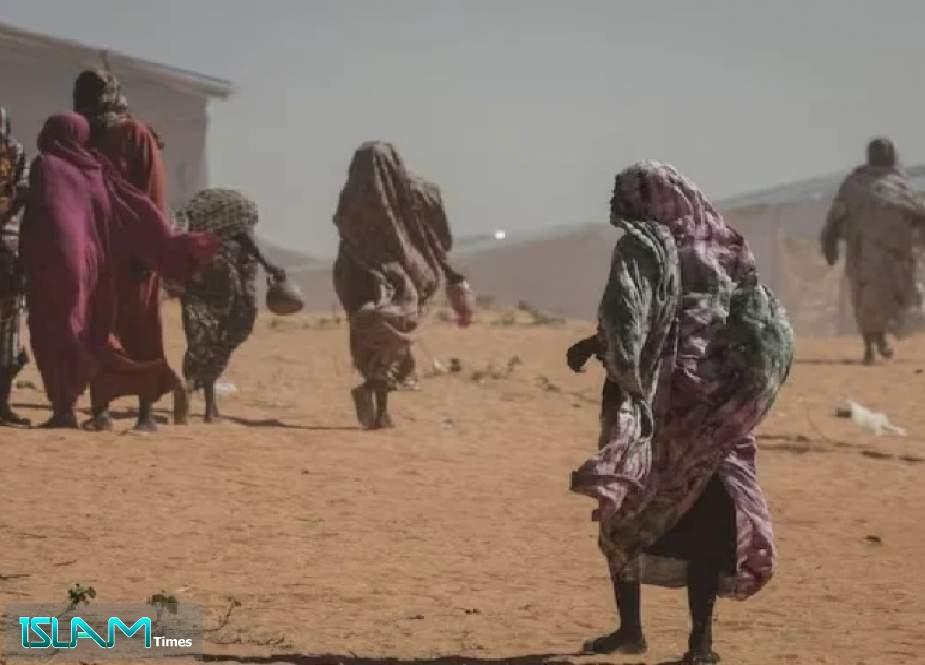
UN Report Says Sudan’s RSF Killed, Raped, Abducted Civilians in El-Fasher, Marking Genocide
Key Takeaways
- UN finds RSF mass killings and gang rapes in El Fasher, indicating genocide.
- Deliberate starvation used as weapon by RSF in El Fasher siege.
- UN mission notes systematic abductions of women and girls by RSF.
UN flags genocide markers
A UN Fact-Finding Mission for Sudan said its new report provides further evidence that atrocities committed by warring parties constitute markers of genocide, with spokesperson for the Secretary-General Stéphane Dujarric saying the report found that Sudan's Rapid Support Forces, or RSF, carried out brutal attacks against civilians in el-Fasher, including mass killings, systematic abductions of women and girls, and mass gang rapes.
“The United Nations says a new report by it’s Fact-Finding Mission for Sudan provides further evidence that atrocities committed by warring parties in the region constitute markers of genocide”
Dujarric told reporters in New York Wednesday that the Mission warned similar patterns of violence and devastation are now emerging in el-Obeid and said the Mission is launching an urgent inquiry into alleged human rights violations and abuses there.

The UN investigation described RSF actions in el-Fasher as genocide, concluding that the RSF’s systematic campaign of violence against civilians during and after its siege of the capital of North Darfur state amounted to genocide.
Al Jazeera reported that the mission’s chairman Mohamed Chande Othman said, “The patterns we documented in el-Fasher – including encirclement, attacks on civilian infrastructure, restrictions on humanitarian access and widespread abuses against civilians – serve as a stark warning,” as the report warned of urgent lessons for el-Obeid.
The same UN findings also described the RSF and its allies committing the war crime of starvation by imposing a prolonged siege on the city, impeding relief supplies, and shelling food production systems, with RSF denying the abuses and saying accounts have been manufactured by its enemies.
ICC probe and competing focus
In parallel with the UN genocide findings, ICC Deputy Prosecutor Nazhat Shameem Khan told Reuters that “We have got strong evidence linking what is occurring in Darfur with leadership levels,” describing it as “a breakthrough for us” after visiting eastern Chad to meet victims of the attacks.
The Eastleigh Voice reported that the ICC probe is focused on the 2023 attack on Al Geneina city and last year’s attack on El Fasher that left several people dead, with the two cities seeing the most intense violence in the war between the Sudanese army and the Rapid Support Forces (RSF) that continued for more than three years.

Africanews said the Fact-Finding Mission reiterated its calls for effective accountability, including prompt cooperation with, and action by, the International Criminal Court.
Al Jazeera reported that UN High Commissioner for Human Rights Volker Turk warned last week that a “catastrophe” was unfolding around el-Obeid, the capital of North Kordofan state in south-central Sudan, and said his office had documented patterns of summary executions, abductions, torture and sexual violence in the surrounding region.
The UN News report said the mission will investigate alleged violations and abuses of international human rights law and humanitarian law in El Obeid following a 6 July resolution adopted by the UN’s Human Rights Council, while also warning that “El Obeid must not become the next crime scene.”
Humanitarian crisis and next risks
The UN News report said the conflict between the Sudanese Armed Forces of the military government (SAF) and the RSF has killed at least 59,000 people and displaced at least 14 million more, while the UN considers Sudan the worst humanitarian crisis in the world with 33.7 million people requiring humanitarian assistance and access to people in need severely restricted.
It warned that El Obeid, the capital of the North Kordofan state, had faced “siege-like conditions” for 18 months and said the situation could deteriorate further as attacks on critical infrastructure such as power stations caused blackouts, disrupted water supplies and hampered hospitals’ ability to operate.
The UN News report also said that in three weeks in June, the UN verified 15 drone strikes killing at least 45 civilians in El Obeid and the surrounding area, as investigators raised the alarm over tactics used in El Fasher being deployed around El Obeid.
Arab News reported that more than half-a-million residents and over 100,000 internally displaced people in and around El-Obeid now face increasing insecurity, attacks on critical infrastructure and restricted access to essential services, while the UN Secretary-General Antonio Guterres called for a “redoubling of unified action” to end the conflict.
The UN Fact-Finding Mission said it would continue its investigations and report on the situation in and around El-Obeid to the Human Rights Council and the General Assembly, and it reiterated its calls for effective accountability, including prompt cooperation and action by the International Criminal Court, as the Mission warned that El-Obeid must not become the next crime scene.
More on Sudan
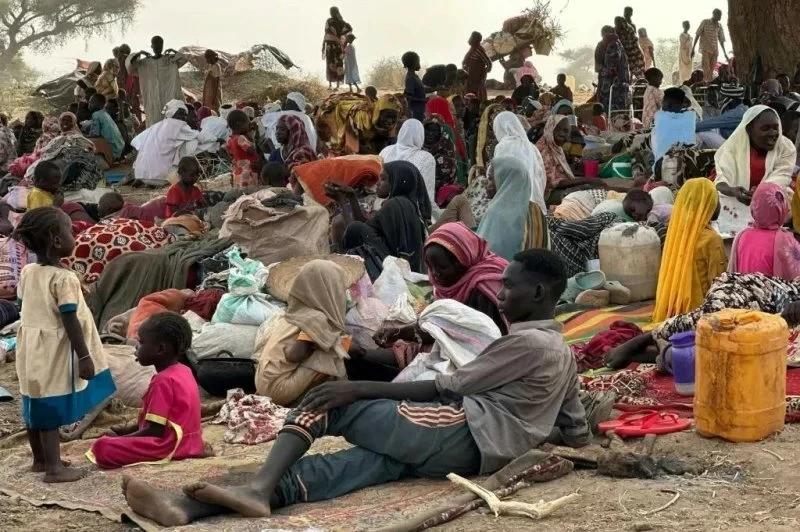
UN Investigators Say RSF Tactics in El-Obeid Bear Hallmarks of Genocide
15 sources compared

Sudan Gold Mine Collapse Kills 15 Miners At Mohamed Tawfiq Mine Near Egyptian Border
11 sources compared

Qatar Airways Launches First Port Sudan Flights From Doha With Airbus A320
10 sources compared

Rapid Support Forces Impose Siege Conditions, Intensify Drone Strikes on El Obeid, Sudan
18 sources compared