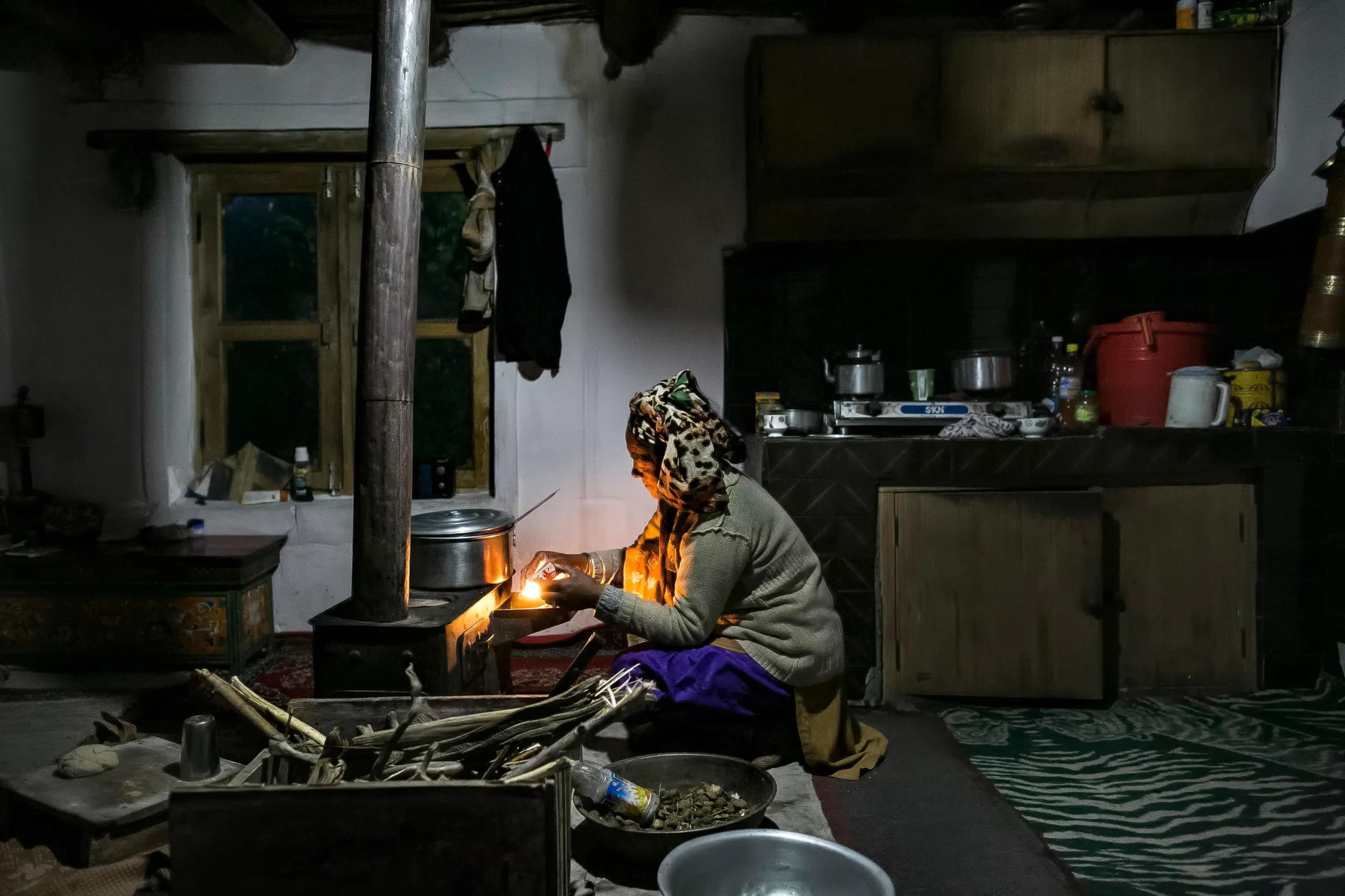
UN Validates First Paris Agreement Article 6.4 Credits for Myanmar Improved Cookstoves
Key Takeaways
- First Article 6.4 credits issued under a UN mechanism face scrutiny.
- Civil society groups allege human rights abuses by Myanmar's military junta and overstated climate impact.
- Civil society calls for suspension or investigation of Article 6.4 credits.
First credits, immediate scrutiny
The United Nations has validated the first carbon credits issued under the Paris Agreement’s new mechanism, with an improved cookstoves project in Myanmar approved to issue around 650,000 carbon credits from the Article 6.4 Supervisory Body in February.
“Editing:Megan Rowling Civil society groups have called for an investigation into the first carbon credits approved under a new UN mechanism, alleging that the project is linked to Myanmar’s military junta - which the UN says is guilty of human rights abuses - and has “massively” overstated its climate impact”
ESG News.earth says civil society organisations allege governance failures, human rights risks and overstated emissions reductions in the first issued Article 6.4 credits in February 2026, and that a report published on 11 June 2026 urged the Supervisory Body of the Paris Agreement Crediting Mechanism to suspend any further issuance, transfer or use of credits linked to the Myanmar project.
ESG News.earth reports that the project was implemented in partnership with the Climate Change Center of South Korea and Myanmar’s Ministry of Natural Resources and Environmental Conservation (MONREC), while Senego describes the inaugural project as involving the distribution of improved cookstoves in Myanmar that consume less wood and reduce pressure on local forests.
Senego quotes Simon Stiell, Executive Secretary of UN Climate Change, saying, "More than two billion people worldwide do not have access to clean cooking, which kills millions of people every year," as it frames the mechanism as accelerating greenhouse gas emissions reductions.
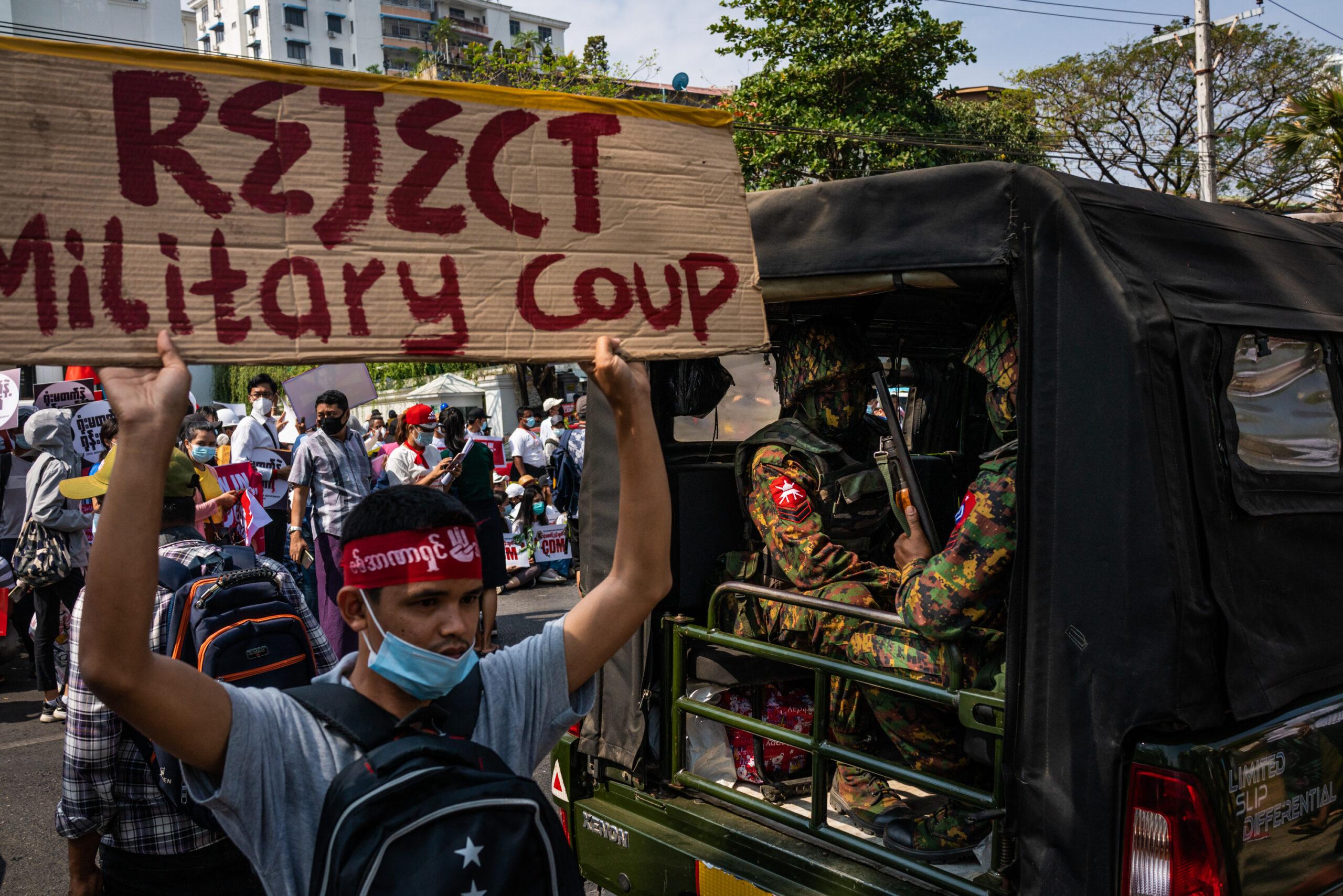
ESG News.earth adds that Zaw Tuseng, director of the Myanmar Policy Institute, said, "Due to ongoing armed conflict on the ground, the data currently used to justify carbon credit issuance in Sagaing by the Burmese military junta is unverifiable and highly likely fraudulent."
Competing claims and voices
Civil society groups have called for an investigation into the first carbon credits approved under the new UN mechanism, alleging the project is linked to Myanmar’s military junta and has “massively” overstated its climate impact, according to Climate Home News.
Climate Home News reports that the cookstove programme started in 2018 under the previous UN-run carbon offsetting scheme - the Clean Development Mechanism (CDM) - as a partnership between Myanmar’s Ministry of Natural Resources and Environmental Conservation (MONREC) and the Climate Change Center (CCC), a South Korean NGO.
ESG News.earth says the report’s authors urged an independent investigation into compliance with human rights, environmental, social and methodological standards, while also noting that the controversy lands as states and market participants convene in Bonn for UN climate negotiations.
Senego quotes Jacqui Ruesga, vice president of the UN body overseeing the mechanism, saying, "Our objective is to build trust in this market from the start, and this first issuance shows that the system is functioning as intended," as it argues the Paris Agreement Credit Mechanism applies stricter rules than previous schemes.
ESG News.earth quotes Kalpona Akter? No— it quotes Zaw Tuseng and Ma Nini Win, and it reports that Ma Nini Winof the Myanmar Policy Institute stressed the need for interventions that are locally accountable, conflict sensitive, and responsive to community realities.
What’s at stake next
ESG News.earth says the report produced by the Myanmar Policy Institute, Global Forest Coalition and South Korean NGO Plan 1.5 asserts that the project was implemented with MONREC and the Climate Change Center of South Korea, and it frames the allegations as raising material questions for corporate buyers, national regulators and market architects relying on Article 6 markets.
“This is a crucial first step for the global carbon market”
Climate Home News reports that the Global Forest Coalition report raised particular concerns about the project’s implementation in Myanmar's central Dry Zone, including Sagaing Region, an anti-junta resistance stronghold that has been most heavily affected by the conflict and routinely targeted by airstrikes and violent attacks.
Climate Home News adds that the region accounts for more than a third of Myanmar's 3.8 million internally displaced people, and it says the NGOs raised questions over the ability to effectively verify the climate integrity of the projects.
ESG News.earth says campaigners quoted in the report argue, "These credits must be revoked immediately, and the UN needs to seriously reassess its reliance on offsetting to meet climate goals," linking the dispute to broader concerns about offset reliance as a pathway to meet climate targets.
Senego describes the mechanism as designed to allow countries and companies to offset excess emissions by funding projects that reduce greenhouse gases in other nations, but it also notes that critics fear greenwashing if systems are poorly governed and that Greenpeace believes the rules leave loopholes allowing fossil fuel companies to continue polluting.
More on Technology and Science
G7 Leaders Discuss Ukraine, Middle East, China Supply Chains, and U.S. AI Export Controls
10 sources compared

Google Rolls Out Android 17 to Pixel Phones With Wear OS 7 Update
16 sources compared

Keir Starmer Announces U.K. Ban On Social Media For Children Under 16
12 sources compared

Mobileye Plans US Robotaxi Service With 100 Vehicles Starting 2027
11 sources compared