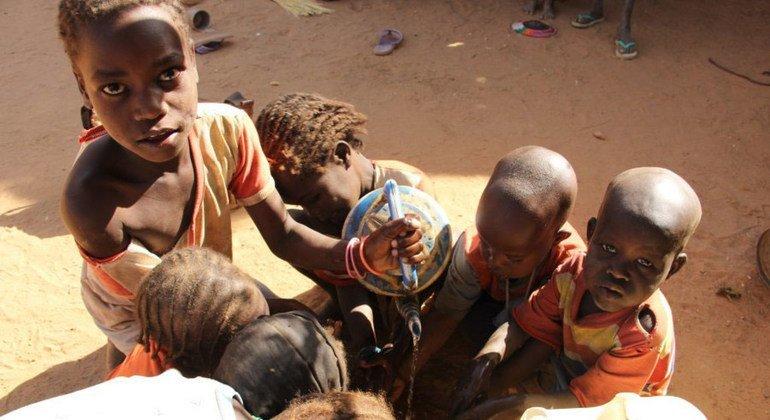
UN Warns Sudan Returnees Face New Struggle For Survival As Sudanese Army, RSF War Continues
Key Takeaways
- Nearly four million Sudanese have voluntarily returned to Khartoum and Al-Jazirah.
- Returnees face a new struggle for survival amid ongoing war and collapsing services.
- UN and IOM warn returnees at risk amid army-RSF fighting.
Returnees face new struggle
The United Nations says nearly 4 million people have voluntarily returned to their places of origin in Sudan, but the UN’s International Organisation for Migration (IOM) warns they still face a new “struggle for survival.”
“While they had found refuge in Egypt amid the war raging in their country, Sudanese refugees are returning home”
Al Jazeera reports that 3.99 million returnees have been counted, concentrated in Khartoum and the agricultural state of Al-Jazirah southeast of the capital, as the war between the Sudanese army and the paramilitary Rapid Support Forces (RSF) continues.
The UN’s International Organization for Migration says the conflict has killed tens of thousands and displaced millions since it erupted in April 2023, and that the war internally displaced nearly 12 million people as they fled areas like Gezira, Khartoum, and parts of Sennar and Kordofan.
Al Jazeera adds that more than four million fled to neighbouring countries, while farmers are returning to fields to find that irrigation systems and equipment have been destroyed.
IOM’s Sung Ah Lee says, “Many are returning because they believe security has improved,” and also that “Others are returning because life in displacement has become unbearable.”
She warns that return would prove unsustainable without “urgent investment to restore essential services and rebuild infrastructure and revive livelihoods.”
Al Jazeera further reports that IOM has been able to reach four million people in Sudan with humanitarian aid since 2023, but that “the scale of needs remains immense,” with nearly nine million people still internally displaced.
Timeline and infrastructure damage
The UN’s account of returns is tied to where the conflict has shifted and what people find when they arrive.
Al Jazeera says the war internally displaced nearly 12 million people as they fled areas like Gezira, Khartoum, and parts of Sennar and Kordofan, and that more than four million fled to neighbouring countries, while the IOM describes returnees facing destroyed communities and an urgent need for investment to rebuild basic infrastructure.

AL24 News similarly reports that between November 2024 and last month, 3.99 million people returned to their places of origin, especially Khartoum and the agricultural state of Al-Jazirah southeast of the capital, as the war moved on from Khartoum since the military retook it last year.
In AL24 News, IOM’s deputy director for management and reform Sung Ah Lee tells reporters in Geneva that “People want to rebuild. They want to return to their land, their homes, and their livelihoods,” while also saying “the reality many encounter upon arrival is stark … it is often the beginning of another struggle for survival”.
She points out that in Khartoum, many are returning to areas where homes and critical infrastructure, including water and electricity, had been heavily damaged.
AL24 News adds that more than two million additional people are expected to return to Khartoum this year alone, and that in Al Jazierah farmers were returning to fields where irrigation systems and equipment had been damaged, threatening food production and livelihoods.
Al Jazeera and AL24 News both stress the scale of need: Al Jazeera says nearly nine million people remain internally displaced, while AL24 News says IOM had been able to reach four million people in Sudan with humanitarian aid since 2023.
UNHCR returns from Chad
Beyond voluntary returns described by IOM, UNHCR is also facilitating repatriation from neighbouring countries, including Chad.
“The United Nations said Tuesday that nearly four million people had voluntarily returned to their places of origin in Sudan despite the ongoing civil war, warning they face stark challenges”
UN News reports that on Saturday, a group of 53 refugees left the Iridimi camp in eastern Chad and arrived at a reception center in Tina, in North Darfur, after a four-hour journey (70 kilometers) in buses chartered by UNHCR.
The UN News account says that upon their arrival in Sudan, the repatriated Sudanese spent two days in a reception center before proceeding to their final destinations, and that thousands more refugees are expected to voluntarily return to Sudan in the coming months.
UN News attributes the repatriations to a tripartite agreement on repatriation signed by UNHCR and the governments of Sudan and Chad in May of last year, and it quotes UNHCR spokesperson Andrej Mahecic reminding at a press briefing in Geneva: “The voluntary returns of these Sudanese refugees follow the signing of a tripartite agreement on repatriation by UNHCR and the governments of Sudan and Chad in May of last year,”.
UN News also says that before their return, refugee representatives visited their villages in Darfur before deciding to come back, and it quotes Mahecic stressing that UNHCR continues to record more refugee requests indicating their intention to return to Sudan.
The UN News piece places the returns in the longer arc of the Darfur conflict, saying the war that broke out in February 2003 in Darfur has killed tens of thousands of people and displaced millions within Sudan and beyond its borders, and that the repatriated refugees fled Darfur in 2003 and 2004.
It also notes that UNHCR helped approximately 1,500 refugees return to South Darfur from the Central African Republic through an air operation in December 2017.
Egypt returns and coordination
Other reporting shows Sudanese refugees returning from Egypt, where Egypt has offered free train travel and where Sudanese institutions are involved in organizing voluntary return.
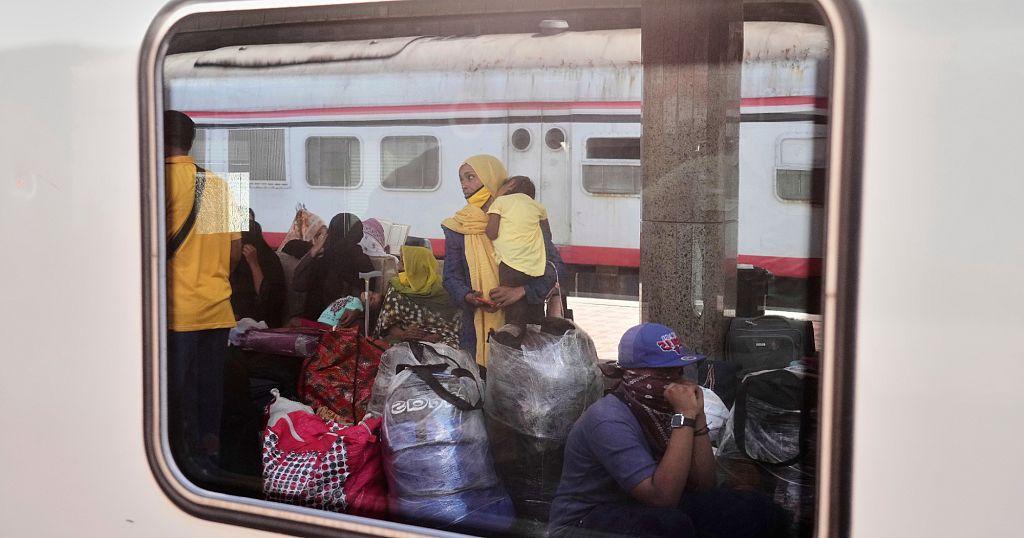
Africanews says that while they had found refuge in Egypt amid the war raging in their country, Sudanese refugees are returning home, and it reports that hundreds of them boarded trains on Monday at Cairo's central station bound for Khartoum, the Sudanese capital controlled by the Sudanese army.

Africanews adds that train travel is offered free of charge by Egypt, and it describes returnees leaving Egypt with sadness as they go back to Sudan.
The outlet says the return is organized with Sudanese institutions represented by the Military Industry Corporation, and it quotes a journalist who is a candidate for voluntary return describing “high-level coordination and planning with the Egyptian authorities.”
Africanews also frames the conflict timeline by saying that since April 2023, Sudan has been plagued by the war between the paramilitary forces of General Hamdan Daglo and the army led by General al-Burhan.
It includes a quote from Awatif al-Hassan, a candidate for return: “We came to Egypt to stay here, and my daughter is with me. Now I am returning to Sudan. We heard about this initiative and our family brought us here, thank God,”.
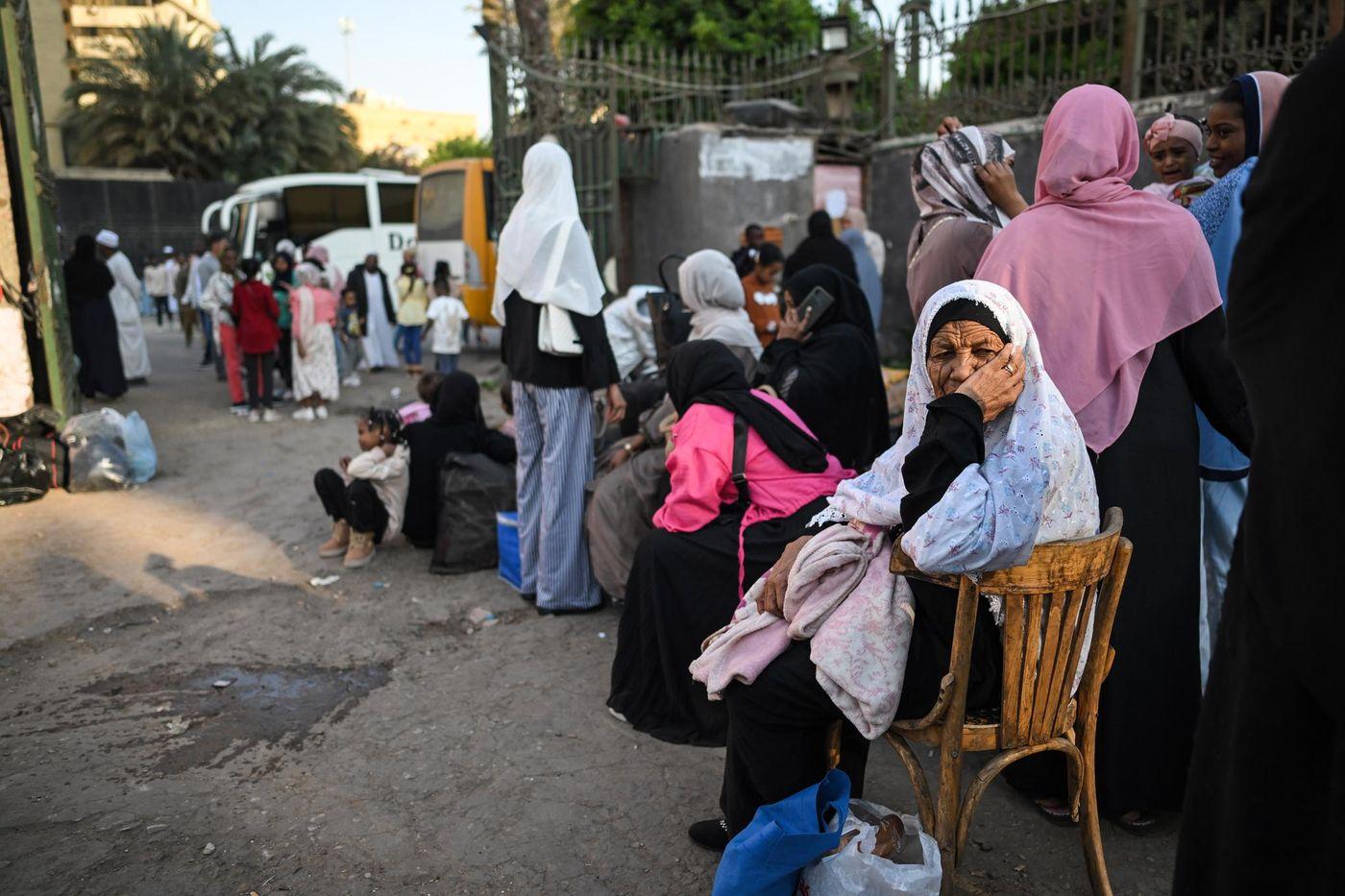
La Croix provides a more personal scene from Egypt, describing a 54-year-old Sudanese woman, Sawsa Mohamad Taher, keeping vigil with her mother and her two daughters on the parking lot of Baragil bus station, northwest of Cairo.
What comes next for returnees
Across the UN and media accounts, the next phase of returns is portrayed as conditional on security and on whether essential services can be restored, with funding and infrastructure repeatedly highlighted.
“Stretching out on a plastic mat laid directly on the sidewalk, Sawsa Mohamad Taher had taken the lead”
Al Jazeera says returnees are going back to find destroyed communities and an urgent need for investment to rebuild basic infrastructure, and it quotes IOM’s Sung Ah Lee warning that return would prove unsustainable without “urgent investment to restore essential services and rebuild infrastructure and revive livelihoods.”
AL24 News similarly says that “the reality many encounter upon arrival is stark … it is often the beginning of another struggle for survival,” and it adds that more than two million additional people are expected to return to Khartoum this year alone.
The same outlet emphasizes that in Khartoum many are returning to areas where homes and critical infrastructure, including water and electricity, had been heavily damaged, while in Al Jazierah irrigation systems and equipment had been damaged, threatening food production and livelihoods.
Al Jazeera links these conditions to food insecurity by saying that farmers are returning to their fields to find irrigation systems and equipment destroyed, leaving food production at breaking point, and it reports that millions of people in Sudan are surviving on just one meal a day according to NGOs.
UN News adds that UNHCR continues to record more refugee requests indicating their intention to return to Sudan as security conditions in Darfur improve, and it notes that repatriated refugees receive transport assistance and a return parcel with three months of food rations supplied by the World Food Programme (WFP).
Africanews, meanwhile, reports that IOM says repatriations from Egypt involve more than 30,000 people per month in 2025 compared with 3,500 per month in 2024, suggesting a rising flow even as returnees face the “struggle for survival” described by IOM.
More on Sudan
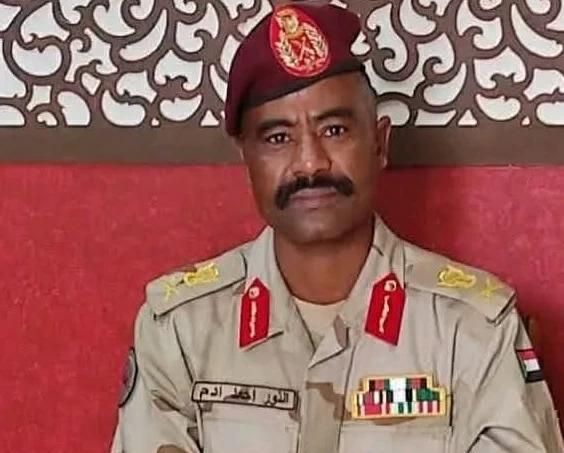
Abdel Fattah al-Burhan Welcomes Noor al-Quba’s Defection From RSF to Sudanese Army
15 sources compared

IGAD Envoy Lawrence Korbandy Says Quintet Will Convene Sudan Meetings Next Month
11 sources compared
Sudan’s Army Seizes Central Bank And General Intelligence Service In Khartoum
10 sources compared

International Court Rejects Sudan's Genocide Case Against United Arab Emirates
11 sources compared