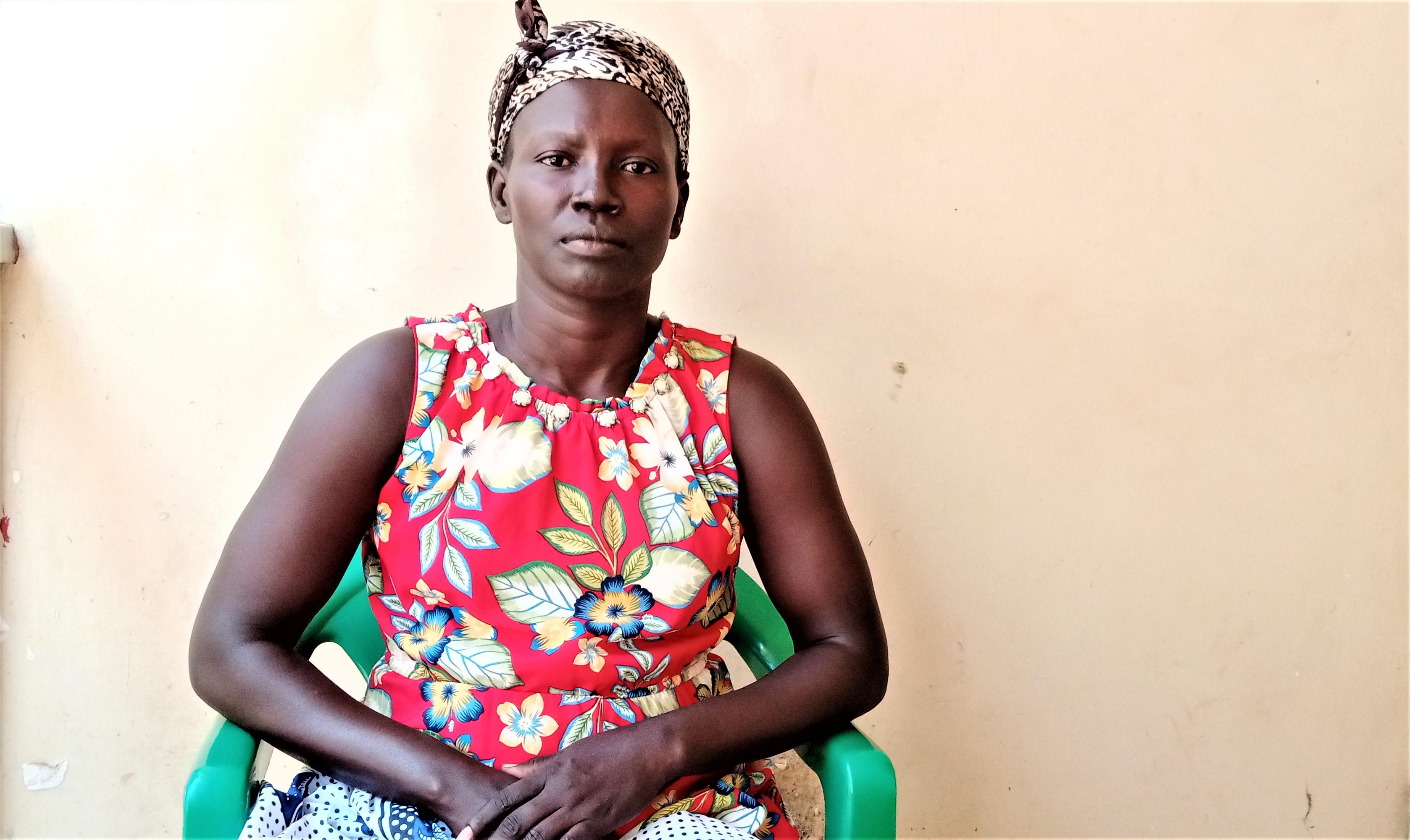
UNFPA Delivers Three-Wheeled Ambulance To Women In Damazin, Sudan For Fistula Care
Key Takeaways
- Obstetric fistula remains a preventable health issue in Sudan, causing chronic incontinence and exclusion.
- Global campaigns aim to eradicate obstetric fistula within a generation, with increased investments.
- Reproductive health services in Sudan are expanding to support fistula care and women.
Tuk-tuk for care
In Damazin, Sudan, Farina*, 50 years old, said she no longer remembers when she developed an obstetric fistula after obstructed labor, and she told UNFPA at Damazin Maternity Hospital, “Today, I feel comfortable with my daily activities.”
“As the United Nations marks the International Day to End Obstetric Fistula today, May 23, experts and aid workers on the ground in Sudan warn that the global conversation is missing a graver and more urgent dimension: the traumatic fistulas inflicted by the epidemic of sexual violence accompanying Sudan’s war”
UNFPA said last week its Director Dr. Natalia Kanem visited Damazin to hand over to a local group of women a brand-new three-wheeled ambulance (a tuk-tuk) to transport women in need to Damazin Maternity.
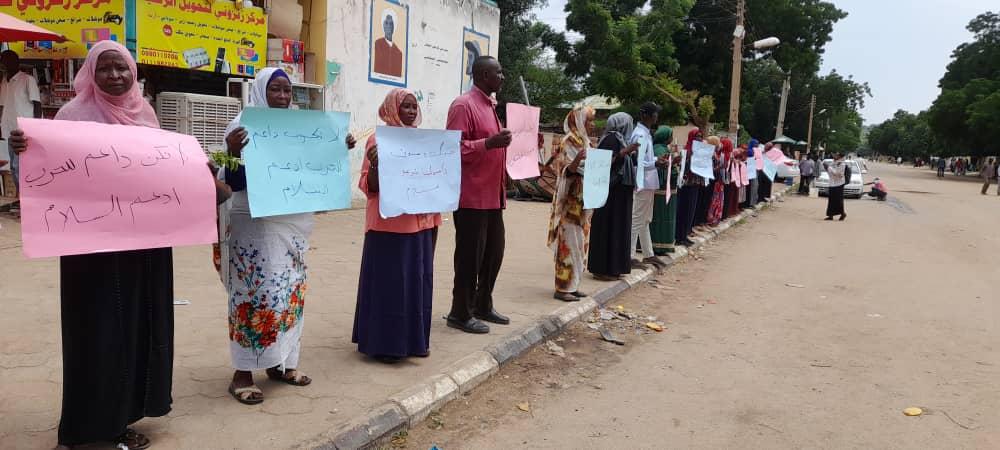
UNFPA reported that the tuk-tuk ambulance is one of 42 that will soon be in service across Sudan through a partnership between the United Nations Central Emergency Fund and UNFPA, which also supports obstetric fistula repair surgery at the maternity hospital.
UNFPA added that maternal deaths in Blue Nile are “both very high (about 116 deaths per 100,000 live births) and underreported,” and it said the aid helped, among other things, 4,000 medically assisted births and training of hundreds of healthcare workers last year in the region.
UNFPA quoted a regional sheikh at the inauguration saying, “I assure you that the group of women will be solely responsible for the tuk-tuk. They are the ones who command,” as Dr. Kanem met officials including Abdalla Hamdok, the Prime Minister, and Dr. Mariam Al-Mahdi, Minister of Foreign Affairs.
Global push, Sudan focus
The UN marked the International Day for the Elimination of Obstetric Fistula on May 23, and UN News said the UN calls for the eradication of obstetric fistula within a generation.
UN News quoted Ban Ki-moon saying, “By linking the momentum created by the Sustainable Development Goals to a firm political will, to a doubling of investments and initiatives,” to reach the goal.
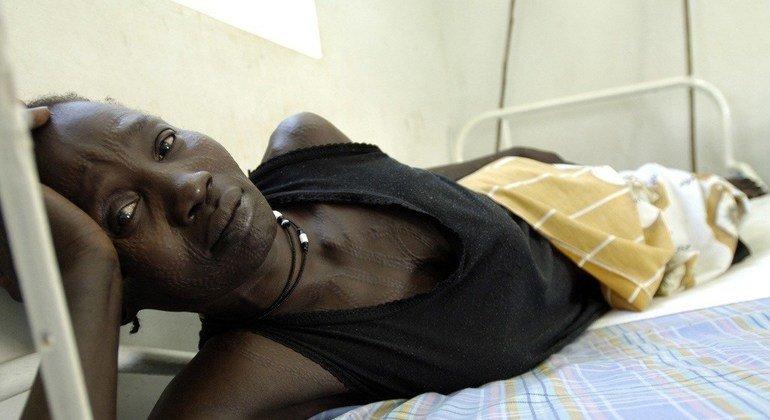
UN News described obstetric fistula as a perforation between the vagina and the bladder or rectum caused by prolonged obstructed labor in the absence of obstetric care, leading to chronic incontinence and long periods without treatment.
In Sudan, Radio Dabanga said experts and aid workers warn that the global conversation is missing a graver and more urgent dimension: “the traumatic fistulas inflicted by the epidemic of sexual violence accompanying Sudan’s war.”
Radio Dabanga reported that Prof Eric Reeves, a Sudan scholar and founder of Team Zamzam, told Radio Dabanga that “not one of them has an obstetric fistula,” and that every case in the Tina area on the Chad-Sudan border is traumatic.
War erases care networks
Radio Dabanga said traumatic fistula is caused by sexual violence, including rape and penetration with objects, and it described how women in conflict zones are far less likely to be anywhere near a functioning medical facility.
“DAMAZIN, Sudan – Farina*, 50 years old, lives in Blue Nile state in Sudan, and she no longer remembers the time when she developed an obstetric fistula – a childbirth-related injury that causes chronic incontinence, infections, and often leads to exclusion by the community”
Radio Dabanga quoted Prof Eric Reeves saying, “Those who are suffering from traumatic fistula are in places like Zamzam where there was nothing, or in rural villages that have been overrun where there’s no medical attention,” as hundreds of women were waiting for fistula surgery in the Tina area on the Chad-Sudan border.
The same source said the country’s specialized networks for fistula care have been erased, including the bombing of El Dayat Maternity Hospital for Obstetrics and Gynecology in Omdurman in 2024 by the Rapid Support Forces (RSF), shutting down life-saving surgeries.
Radio Dabanga reported that the fall of El Fasher in late 2025 was accompanied by mass rape and that the Saudi Maternity Hospital in El Fasher sustained a brutal attack by the RSF, with approximately 460 people killed inside, many of them patients.
Radio Dabanga added that Team Zamzam has facilitated more than 90 fistula surgeries since its founding, and Reeves said, “There is a reluctance to come to terms with the reality of rape in Darfur and elsewhere in Sudan with the expansion of the war by the RSF. To treat traumatic fistula is to come face-to-face with the consequences of a demonic violence.”
More on Sudan

Sudan Gold Mine Collapse Kills 15 Miners At Mohamed Tawfiq Mine Near Egyptian Border
11 sources compared

Qatar Airways Launches First Port Sudan Flights From Doha With Airbus A320
10 sources compared

Rapid Support Forces Impose Siege Conditions, Intensify Drone Strikes on El Obeid, Sudan
18 sources compared
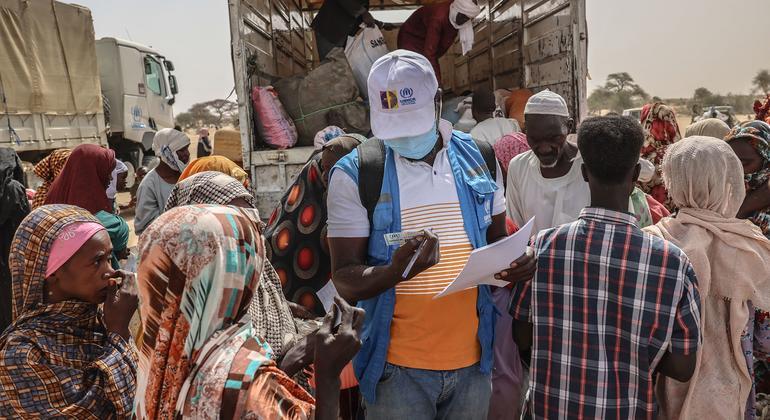
Amnesty Accuses Sudan’s RSF of Crimes Against Humanity and Ethnic Cleansing in El Fasher
21 sources compared