Yemenupdated 1h ago2 min read
UNHCR Says Yemen Fighting Displaced 250,000, With Taiz Road Blockade Constraining Aid
This article is an automated aggregation of coverage from news outlets. Our editorials offer in-depth analysis curated by the NewsCord team.
Over 250,000 displaced in Yemen since July fighting, with Taiz at center. Taiz road closures block vital supplies, hindering humanitarian aid.
Taiz displacement surge
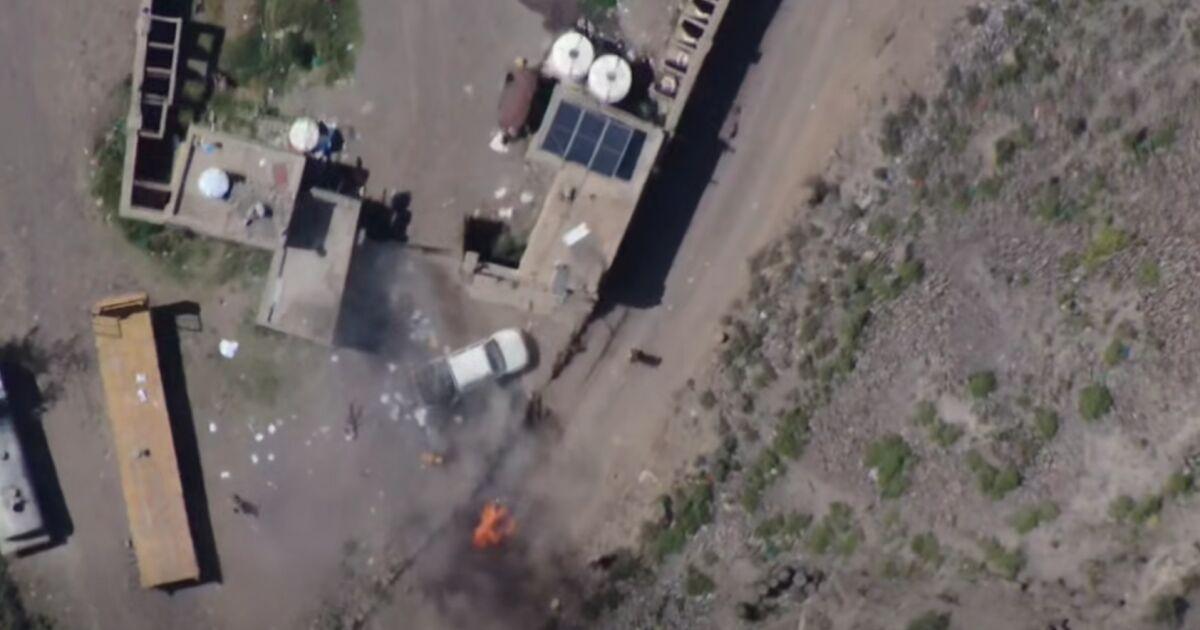
UNHCR said more than 250,000 people have been internally displaced in Yemen since the country’s war reignited in July, as fighting between Houthi rebels and forces loyal to the internationally recognised government rages across several fronts. UNHCR said the city of Taiz in southwestern Yemen accounts for 76 percent of departures and hosts 52 percent of those newly displaced. UNHCR said “Shelling intensified in Taiz, including in residential areas and around health facilities, while insecurity and restrictions along key routes continue to constrain humanitarian access and movement,” and the agency warned that shelter needs remain acute.
UNHCR said about 33,700 families still require shelter assistance amid severe underfunding of the humanitarian response to the war, and the agency linked the displacement pressure to the road blockade around Taiz. UNICEF said escalating fighting and fuel shortages in Taiz are threatening its water systems that serve an estimated three million people, including at least 1.6 million children.

Road closures and water
Stephane Dujarric told a news conference that “road closures and insecurity are preventing vital supplies, including fuel, from entering the city and surrounding areas, leaving millions of people at risk of losing access to essential goods and services.” Dujarric said the situation in Taiz “is deteriorating,” and he stressed that “humanitarian efforts cannot meet these needs if essential supplies are prevented from reaching the city.” UNHCR said the Houthis have encircled Taiz since early October, blocking the road that links it to Aden, the interim capital of the Saudi-backed internationally recognised government.
Akhil Iyer said in Geneva that “Already one of Yemen's most water-scarce areas, Taiz is now facing renewed pressure on its most essential services for thousands of displaced families.” UNICEF said diesel shortages threaten to bring water pumps to a halt, and it said the cost of trucked water has tripled since the latest escalation.

Taiz fighting and missile threats
Colonel Majed Abdullah Al-Nizily said Yemeni government forces repelled Houthi attacks on the Shuqab, Al-Masrah, and Al-Aqrood fronts south of Taiz, and he said confrontations and air raids reached 98 killed and 148 wounded among the group. Al-Nizily said the armed forces conducted 744 precise and direct targeting operations against the Houthis in the past 24 hours, using combat aircraft, drones, field artillery, multiple launch rocket systems, and sniper units across the country’s fronts. Yihya Sariq, the military spokesperson for the Houthis, accused Saudi Arabia of conducting 93 airstrikes and missiles in the last 24 hours targeting sites in provinces including al-Jawf, Taiz, Saada, Marib, Hajja, Lahij, Amran, and Ibb.
Major General Turki Al-Maliki said the Coalition to Support Legitimacy in Yemen intercepted and destroyed a drone over the Riyadh area and announced the interception and destruction of a ballistic missile fired by the Houthis toward Riyadh. UNHCR said retaliatory strikes by government forces near Taiz followed a Houthi ballistic missile strike on a military training camp in Shabwa, raising further concerns over the worsening humanitarian crisis in Yemen.