Business · 03 May, 2026 · 3 min read
United Arab Emirates Withdraws From OPEC And OPEC+ Starting May 1
UAE withdraws from OPEC and OPEC+ effective May 1, 2026. Surprise decision framed as national interest after six decades in OPEC.
Motivation behind UAE exit from OPEC/OPEC+.
6 of 7 outlets skipped it: japan receives over 790,000 bpd of UAE oil..
13outlets compared
Same story, two versions
tap a side to read it in full
France 24
“a blow... at a time when the war in Iran has triggered a historic energy shock”Read the original ↗
One frames it as commercial strategy; another stresses geopolitical shock context.
UAE exits OPEC
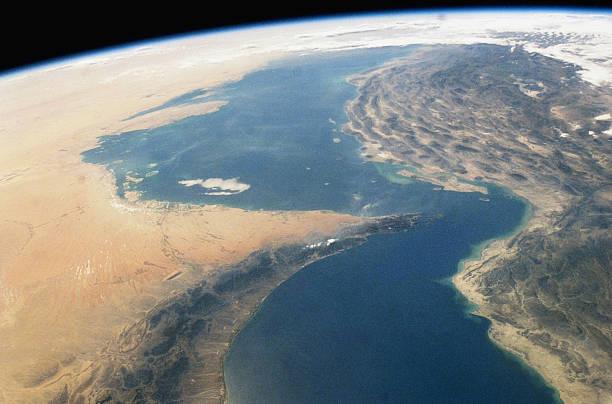
The United Arab Emirates announced its withdrawal from the Organization of the Petroleum Exporting Countries (OPEC) and from the OPEC+ alliance, with the decision to take effect on May 1, in a move described as a notable shift after nearly six decades of membership. The BBC reported that the step is seen as “the beginning of the end for OPEC,” citing analysts’ concerns about cohesion and the alliance’s ability to manage markets. The Emirates News Agency said the decision followed an “extensive review” of production policies and the state’s current and future capacities in light of “national interest,” while also pointing to geopolitical volatility including disruptions in the Arabian Gulf and the Strait of Hormuz.
OPEC data cited by the BBC put UAE production at around 2.9 million barrels of oil, compared with about 9 million barrels produced by Saudi Arabia, described as the de facto leader of the organization. The BBC also said the UAE stressed it would continue its responsible role by gradually and prudently increasing production in line with demand and market conditions, while affirming the decision “does not alter its commitment to global market stability.”
Energy, prices, and rivals
France 24 said the UAE’s withdrawal, announced on Tuesday, April 28, is led by Riyadh and could weaken OPEC’s ability to present a united front despite internal disagreements on geopolitics and production quotas. FFrance 24 linked the timing to the war in Iran, saying the Gulf oil producers within OPEC have trouble delivering exports through the Strait of Hormuz, which it said was effectively closed by Iran shortly after the war launched by the United States and Israel on February 28. FIn a separate analysis, Radio France said the UAE’s exit removes it from production quotas and gives it the ability to produce as much oil as it wants, framing the move as a bet on the future once the Strait of Hormuz is reopened.
Radio France’s Homayoun Falakshahi said the objective for Abu Dhabi is to extract more revenue from its oil, and he added that crude prices “should remain high for some time” because of the war in the Middle East. The same Radio France segment described a diplomatic rivalry with Saudi Arabia, saying Riyadh’s influence could diminish if the UAE takes decisions contrary to OPEC, and it tied the shift to the UAE being “the country most affected by Iranian attacks.”
What comes next
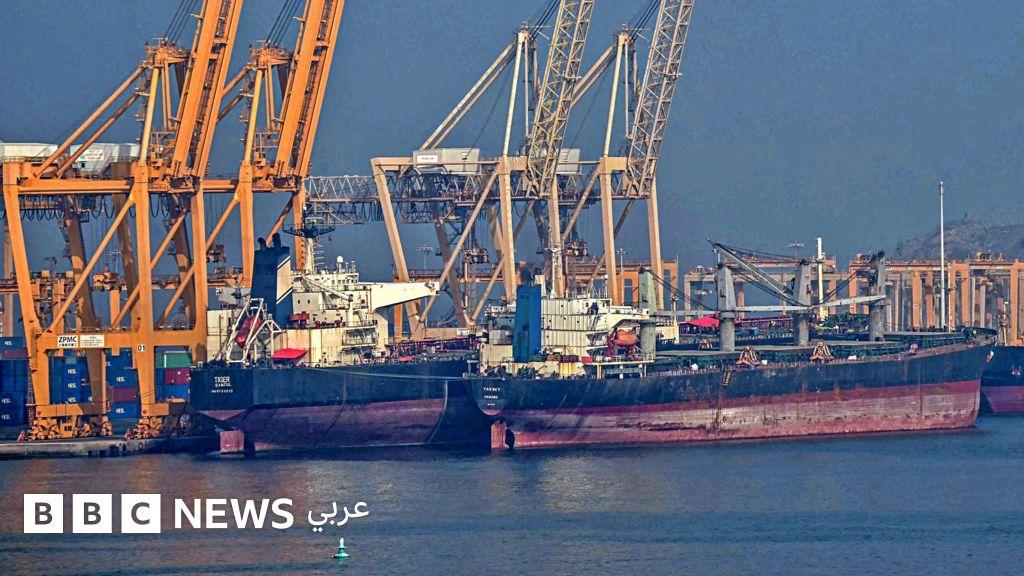
The Al Bayan analysis said the UAE’s withdrawal took effect on May 1 and argued the move would let the UAE maximize production capacity by pumping more oil into global markets, which it said would place Asian consuming countries in front of abundant supplies and create broader options for energy at competitive prices. It also said the UAE’s supply abundance would contribute to lower prices and stabilization, and it cited 2024 data showing Japan receiving more than 790,000 barrels per day of UAE oil, followed by China with an average above 600,000 barrels per day, India above 360,000 barrels per day, and Thailand and South Korea each averaging around 250,000 barrels per day. In the same framing of consequences, Al Bayan said the UAE could open opportunities for long-term direct bilateral oil deals with major Asian buyers such as Japan, China, India, and South Korea, and it added that shipments could come directly from the Fujairah port on the Arabian Sea without passing through the Strait of Hormuz.
The BBC reported that the UAE’s exit grants it greater flexibility in setting production levels away from quota commitments, and it quoted Sol Kafonik, Head of Energy Research at MST Financial, warning that OPEC could lose about 15 percent of its production capacity. The BBC also said the UAE expressed appreciation for OPEC and OPEC+ efforts but considered “the time has come” to focus on national priorities and commitments to partners and investors and market needs, even as it stressed it would continue to enhance its ability to respond to changes.