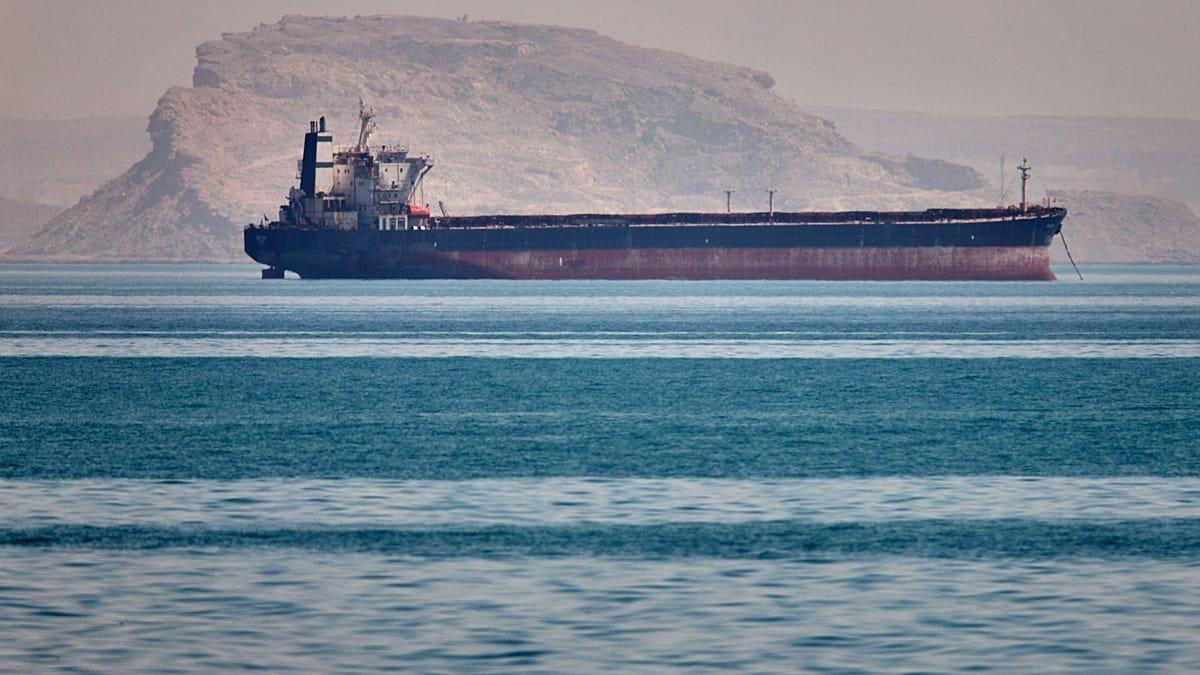
United States And Iran Exchange Fire In Strait Of Hormuz As Trump Awaits Response
Key Takeaways
- A naval clash occurred in the Strait of Hormuz between U.S. and Iranian forces.
- Iran attacked U.S. Navy ships with missiles, drones, and small boats.
- The United States struck two Iranian-flagged oil tankers.
Ceasefire tested in Hormuz
The United States and Iran exchanged fire in the Strait of Hormuz as Washington awaited Iran’s response to a US proposal to stop the fighting while leaving issues such as Iran’s nuclear program unresolved for now.
“The United States and Iran exchanged fire on Thursday in the most serious test yet of their month-long ceasefire, but Iran said the situation returned to normal while the US said it did not want to escalate”
Iran’s military said the US targeted two ships entering the Strait of Hormuz and carried out strikes on Iranian territory, while the US military said it fired in response to Iranian attacks.
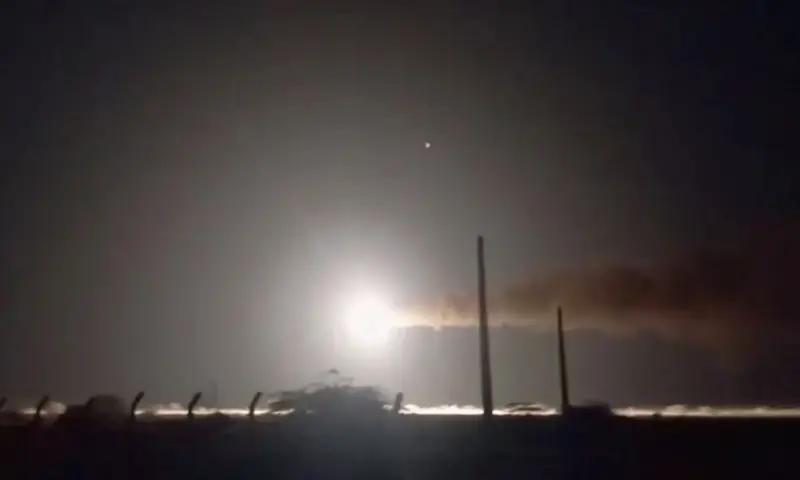
BBC reported that Trump said Iran “trifled with us today” while Iran’s top military command alleged the US had targeted an Iranian oil tanker and another vessel approaching the Strait of Hormuz and carried out “aerial attacks” on coastal areas including Bandar Khamir, Sirik and Qeshm Island.
The flare-up followed a day after Iran’s foreign ministry said it was considering a US proposal, and the BBC said the UAE Ministry of Defence later reported its air defences were “actively engaging” with a missile and drone attack from Iran, resulting in three “moderate injuries.”
Diplomacy questioned, threats traded
Iran’s Foreign Minister Abbas Araghchi told Turkish Foreign Minister Hakan Fidan that US naval escalation in the Gulf deepened doubts about Washington’s commitment to diplomacy and efforts to end the war, accusing the US of repeatedly violating the ceasefire.
In a call reported by Iran’s Tasnim News Agency, Araghchi said the “provocative” US actions in the Persian Gulf and “offensive rhetoric” by senior American officials increased Iranian suspicions about US intentions.

France 24 said Iran kept Washington waiting for a response to its latest negotiating position after Trump said on Friday he was expecting Iran’s answer “supposedly tonight,” while Iran questioned the reliability of US leadership in the call with Araghchi.
France 24 also reported that Trump told French broadcaster LCI’s Margot Haddad he still expected to find out Iran’s answer “very soon,” even as the US and Iran traded accusations over ceasefire violations in the Strait of Hormuz.
Strikes, tankers, and UN pressure
The clash included US action against Iranian-flagged tankers, with France 24 saying a US fighter jet fired on and disabled two Iranian-flagged tankers that Washington accused of challenging its blockade of Iran’s ports.
“Iranian Foreign Minister Abbas Araqchi said recent US violations of the ceasefire and provocative actions in the Persian Gulf have increased suspicions about Washington’s motives and seriousness in pursuing diplomacy”
Iran’s Ambassador to the UN, Amir Saeed Iravani, condemned the US actions in a letter to UN Secretary-General Antonio Guterres, saying the attacks on two Iranian oil tankers near the port of Jask and the Strait of Hormuz “constitute a clear violation of the April 8, 2026 ceasefire”.
France 24 added that an oil slick was spreading off the coast of Iran’s Kharg Island, a key oil export terminal, and said global monitor Orbital EOS reported it appeared to cover more than 20 square miles (52 square kilometres).
Meanwhile, a UN Security Council draft resolution to hold Iran accountable for closing the Strait of Hormuz was proposed, and the draft text described Iran’s actions as threats to international peace and security while calling on Iran to stop attacks immediately and disclose mine locations.
More on Iran

Marco Rubio Says U.S. Awaits Iran Response On Interim Ceasefire As Strait of Hormuz Sees Calm
10 sources compared
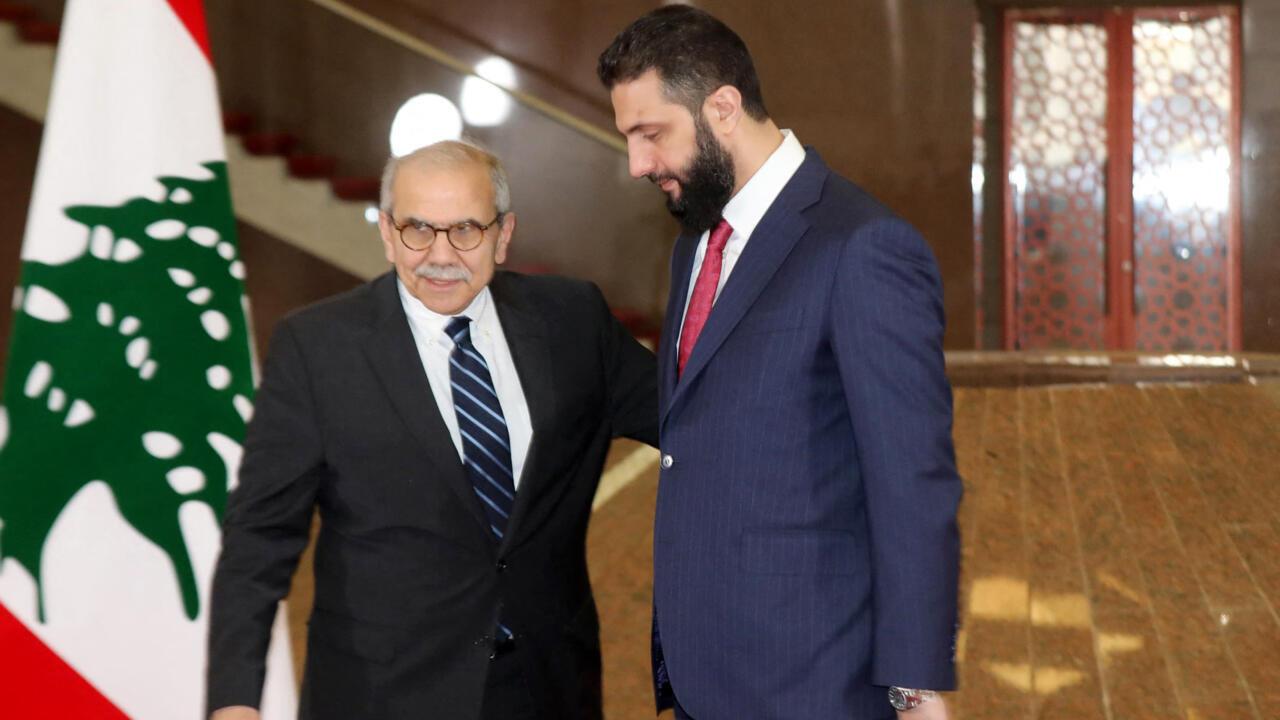
Nawaf Salam Meets Ahmed al-Sharaa in Damascus, Says Significant Progress on Security and Transport
24 sources compared

US Intelligence Says Mojtaba Khamenei Shapes Iran’s War Strategy and Negotiations With Washington
16 sources compared
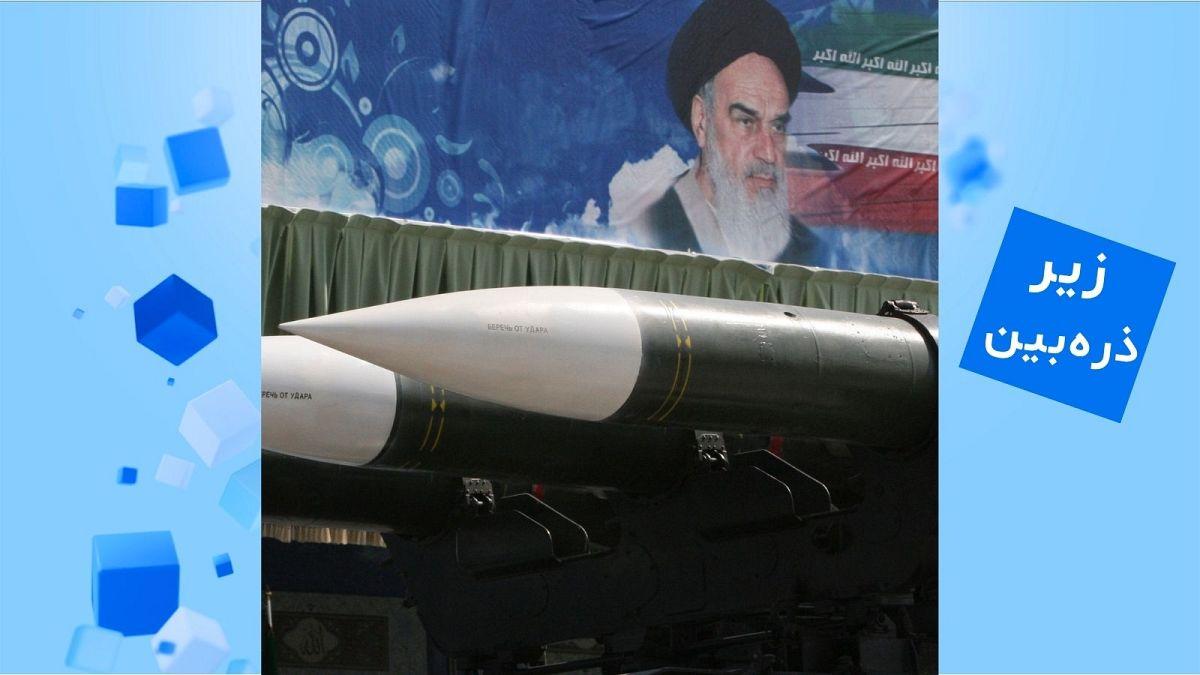
Joe Kent Says U.S. Intelligence Agreed Iran Was Not Developing Nuclear Weapons
12 sources compared