Ukraine War31 October, 20253 min read
United States Cancels Trump-Putin Summit After Russia Demands Territorial Concessions in Ukraine
United States canceled Trump-Putin summit after Russia issued uncompromising Ukraine demands. Russia’s demands included territorial concessions and strict ceasefire terms in Ukraine conflict.

23 outlets told this the same way.
Outlets did split on Russian Attack Kills At Least 33 On Two Buses In Kramatorsk →
US-Russia Summit Cancellation
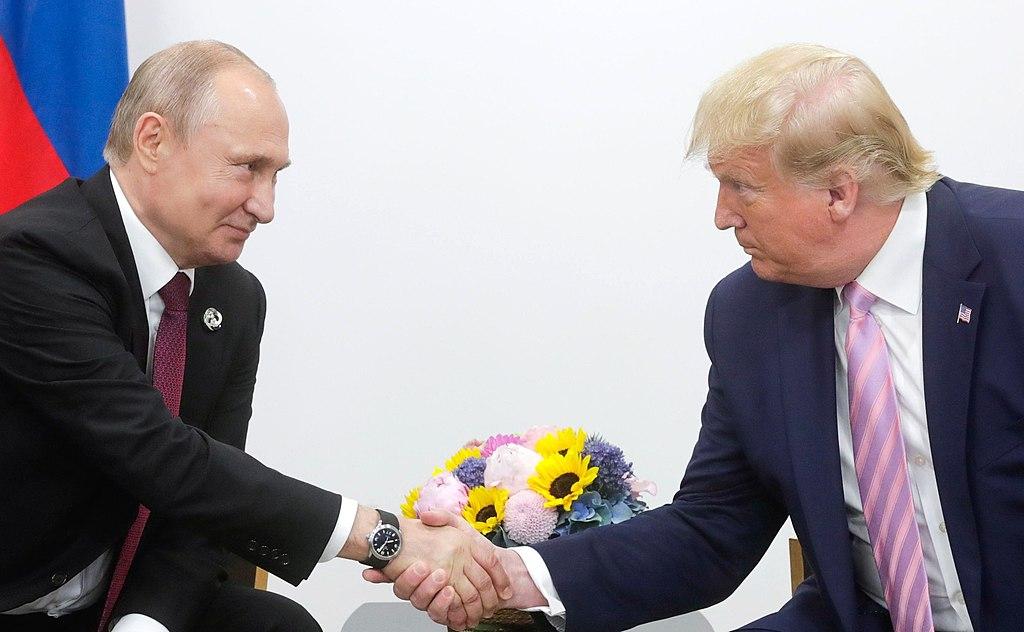
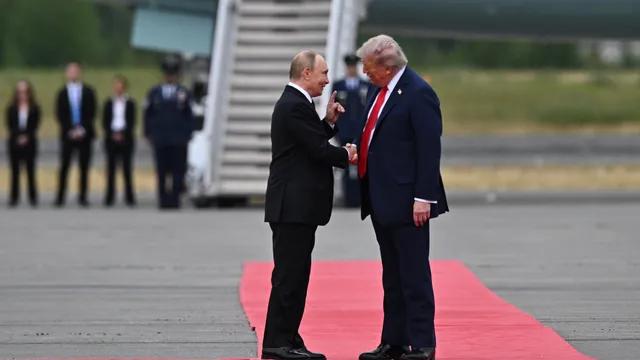
The United States canceled a planned summit in Budapest between President Donald Trump and Russian President Vladimir Putin.
“The United States has canceled a planned summit in Budapest between President Donald Trump and Russian President Vladimir Putin after Russia reiterated strict demands to end the war in Ukraine.”
The cancellation followed Moscow's reiteration of strict preconditions for a Ukraine ceasefire, including territorial concessions and a pledge that Kyiv would never join NATO.

Multiple outlets report the decision came after a tense call between Russian Foreign Minister Sergey Lavrov and U.S. Secretary of State Marco Rubio.
After the call, Rubio informed Trump that Moscow was unwilling to negotiate or compromise.
Several sources attribute the initial report to the Financial Times and note that neither the White House nor Russian officials have issued an official statement.
Some coverage describes the event as a cancellation, while others call it a postponement, reflecting uncertainty about the next diplomatic steps.
Ukraine Conflict Negotiation Positions
Several sources detail Russia’s preconditions as maximalist and unacceptable to Washington. These demands include Ukraine ceding more territory, significantly reducing its military, and guaranteeing it would never join NATO. Some reports add that Moscow’s memo also sought sanctions relief and recognition of Russia’s territorial claims, broadening the scope beyond battlefield lines.
In contrast, Trump backed an immediate ceasefire along current front lines, which Kyiv has supported as a temporary step. President Volodymyr Zelensky said Ukraine is open to talks but will not withdraw troops or surrender additional territory under pressure.
Summit Cancellation Details
Accounts vary on the process and sourcing of the summit cancellation. Several outlets report that the cancellation occurred shortly after the summit was agreed upon. A tense call between Lavrov and Rubio, along with a Russian memo restating demands, influenced the decision.
“The decision followed a tense phone call between US Secretary of State Marco Rubio and Russian Foreign Minister Sergei Lavrov, during which Moscow showed no willingness to negotiate.”
Some reports provide preparatory details and timelines, including that Trump and Putin had agreed to meet within two weeks with Hungary as the venue. Their teams, led by Rubio and Lavrov, were coordinating the arrangements. Other sources note that Reuters had not confirmed the Financial Times report.
Neither Washington nor Moscow had issued any comments on the matter. A few reports add context about prior contacts, mentioning a previous meeting in Alaska and stalled progress since then.
Positions on Ukraine Conflict Talks
Positions diverge on how far each side is willing to go in negotiations. Multiple outlets report Kyiv’s openness to talks but refusal to withdraw from additional territory. Zelensky stresses the importance of peace without capitulation.
Several reports say Trump supported an immediate ceasefire along existing lines. Trump would only meet Putin if Moscow showed seriousness or if a concrete deal were close, reflecting a conditional U.S. stance.

Some coverage underscores that Washington opposes territorial concessions and backs Ukraine’s sovereignty. This stance reinforces the impasse that led to the summit being called off.
Implications of Episode Cancellation
Beyond the immediate cancellation, outlets sketch different implications. Minute Mirror notes the episode may affect future negotiations involving NATO, the EU, and other stakeholders. Novinite links the cancellation to broader escalations, including fresh U.S. sanctions on Rosneft and Lukoil, Trump’s announcement of resuming U.S. nuclear testing, a one-year trade pact with China, and Medvedev labeling the U.S. a clear adversary.
“The cancellation followed US sanctions on Russian oil companies Rosneft and Lukoil. ... Meanwhile, Trump announced the resumption of US nuclear testing and a one-year trade pact with China.”
Türkiye Today ties the decision to renewed Russian attacks and worsening relations. NewsX adds specificity that Russia’s ask included remaining parts of Donbas. EconoTimes underscores Washington’s conclusion that Moscow wasn’t serious, all pointing to a hardened diplomatic landscape.