United States Reinstates Iran Oil Sanctions After Strait of Hormuz Vessel Strikes
Key Takeaways
- U.S. reimposed Iran oil sanctions after tanker attacks near the Strait of Hormuz.
- Treasury revoked the oil sanctions waiver allowing Iranian oil sales.
- Officials say Iran's Hormuz actions will be met with consequences.
Sanctions snap back
The United States reinstated Iran oil sanctions after three commercial vessels were struck in the Strait of Hormuz on Monday and Tuesday, reversing sanctions relief that had been granted under a temporary ceasefire tied to negotiations over the regional conflict.
A US official said the Treasury Department’s Office of Foreign Assets Control would revoke the sanctions waivers following the attacks, and the sanctions had been suspended as part of a 60-day ceasefire accompanying talks aimed at ending the conflict.

The Hill reported that the Trump administration revoked a sanctions waiver that had allowed the sale of Iranian oil and petrochemicals, and that the new document said transactions authorized under the previous sanctions waiver would have to wind down by July 17.
The Hill also said the waiver it previously issued would have allowed sales of Iranian oil through Aug. 21, while CNBC reported the Treasury Department revoked its authorization of Iranian oil sales after the tanker attacks in or near Hormuz this week.
Ships hit, no casualties
In the Strait of Hormuz, the attacks hit at least three commercial ships, including a Qatari and a Saudi, and UKMTO raised the threat level from "significant" to "serious" after the attacks.
UKMTO said the tanker was hit on its port side while traveling southbound about 8 nautical miles (15 kilometers) east of Limah early Tuesday, and that the strike caused a fire but reported no casualties or environmental damage.
CNBC reported that a liquefied natural gas tanker, an oil supertanker and an unspecified third tanker came under attack in or near Hormuz on Tuesday, and that the threat to ships crossing Hormuz has increased to "severe" as hostile action by Iran is likely.
The Media Line identified one ship as the Al Rekayyat, a Qatari-owned LNG tanker, and said the Wall Street Journal reported that a missile struck the vessel’s engine room, sparking a fire with no casualties reported.
Pressure beyond oil
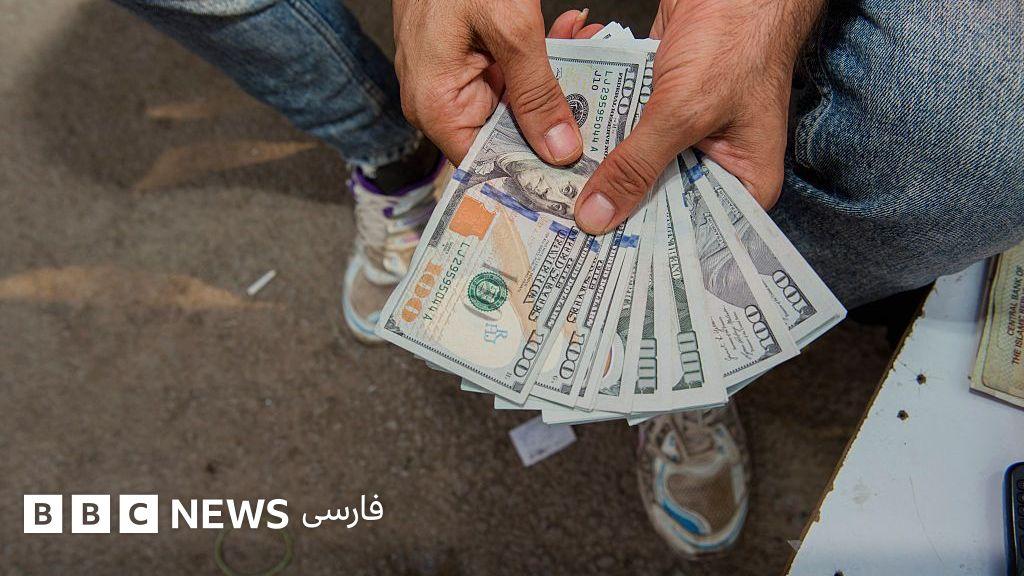
Beyond the Strait of Hormuz sanctions, the United States also sanctioned the transfer network of more than $100 million in cryptocurrency derived from Iran's oil sales, targeting two Iranian investors and more than twelve individuals and entities in Hong Kong and the United Arab Emirates.
Radio Farda reported that on Tuesday, 25 Shahrivar, the U.S. Treasury said two Iranian nationals named Alireza Derakhshan and Arash Esteki Alivand facilitated the purchase of more than $100 million in cryptocurrency arising from Iran's oil sales.
Radio Farda added that John K. Herli, the Deputy Secretary of the Treasury for Terrorism and Financial Intelligence, said the United States will "continue to disrupt these critical financial flows that fund Iran’s weapons programs and malign activities in the Middle East and beyond."
The same Radio Farda report said the United States used an executive order issued by President Donald Trump in February this year, called the ‘Presidential National Security Memorandum No. 2,’ to require that the United States ‘zero out Iran’s oil exports.’
More on USA

Trump Renews Bid for US Control of Greenland, Threatens Pulling All Troops From Europe
20 sources compared

Trump Says U.S. Will Lift Turkey Sanctions, Considers F-35 Sale After Erdogan Meeting
17 sources compared

Manhattan High-Rise Under Construction Buckles Columns, Forcing Evacuations Near Pfizer Headquarters
12 sources compared
Donald Trump Says The US Should Take Over Greenland At NATO Summit In Ankara
27 sources compared