Gaza Genocideupdated 1h ago2 min read
Archive photoUNRWA Says 84% of Gaza Residents Lack Access to Safe, Affordable Water
6 West Asian1 OtherPhoto: Jaber Jehad Badwan, CC BY-SA 4.0 · Cropped for layout
This article is an automated aggregation of coverage from news outlets. Our editorials offer in-depth analysis curated by the NewsCord team.
84% of Gaza Strip residents cannot access safe and affordable water. Water shortages stem from infrastructure destruction and restrictions on fuel and supplies.
Save coverage image
7 outlets in this story. Read their headlines below.
Outlets did split on Israeli Troops Open Fire on Hundreds Waiting for Flour Aid Near Gaza City →
UNRWA water access warning
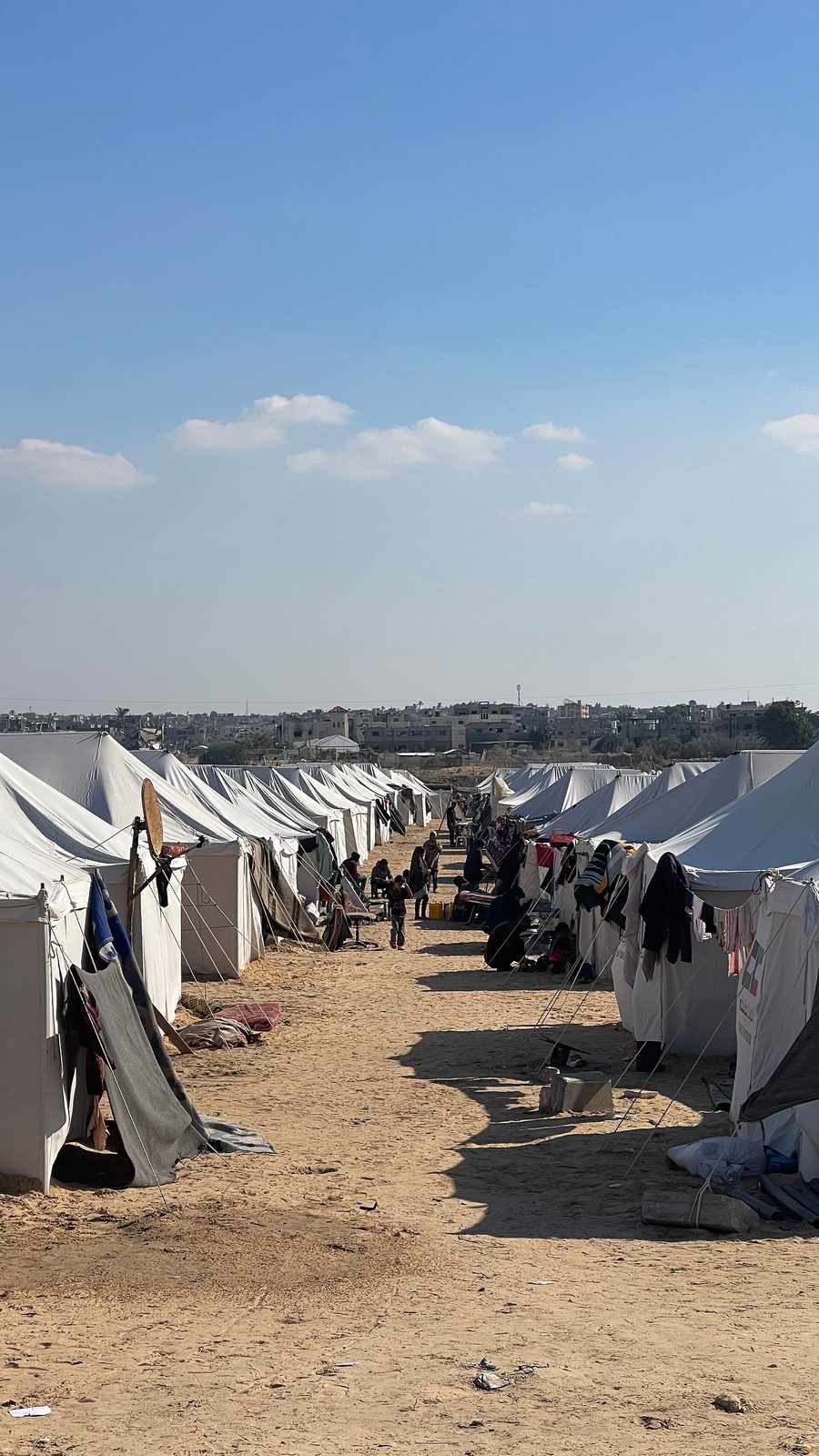
UNRWA said 84% of the population in the Gaza Strip lacks access to safe and affordable water, and it linked the shortage to health and environmental risks in overcrowded shelters and displacement camps. UNRWA said a large segment of Palestinians does not even receive the minimum amount of water required for survival, estimated at approximately 15 liters per person per day, for drinking, cooking, and personal hygiene.
UNRWA said it continues efforts to provide water by operating and maintaining wells and desalination systems, and by deploying water tanker trucks to displacement areas. UNRWA confirmed that it supplies millions of liters daily to more than 800,000 displaced people across the Gaza Strip, while warning that sustaining operations requires ongoing financial and logistical support amid severe fuel scarcity and shortages of essential supplies.
Health risks and lifeline
UNRWA said the water crisis is worsening in a way that presages serious humanitarian and health consequences, amid widespread destruction of water infrastructure and ongoing restrictions on the entry of fuel and necessary supplies. UNRWA said the shortfall compounds health and environmental risks, particularly in shelters and crowded displacement camps where demand rises as essential services deteriorate.
UNRWA emphasized that its water services are a lifeline for Palestinians, and it warned that continued provision requires sustainable financial and logistical support amid fuel shortages and shortages of essential supplies to operate water and wastewater facilities. UNRWA said the crisis’s consequences go beyond hardship in obtaining drinking water, placing hundreds of thousands at increasing health risk as the ability to provide water needed for personal hygiene and domestic use declines.
Fuel limits and service strain
UNRWA said it provides water by operating and maintaining water wells and desalination systems, and by distributing water tankers to displacement areas, while confirming it provides millions of liters daily to more than 800,000 displaced people across the Gaza Strip. UNRWA stressed that sustaining its water services requires ongoing financial and logistical support amid fuel shortages and a lack of necessary equipment to operate water and sanitation facilities.
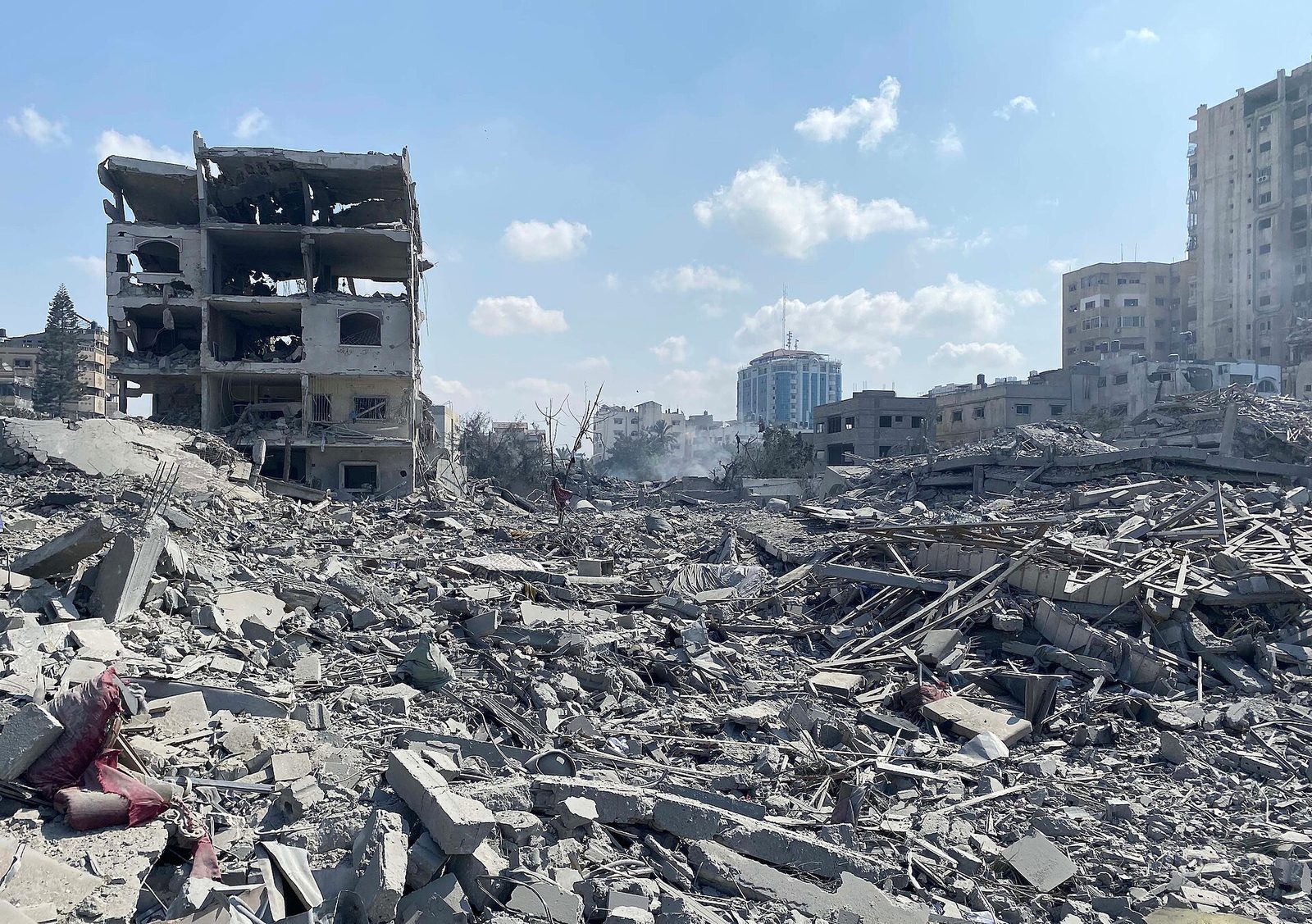
UNRWA said the Gaza Strip suffers extensive destruction affecting more than 85% of water and sanitation facilities due to the Israeli war, alongside stringent restrictions imposed by the occupation on the entry of fuel, spare parts, and equipment needed to repair networks and wells. UNRWA’s warnings tied the access gap to the minimum survival estimate of about 15 liters per person per day, which it said is needed for basic drinking, cooking, and personal hygiene.