Business26 October, 20252 min read
US and China Agree on Trade Deal Framework Ahead of Trump-Xi Summit
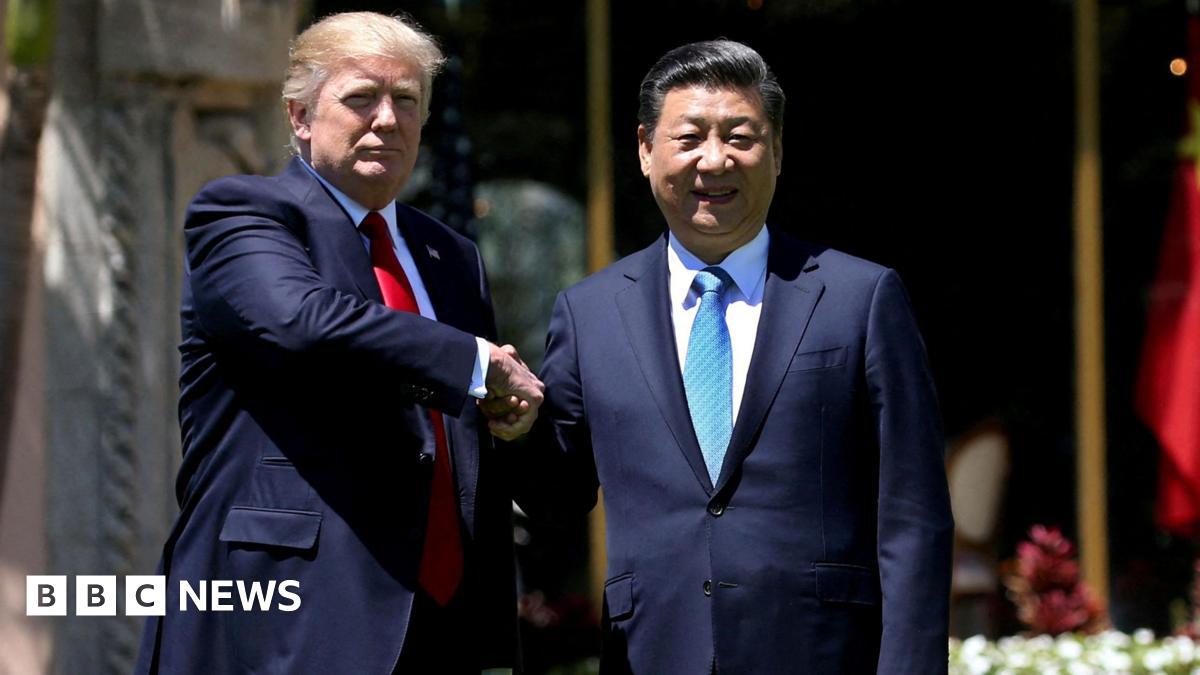
US and China agreed on a preliminary trade deal framework ahead of Trump-Xi summit. The deal includes deferring China's rare earth export controls and avoiding new 100% US tariffs.
48 outlets told this the same way.
Outlets did split on CATL Starts Trial Production at Debrecen Battery Cell Plant in Hungary →
US-China Trade Deal Progress
Top U.S. and Chinese negotiators say they have reached a preliminary “framework” or “basic consensus” for a trade deal after talks in Kuala Lumpur alongside the ASEAN summit. This agreement sets the stage for an expected Trump–Xi meeting in South Korea later this week. The framework aims to avert a threatened new round of 100% U.S. tariffs and to defer China’s tightened export controls on rare earth minerals.
“After two days of negotiations, a framework has been prepared… aimed at preventing harsher tariffs set to begin November 1… Bessent indicated that a deferral on China’s rare earth export controls is anticipated.”
It also seeks to restart large U.S. soybean purchases and extend a fragile tariff truce. Officials on both sides described the talks as candid and substantial. However, they stressed that the arrangement still requires domestic approvals and final leader-level decisions before becoming a deal.
Summary of Negotiation Topics
Across reports, negotiators cited a broad agenda including export controls on rare earths and magnets, reciprocal tariffs, agricultural purchases, fentanyl cooperation, port fees, and maritime issues.
Technology concerns such as TikTok were also part of the discussions.
&w=1920&q=75)
Several Asian and Western outlets added niche items to the agenda.
Theweek.in mentioned a U.S. Section 301 investigation into Chinese shipbuilders.
Tribune India highlighted law enforcement cooperation and shipbuilding tariffs.
Business Today and Associated Press underlined efforts to curb fentanyl precursor flows alongside renewed Chinese purchases of U.S. farm goods.
Trade Agreement Timing and Impact
Timing and leverage were central to the agreement. Multiple outlets report that the framework was finalized just before harsher U.S. tariffs were set to take effect. Some sources mention a planned 100% tariff starting November 1, while others refer to potential rates reaching up to 157%.
“US officials confirmed that the planned 100% tariff increase scheduled for November 1 is effectively off the table, with expectations that China will… delay rare earth export restrictions for about a year.”
Negotiators also indicated that China may postpone its rare earth licensing policy by about a year. Additionally, China would resume significant soybean purchases. U.S. officials believe these developments could help reduce pressure on farmers and supply chains.
Trade Truce and Diplomatic Talks
Officials repeatedly caution that this is a framework—not a finished accord—with next steps hinging on leader-level approval at the expected Trump–Xi session in South Korea. Several outlets stress the fragility of the truce and note that Beijing has not formally confirmed all leader meetings. Asian and Western reports also diverge on scope: some widen the lens to include politically sensitive topics such as Taiwan, Hong Kong’s Jimmy Lai, and even Russia–Ukraine linkages, while others keep to trade mechanics and timelines.
Trump's Asia Diplomacy
Coverage also situates the talks within Trump’s wider Asia tour and parallel regional diplomacy. Several outlets report that Trump witnessed or helped broker an expanded ceasefire between Thailand and Cambodia during the ASEAN summit.
“Thai Prime Minister Anutin… and Cambodian Prime Minister Hun Manet signed an expanded ceasefire… observed by US President Donald Trump… [who] also finalized trade deals… focusing on critical minerals.”
The U.S. pursued economic frameworks with regional partners on critical minerals, moves some sources link to broader leverage in the China talks. Others note media framing differences, with narratives ranging from fragile truce to U.S. diplomatic leadership.
