Full story
Blockade returns, strikes trade
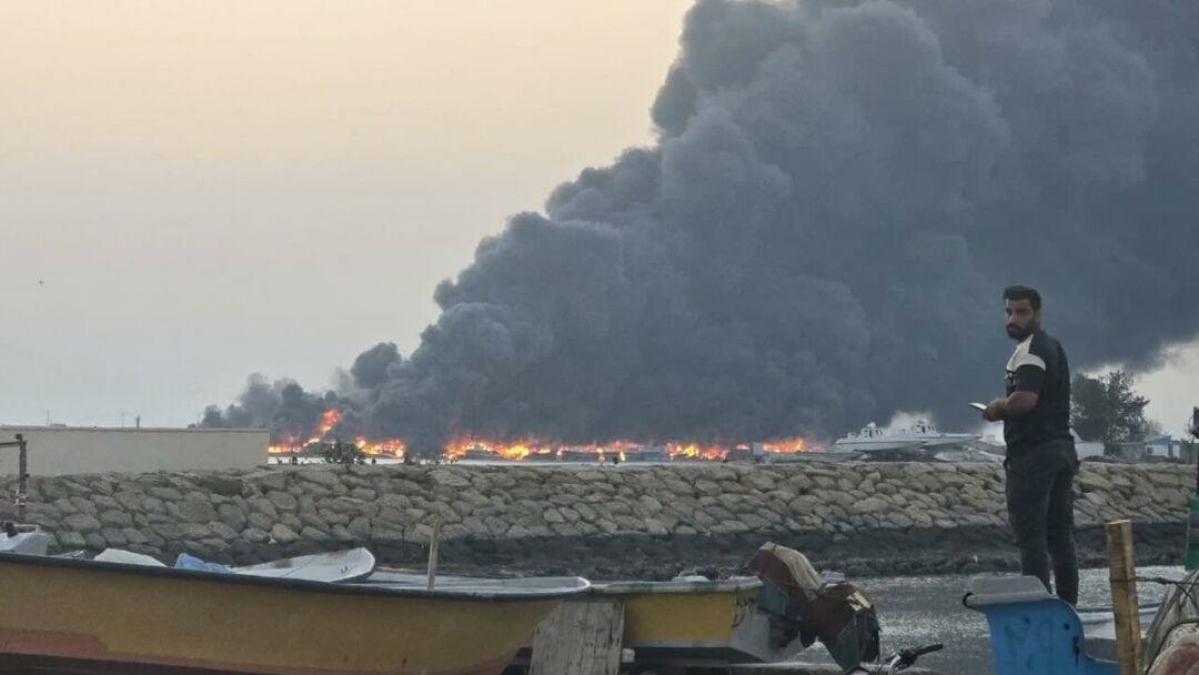
The United States and Iran exchanged another wave of strikes as a dispute over control of the Strait of Hormuz threatened efforts to end their war, with the US military saying it hit dozens of targets on Sunday night to degrade the ability of Iranian forces to continue attacking commercial shipping in the Gulf waterway.
“This picture shows ships sailing near the Strait of Hormuz off the eastern coast of the United Arab Emirates at Khor Fakkan on July 13, 2026”
Iranian media reported that four people were killed, while the Islamic Revolution Guard Corps said it attacked US military assets in Kuwait, Jordan, Bahrain and Oman, where authorities said they intercepted projectiles.
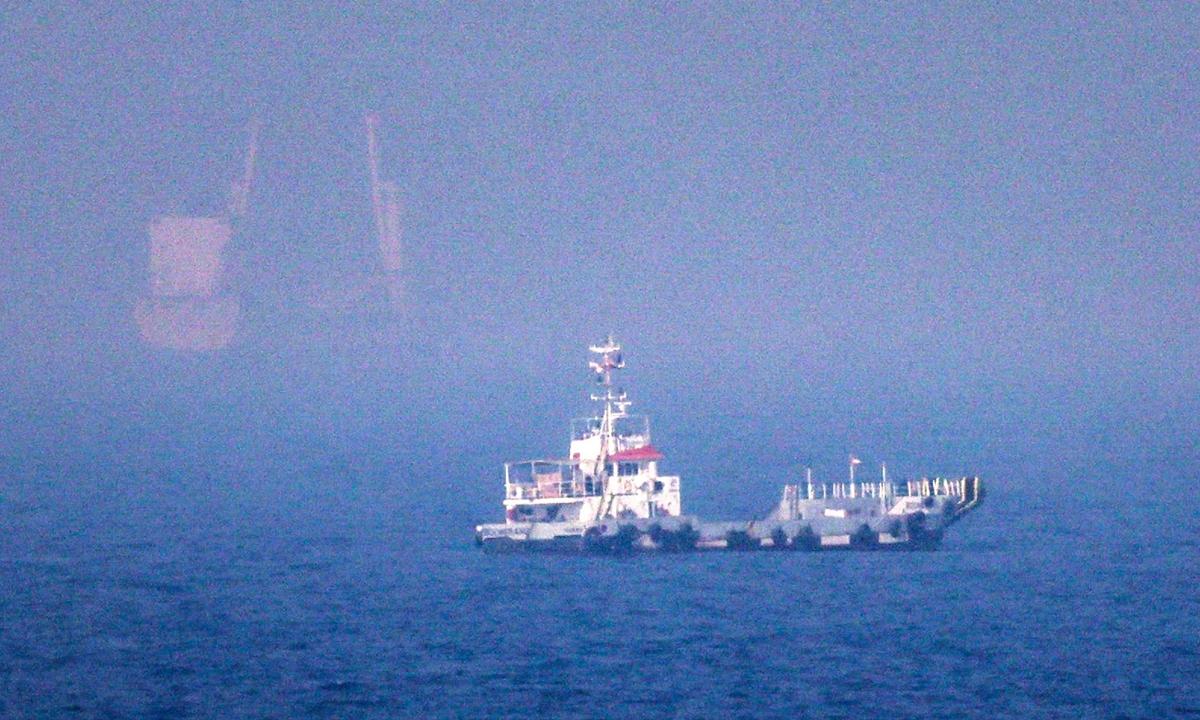
Hours later, President Donald Trump said the US was reinstating its naval blockade on Iran and would charge 20% on all cargo shipped through the strait, and the Revolutionary Guards said the US was jeopardising the world's oil and gas supplies by interfering in the waterway through which around 20% of global shipments usually pass.
US Central Command said it had begun a new round of strikes across Iran shortly after 17:00 ET (21:00 GMT) on Sunday, with fighter jets, naval vessels, and one-way attack aerial and sea drones targeting Iranian air-defence systems, coastal radar sites, and missile and drone capabilities.
The escalation cast doubt on the preliminary agreement the US and Iran signed in June to end their four-month conflict and reopen the strait, and it also caused a jump in oil prices with Brent crude up more than 3% on Monday.
Tehran calls it dismantled
Iran’s deputy foreign minister Kazem Gharibabadi said the naval blockade the US was about to enforce against Iran's ports "dismantles" the Pakistan-brokered agreement between the two countries, adding that Iran currently has no commitments when it comes to the MoU.
In an interview with State TV, Gharibabadi stressed that the Strait of Hormuz is part of Iran's national security, vowing that Tehran will exercise its sovereignty over it at all costs.

The US Central Command said it began launching an additional round of strikes against Iran at 3 p.m. ET to continue degrading Iranian capabilities used to attack commercial shipping in the Strait of Hormuz, and it said the strikes were taking place ahead of the planned blockade on Iranian ports and coastal areas.
The US blockade decision, DW reported, followed a first blockade lifted in June after a memorandum of understanding between Washington and Tehran, and it came as Iranian officials denied some reports of explosions near the Strait of Hormuz.
DW also said the US military carried out strikes against Iran after unnamed US officials told several news agencies the strikes were meant to eliminate "emerging threats".
Shipping, sanctions, and risk
As the US reimposed the naval blockade, NPR reported that U.S. Central Command said it resumed the naval blockade against vessels transiting to and from Iranian ports and coastal areas at 4 p.m. ET, and it said there were currently more than 20 U.S. Navy warships and hundreds of military aircraft operating across the Middle East.
NPR also said Iran’s deputy foreign minister Kazem Gharibabadi told state media that the U.S. had destroyed the countries' memorandum of understanding signed last month, while the US said it launched another wave of strikes to continue degrading Iranian capabilities used to attack commercial shipping in the Strait of Hormuz.
Sky News reported that the US had issued new Iran-related sanctions and a general license, with the sanctions targeting several individuals, entities and vessels and the general license allowing wind down activities, limited safety and environmental transactions, and the offloading of cargo involving certain persons or vessels blocked on 14 July.
Sky News further said Central Command confirmed the American blockade of Iranian ports will restart at 9pm UK time, and it quoted a US Central Command post on X saying "American forces remain vigilant, lethal, and ready".
The stakes were framed by the BBC’s account of a dispute over control of the Strait of Hormuz that threatened to derail efforts to end their war and reopen the strait, while the US and Iran’s blockade and strike cycle raised the risk of wider regional disruption.