US And Iran Signal Progress In Talks To Reopen Strait Of Hormuz, Details Still Negotiated
Key Takeaways
- US and Iran signal progress toward a framework to end the war and extend ceasefire.
- Reopening the Strait of Hormuz is a central component of the proposed accord.
- Officials warn no imminent deal despite progress, while others claim near-term signing.
Talks, but not final
The United States and Iran signaled progress in negotiations to resolve the war and reopen the Strait of Hormuz, but crucial details of a framework agreement were still under negotiation, with a US official telling CNN it could take a few more days to finalize.
CNN reported that the framework would give negotiators 60 days to iron out a longer-term agreement, while NBC News said Iran warned Monday that an agreement to end the war launched by the United States and Israel was not imminent despite progress.

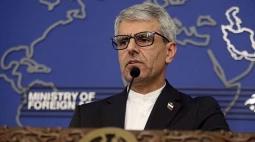
NBC News quoted Iran’s Foreign Affairs Ministry spokesman Esmail Baghaei telling reporters that the focus of the negotiations was on ending the war and that "at this stage we are not discussing the details of the nuclear issue."
CNN also said US Secretary of State Marco Rubio told reporters during a visit to India that negotiations were "still a work in progress" and that there was "a pretty solid thing on the table" regarding Iran’s ability to open up the Strait of Hormuz and enter into "a real significant time limited negotiation on nuclear matters."
Iran rejects imminence
Iran’s negotiating team poured cold water on claims that a deal was imminent, with Esmail Baghaei telling reporters at the weekly foreign ministry press briefing, "no one can make such a claim."
The Guardian reported that Baghaei also said future management of the strait of Hormuz was a matter for Oman and Iran to reach agreement on, and that it was not tolls being proposed but "fees for navigational services".

NBC News described a parallel message from Iran that while Tehran acknowledged progress, it played down the idea that an announcement could come soon after President Donald Trump raised and then lowered expectations that a deal may be close.
NBC News also reported that Trump warned on Monday morning that fighting would resume "bigger and stronger than ever before" if talks failed, while Rubio told reporters in India that an agreement could be finalized "today."
What’s at stake next
As the framework talks move forward, the proposed roadmap centers on reopening the Strait of Hormuz and extending ceasefire arrangements, with The Guardian saying the plan reportedly being considered would restore full access to the strait of Hormuz in 30 days after any deal to end hostilities between the two countries.
The Guardian also reported that Baghaei insisted that a ceasefire in Lebanon had to be included in the memorandum of understanding that would lead to Iran allowing commercial shipping through the strait and the US lifting its blockade of Iran’s ports.
NBC News said the framework would give the two sides 60 days to reach a full peace deal, and that if the deal went into effect soon, the 60-day window would push the next ceasefire deadline to late July or early August.
In parallel, NBC News reported that Iran’s top negotiators, Parliament Speaker Mohammad Bagher Ghalibaf and Foreign Minister Abbas Araghchi, arrived in Doha as part of the ongoing negotiations, while Reuters-reported details in the wider coverage described the understandings as reopening the Strait of Hormuz in exchange for ending the U.S. naval blockade of Iran and continuing nuclear talks later.
More on Iran
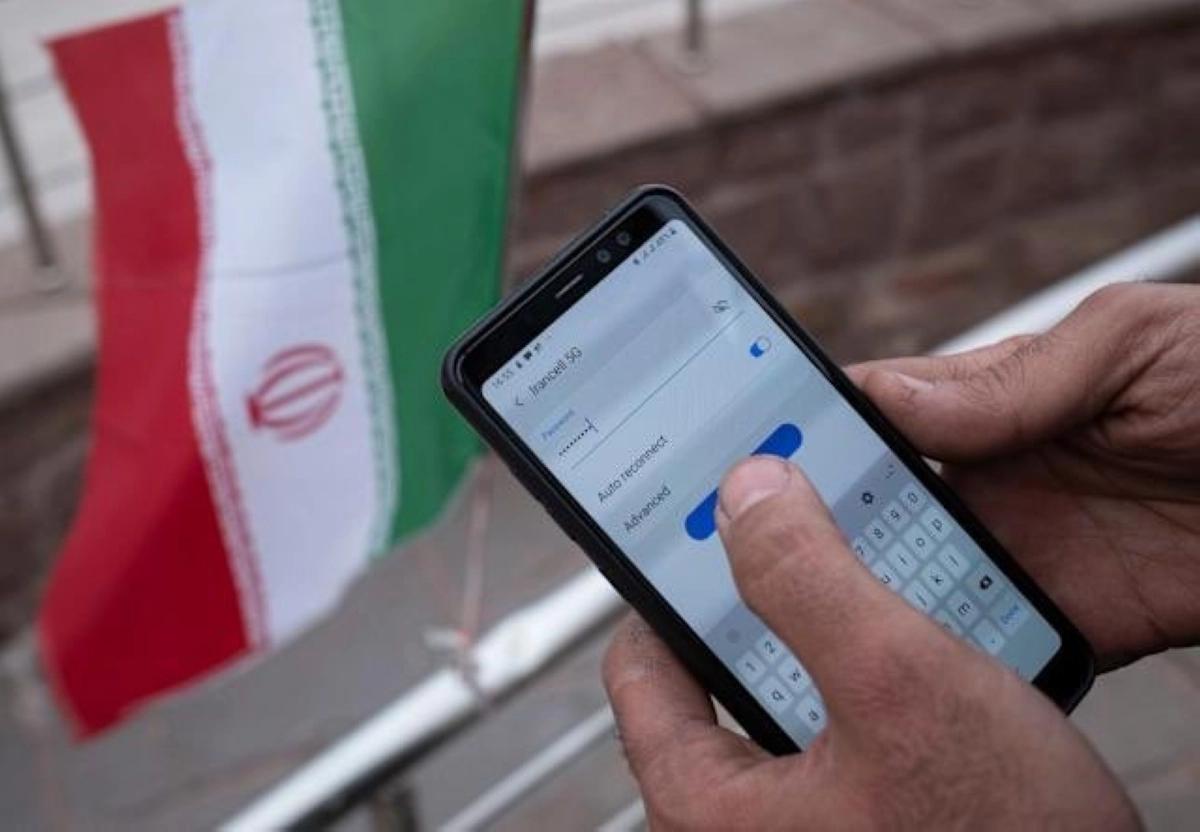
Masoud Pezeshkian Orders Restoration of International Internet Access After 87-Day Blackout
16 sources compared
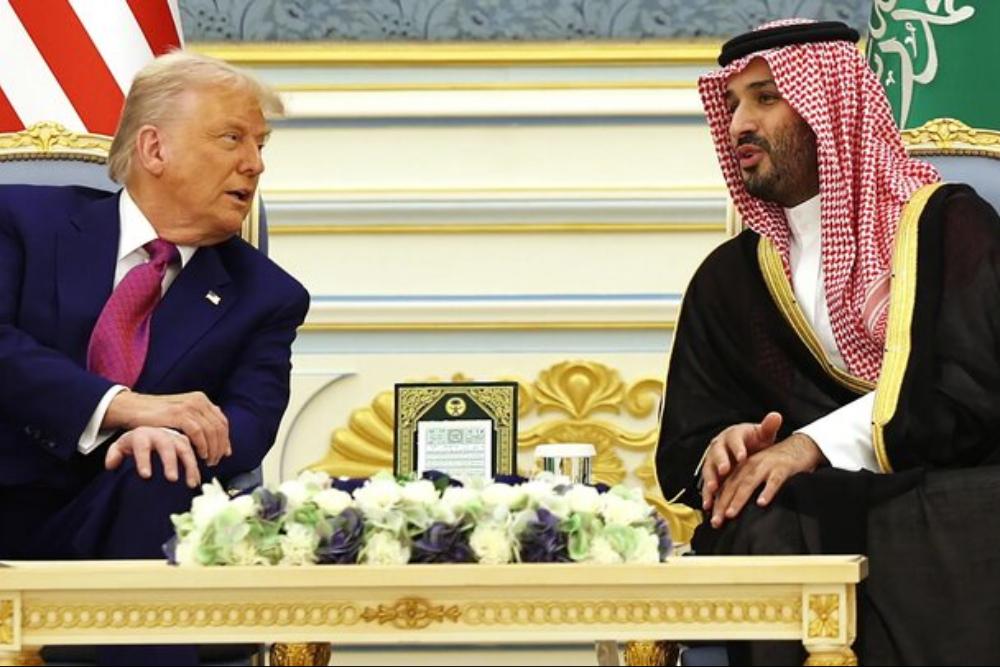
Trump Says U.S. And Iran Are Moving Toward Deal To Reopen Strait Of Hormuz
23 sources compared
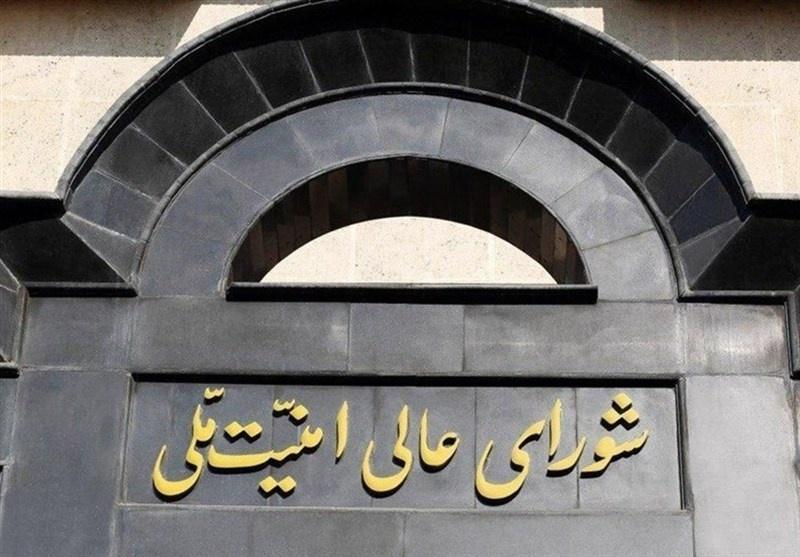
Mohammad Bagher Zolghadr Says Iran Will Not Retreat, Urges National Unity
20 sources compared
Trump Says US-Iran Deal Is Largely Negotiated, Framework Gives 60 Days
21 sources compared