U.S. And Iran Talks Stall Amid Strategic Stalemate, Trump Cancels Envoy Plans
Key Takeaways
- U.S.-Iran talks stalled with no negotiations scheduled amid rising tensions.
- Iran refuses under pressure, signaling a hardening stance.
- Oil prices rise as the stalemate persists.
Deadlock, Not Peace
A prolonged stalemate between the United States and Iran is leaving diplomacy stuck in a “neither war nor peace” condition, with both sides trying to outlast the other while major economic interests hang in the balance.
“Summary - A prolonged deadlock in US-Iran negotiations triggered declines in US stock futures, higher international oil prices and a stronger dollar”
The New York Times Chinese-language report describes an “awkward stalemate” as “plans for U.S.–Iran peace talks falter (at least for now),” and says analysts believe Iranian officials are confident they can endure economic pain longer than President Trump.
It also frames the risk as escalating if talks do not gain momentum, warning that Tehran and Washington remain under the threat of an attack “launched by the United States and Israel.”
The report cites a former Iranian government vice president and Tehran University political scientist, Sasan Karimi, comparing the moment to “what we saw at the end of the war on the 12th—the war is over, but there are no lasting arrangements.”
It adds that an article in the Iranian conservative newspaper Khorasan, republished widely in Iran, described the situation as a “strategic stalemate,” arguing that “Both sides have stepped back from the high costs of full-scale war, but have not shed the logic of using force and pressure as its core.”
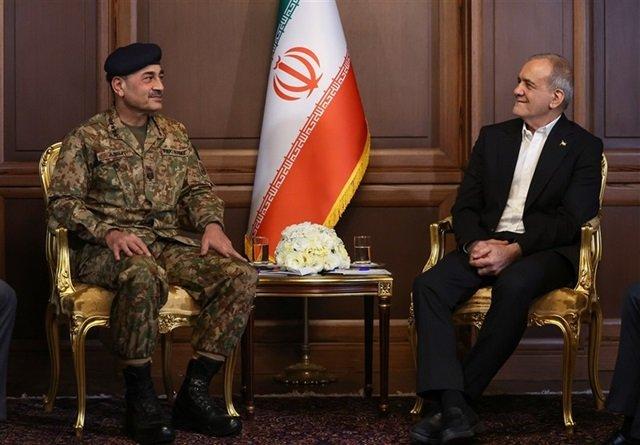
The same report says efforts mediated by Pakistan to restart ceasefire talks have been intermittent since the U.S.–Israel bombing campaign against Iran ended in a ceasefire.
It also notes that President Trump canceled plans to send special envoy Steve Vitkov and Jared Kushner to Islamabad for a second round of ceasefire talks, saying the Iranians would “only waste the negotiators’ time.”
Envoys, Mediation, and Conditions
The deadlock is playing out through canceled visits, shifting mediation routes, and explicit conditions for talks, with Pakistan and Oman repeatedly appearing as intermediaries.
The Guardian reports that Abbas Araghchi, Iran’s foreign minister, returned to Pakistan for a second consecutive day of talks with mediators after a brief trip to Oman, and it quotes him saying, “Have yet to see if the US is truly serious about diplomacy,” on X.
The Guardian also says Donald Trump announced he had canceled a visit to Pakistan by his envoys, Steve Witkoff and Jared Kushner, describing the trip as involving “too much travel and expense for what he considered an inadequate Iranian offer.”
It adds that Trump later claimed Iran offered a new proposal “within 10 minutes” of his decision, telling reporters, “They gave us a paper that should have been better and – interestingly – immediately when I cancelled it, within 10 minutes, we got a new paper that was much better,” without elaborating.
The New York Times Chinese-language report similarly says Iranian senior officials insist they will not engage in direct negotiations until Trump lifts the maritime blockade on Iranian ports, which he agreed to as part of agreeing to a ceasefire.
It states that after Friday’s visit to Pakistan, Abbas Araghchi went to Oman on Saturday for a meeting and returned to Pakistan on Sunday, with Iranian official media reporting he would hold a second meeting with the Pakistani side before flying to Russia.
Devdiscourse describes the diplomatic pattern as Iran’s foreign minister continuing diplomatic efforts “without U.S. counterparts,” while Trump instructed his envoys to halt talks.
Oil, Markets, and Pressure
As negotiations stall, the sources tie the deadlock to market moves and to the strategic pressure around the Strait of Hormuz, with oil prices rising and investors reacting to uncertainty.
“Diplomatic Deadlock: U”
Bloomingbit reports that “A prolonged deadlock in US-Iran negotiations triggered declines in US stock futures, higher international oil prices and a stronger dollar,” and it says Bloomberg reported on April 26 that delays in restarting US-Iran peace talks fueled concern that “a closure of the Strait of Hormuz could be prolonged.”
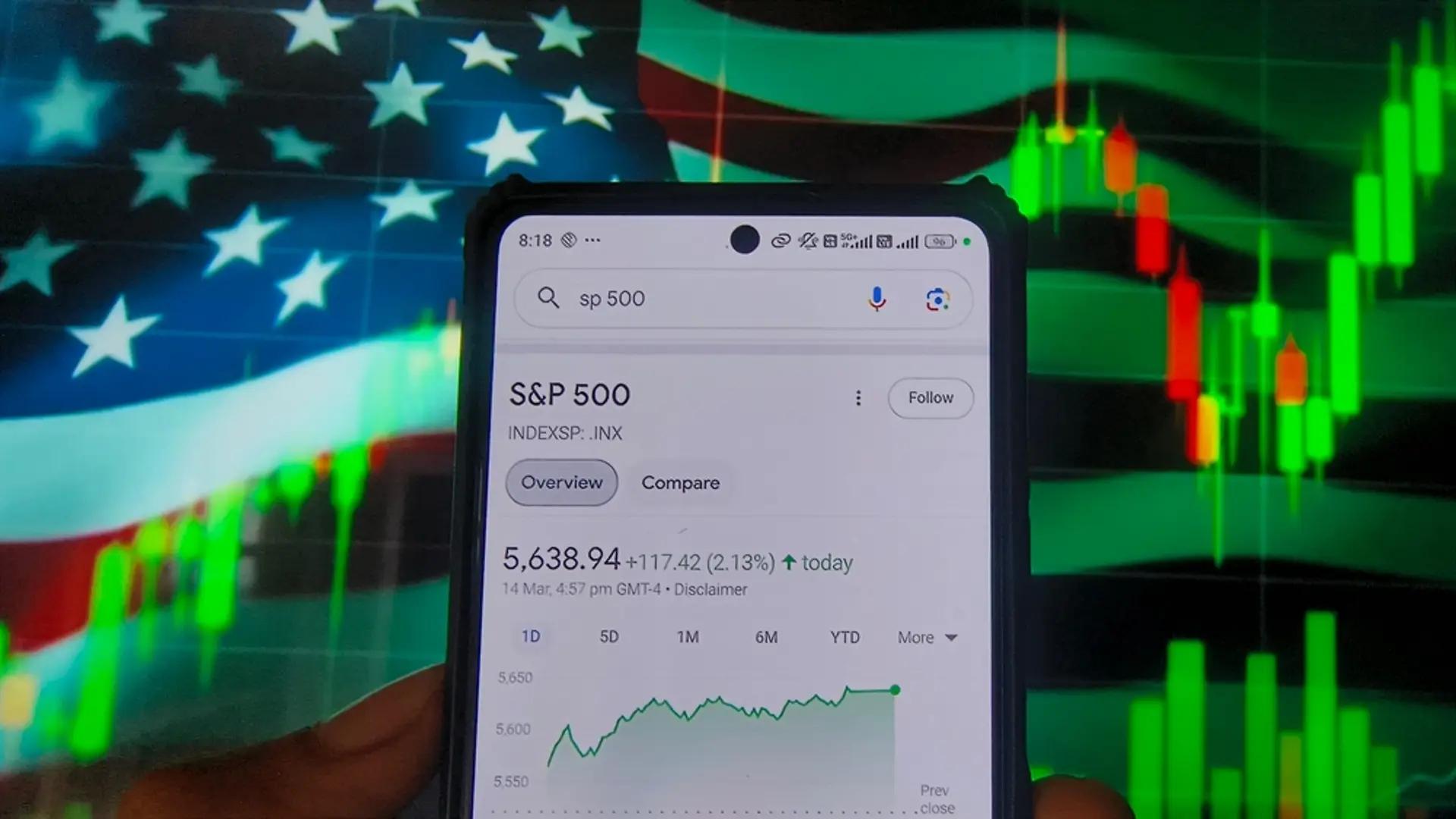
It gives specific market figures, saying “S&P 500 futures slipped 0.2%, and the dollar strengthened against major currencies,” and it reports that “Brent crude at one point rose 1.9% to above $107 a barrel.”
The Guardian adds that the closure of the strategic waterway through the Gulf has sent oil prices soaring “around the world,” threatening “a global economic downturn,” and it says Trump ordered the US fleet assembled off its shores to blockade Iran.
The Guardian also states that Iran wants to raise a toll on passage through the strait, forcing each passing tanker to pay “$2m,” which it says could lead to higher prices for years to come.
It further reports that the IRGC wrote on its official Telegram channel: “Controlling the strait of Hormuz and maintaining the shadow of its deterrent effects over America and the White House’s supporters in the region is the definitive strategy of Islamic Iran.”
The Guardian says Iran’s military warned that continued US “blockading, banditry and piracy” would lead to retaliation, and it reports that Trump ordered the military to “shoot and kill” Iranian vessels that could be placing mines.
Voices on Intentions and Nuclear Terms
The sources present competing explanations for why talks are not moving, with Iran and the United States each describing the other’s stance as insufficient.
The Guardian reports that Abbas Araghchi described his Pakistan trip on Saturday as “very fruitful” while signaling scepticism over Washington’s intentions, and it quotes him saying, “Have yet to see if the US is truly serious about diplomacy.”
It also says the talks collapsed after Iran would not agree to US demands to end nuclear enrichment and hand over its 440kg of highly enriched uranium, and it describes the earlier Islamabad session as a 21-hour meeting that exposed “wide gaps” on the future of the strait of Hormuz, Iran’s nuclear programme and Tehran’s support for militant movements.
The Guardian adds that last week Trump announced an indefinite extension of his earlier two-week ceasefire with Iran and repeated his demand that Iran allow shipping free passage in the strait of Hormuz, which in normal times carries “around a fifth of the world’s oil and liquid natural gas supplies.”
In the New York Times Chinese-language report, Iranian senior officials insist they will not engage in direct negotiations until Trump lifts the maritime blockade on Iranian ports, which he agreed to as part of agreeing to a ceasefire.
Devdiscourse adds that the conflict has led to a ceasefire “since U.S.-Israeli strikes on Iran began on February 28,” but it says no decisive terms have emerged to conclude a war responsible for “thousands of deaths.”
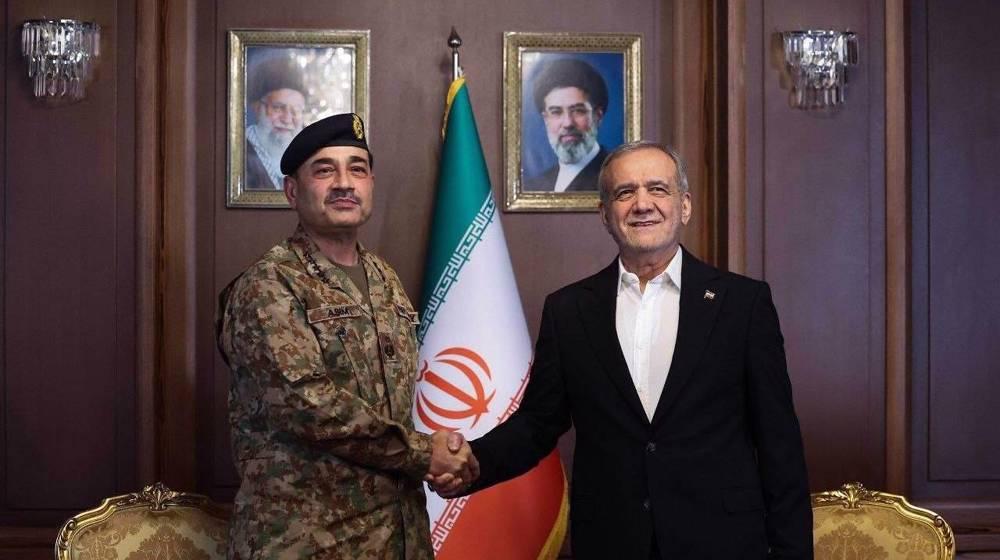
Crypto Briefing adds that Iran’s President Masoud Pezeshkian told Pakistan’s PM Shehbaz Sharif that Tehran will not negotiate with the US under pressure, linking the stance to nuclear deal deadlock and a contract tied to April 30, 2026.
What Happens Next
The sources converge on the idea that the stalemate is likely to continue unless maritime blockades are lifted and negotiations restart, but they differ in how they describe the near-term leverage and timelines.
The New York Times Chinese-language report says Iranian officials are worried that if talks lack momentum, they will remain under the threat of an attack launched by the United States and Israel, and it quotes Sasan Karimi warning that “maintaining the status quo is the most politically conservative course right now.”
It also reports that Bourse & Bazaar Foundation CEO Esfandiar Batmanglij said Iran still believes that economically, 'it can outlast Trump, at least in the next few weeks,' during which the losses from the Strait disruption will be greater for Trump than for Iran.
Bloomingbit, meanwhile, describes how market expectations are fading that talks would resume, and it ties the uncertainty to broader volatility drivers, saying this week’s monetary-policy decisions and technology company earnings reports are expected to drive market volatility.
It lists specific companies due to report, including Alphabet, Microsoft, Amazon and Meta, and it says Apple is also set to release results.
The Guardian adds a political constraint by stating that analysts say Iranian leaders are aware Trump faces pressure from US voters unhappy at rising fuel prices, and it says midterm elections are due in the US in November.
Crypto Briefing adds a market-based timeline by stating that the market for Iran agreeing to surrender its enriched uranium stockpile by April 30, 2026, dropped sharply after Pezeshkian’s comments.
More on Iran

US Besieges Iranian Ports as Trump Mulls Extended Blockade, Driving Oil Prices Higher
10 sources compared

Oil Prices Surge as US Siege of Iranian Ports Threatens Strait of Hormuz Supply
11 sources compared
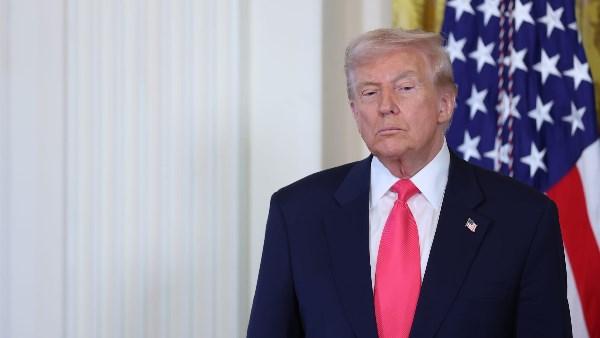
Trump Receives CENTCOM Briefing on Potential U.S. Military Action Against Iran Thursday
13 sources compared
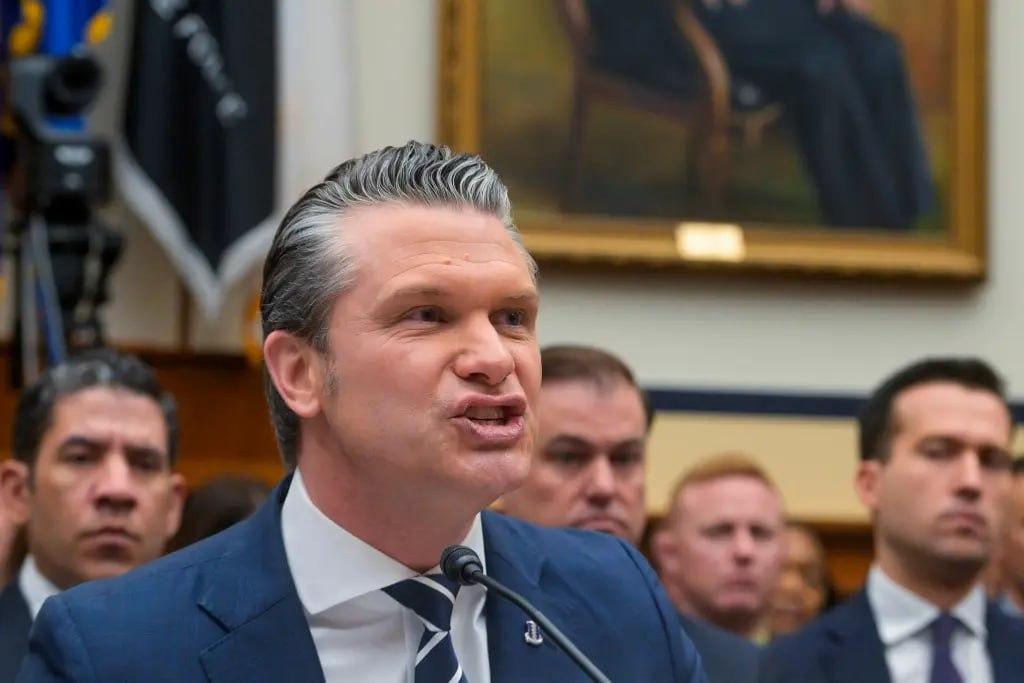
Pentagon Says Iran War Costs $25 Billion So Far, Acting Comptroller Jules Hurst III Tells Congress
37 sources compared