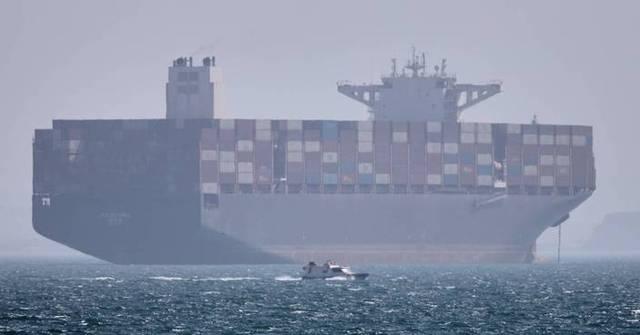
U.S. and Iran Trade Fire and Threats as Strait of Hormuz Ceasefire Faces New Tests
Key Takeaways
- US efforts to open the Strait of Hormuz threaten fragile ceasefire.
- Iranian missiles and drones attacked UAE targets as tensions escalated.
- U.S. sank small Iranian boats in Hormuz amid attacks.
Ceasefire under strain
The United States and Iran traded fire and threats as a fragile ceasefire faced new tests in the Strait of Hormuz, with U.S. officials insisting the truce was still holding while Iranian leaders warned the fight had not “begun yet.”
“Fragile ceasefire in the Middle East on Tuesday, May 5, 2026 (15 Ordibehesht 1405), after a renewed round of fighting between the United States and Iran over the Strait of Hormuz, has become more precarious than ever”
Defense Secretary Pete Hegseth told reporters that the U.S.-Iran ceasefire “certainly holds” for now and later said it was “not over” despite attacks in the strait, while Joint Chiefs Chairman Gen. Dan Caine said Iran had attacked U.S. forces “more than 10 times” since the ceasefire went into effect but that the actions remained “below the threshold of restarting major combat operations.”
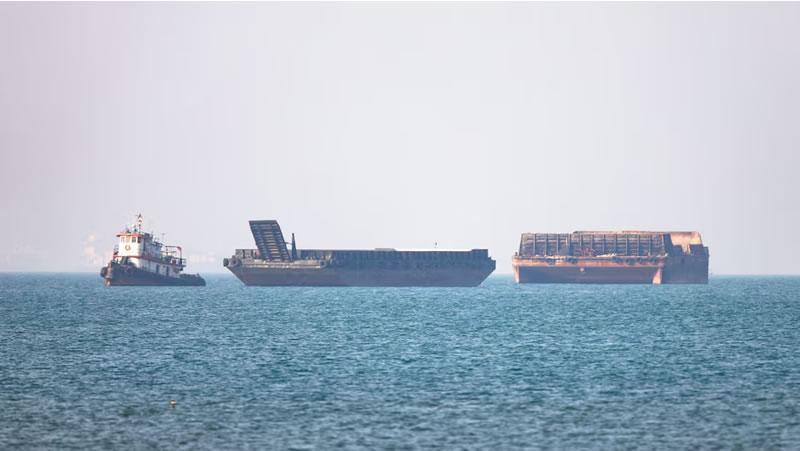
The escalation was tied to the U.S. effort to guide commercial shipping out of the Persian Gulf through the Strait of Hormuz under “Project Freedom,” which Hegseth described as “separate and distinct” from broader operations and “temporary” in duration.
NBC News reported that the ceasefire was “in peril Tuesday after the United States and Iran traded fire and threats” over Trump’s mission to force open the waterway, and it said the U.S. military reported Tehran attacked U.S. Navy and commercial ships with cruise missiles, launched drones and small boats, and that “no American ships were struck.”
In parallel, the BBC reported that Pakistan’s prime minister Shehbaz Sharif, acting as a mediator, said his country “strongly condemns the missile and drone attacks on civilian infrastructure in the United Arab Emirates last night” and stressed that “It is absolutely essential that the ceasefire be upheld and respected.”
The Associated Press summary described the U.S. attempt to open the Strait of Hormuz as firing on Iranian forces and sinking six small boats, while saying the “shaky ceasefire seemed to hold Tuesday even after the United Arab Emirates said Iran fired missiles and drones at it.”
Project Freedom and the fight
The U.S. operation to reopen the Strait of Hormuz centered on “Project Freedom,” which U.S. officials said was designed to escort commercial shipping and was not meant to expand the war.
CBS News said Secretary of Defense Pete Hegseth defined Project Freedom as “separate and distinct” from “Operation Epic Fury,” calling it “defensive in nature, focused in scope, and temporary in duration, with one mission: protecting innocent commercial shipping from Iranian aggression.”

Gen. Dan Caine said the effort began Sunday when CENTCOM initiated Project Freedom at the president’s direction, with the objective of facilitating “the safe passage of international, commercial shipping through the Strait of Hormuz,” and he said guided missile destroyers and warships were “detecting and defeating Iranian threats” while “more than 100 aircraft are in the air providing defensive overwatch.”
Caine also said U.S. forces were made up of “over 15,000 American service members,” and he described the operational presence as something commercial vessels would “see, hear and frankly feel U.S. combat around them — on the sea, in the skies and on the radio.”
In the same reporting, CBS News said the U.S. Navy destroyers had to fend off “a sustained barrage of Iranian missiles, attack drones and small boats” as they protected two ships transiting the strait, and it said President Trump stated U.S. forces destroyed “seven or eight Iranian small boats” during the encounter.
The Associated Press summary similarly said the U.S. tried to force open the strait for commercial shipping, and it stated the U.S. aimed to end Iran’s control by creating an “enhanced security area,” while noting “Two American-flagged merchant ships successfully transited on Monday.”
Iran’s warnings and Pakistan’s role
Iran’s position in the dispute was presented through warnings that the U.S. and its allies had not yet faced the full extent of Tehran’s response, while Pakistan’s mediation efforts focused on preserving diplomatic space.
CNN reported that Iran’s chief negotiator Mohammad Bagher Ghalibaf said Tehran intended to preserve the new “status quo” at the strait by asserting control even if Washington finds it “intolerable,” and CNN quoted him warning, “We have not even begun yet.”
The BBC reported that Shehbaz Sharif, the prime minister of Pakistan acting as mediator, said his country “strongly condemns the missile and drone attacks on civilian infrastructure in the United Arab Emirates last night,” and he added on social media: “It is absolutely essential that the ceasefire be upheld and respected, to allow necessary diplomatic space for dialogue leading to enduring peace and stability in the region.”
The BBC also quoted Bilawal Bhutto Zardari, chairman of the Pakistan People’s Party, saying both sides should “avoid an escalation” and “continue their commitment to diplomacy,” while adding that Pakistan was “currently still exchanging messages and trying to create confidence-building opportunities.”
NBC News described Iran’s defiant tone through a post by Mohammad Bagher Ghalibaf on X, saying the situation in the strait was “unbearable” for America but that Iran has “not even begun yet.”
NBC News also quoted Foreign Minister Abbas Araghchi saying “there is “no military solution to a political crisis,” and that “Project Freedom is Project Deadlock.”
Competing claims and framing
Different outlets framed the same sequence of events with contrasting emphasis on whether the ceasefire was being violated and how serious the operational threat was.
CBS News and NBC News both highlighted U.S. insistence that the ceasefire “certainly holds” and that Project Freedom was “temporary,” while also describing intense combat-like encounters in the strait, including a “sustained barrage” of Iranian missiles, drones, and small boats and U.S. claims that it destroyed “seven or eight Iranian small boats.”
The BBC similarly reported that Hegseth said the ceasefire was “not over,” but it placed the mediation angle front and center by quoting Pakistan’s Shehbaz Sharif condemning missile and drone attacks on civilian infrastructure in the United Arab Emirates and urging diplomatic space.
By contrast, CNN foregrounded Iran’s warning that the fight had not “begun yet,” and it described Tehran’s messaging about preserving the “status quo” at the strait even if Washington finds it “intolerable.”
The Associated Press summary described the U.S. attempt to open the strait as firing on Iranian forces and sinking six small boats, and it said the ceasefire “seemed to hold Tuesday even after the United Arab Emirates said Iran fired missiles and drones at it,” which differed from CBS News’s “seven or eight” figure for small boats destroyed.
In the same reporting ecosystem, Iran’s denial of successful crossings was highlighted by NBC News, which said Iran denied there had been any successful crossings of commercial vessels or oil tankers and said none of its navy ships suffered damage.
What happens next
As the ceasefire remained in question, U.S. officials said they were prepared to resume major combat operations if ordered, while also insisting they were not seeking a broader fight through Project Freedom.
CBS News quoted Gen. Dan Caine saying U.S. forces “remain ready to resume major combat operations against Iran if ordered to do so,” and it included Hegseth’s framing that the operation was “separate and distinct” and that “We're not looking for a fight.”
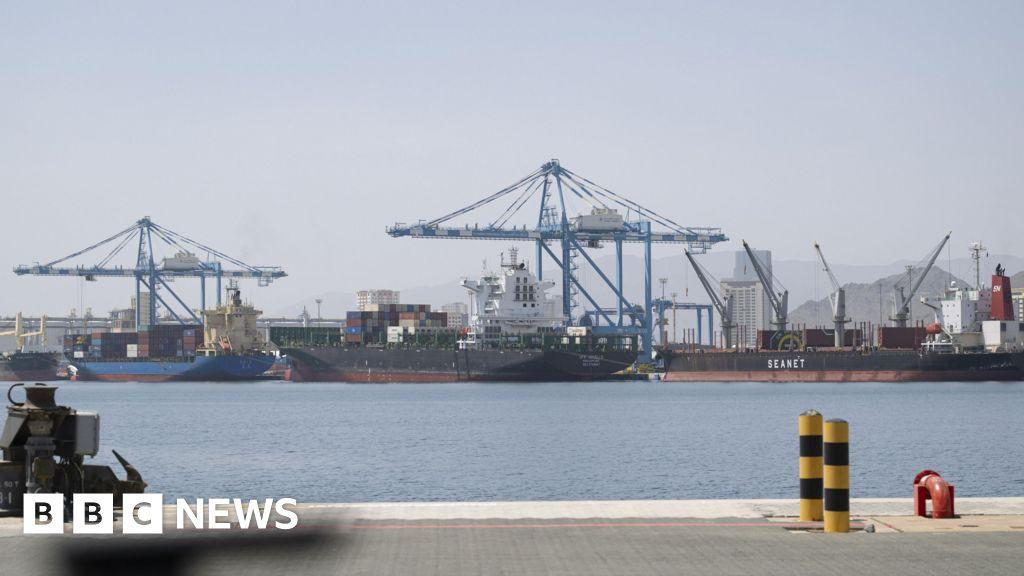
The Guardian’s live coverage similarly reported that Hegseth said the ceasefire “is not over” and that Caine said the threshold for restarting major operations was a political decision, while the Guardian also quoted Hegseth saying the U.S. would defend and defend aggressively and that Iran “will face overwhelming firepower” if it attacks commercial shipping.
NBC News added that Hegseth said “hundreds of ships are now lining up to transit the strait” and that the U.S. had established a “powerful red, white and blue dome over the strait,” while it reported that the military was in active communication with those ships.
At the same time, Iran’s stance suggested it would treat any foreign military presence as a threat, with CNN reporting that Iran’s chief negotiator Mohammad Bagher Ghalibaf reiterated Tehran intends to preserve the “status quo” at the strait by asserting control even if Washington finds it “intolerable,” and with CNN quoting him warning, “We have not even begun yet.”
The Associated Press summary described the U.S. aim to end Iran’s control by creating an “enhanced security area,” and it said Iran warned that any foreign military force in the strait will be targeted, reinforcing the risk that the “temporary” operation could still trigger further clashes.
More on Iran
Pete Hegseth Says Iran Ceasefire Holds Despite Exchanges of Fire in Strait of Hormuz
22 sources compared

Keir Starmer Warns Iran It Will Not Tolerate Inciting Antisemitism Or Destabilising Britain
19 sources compared
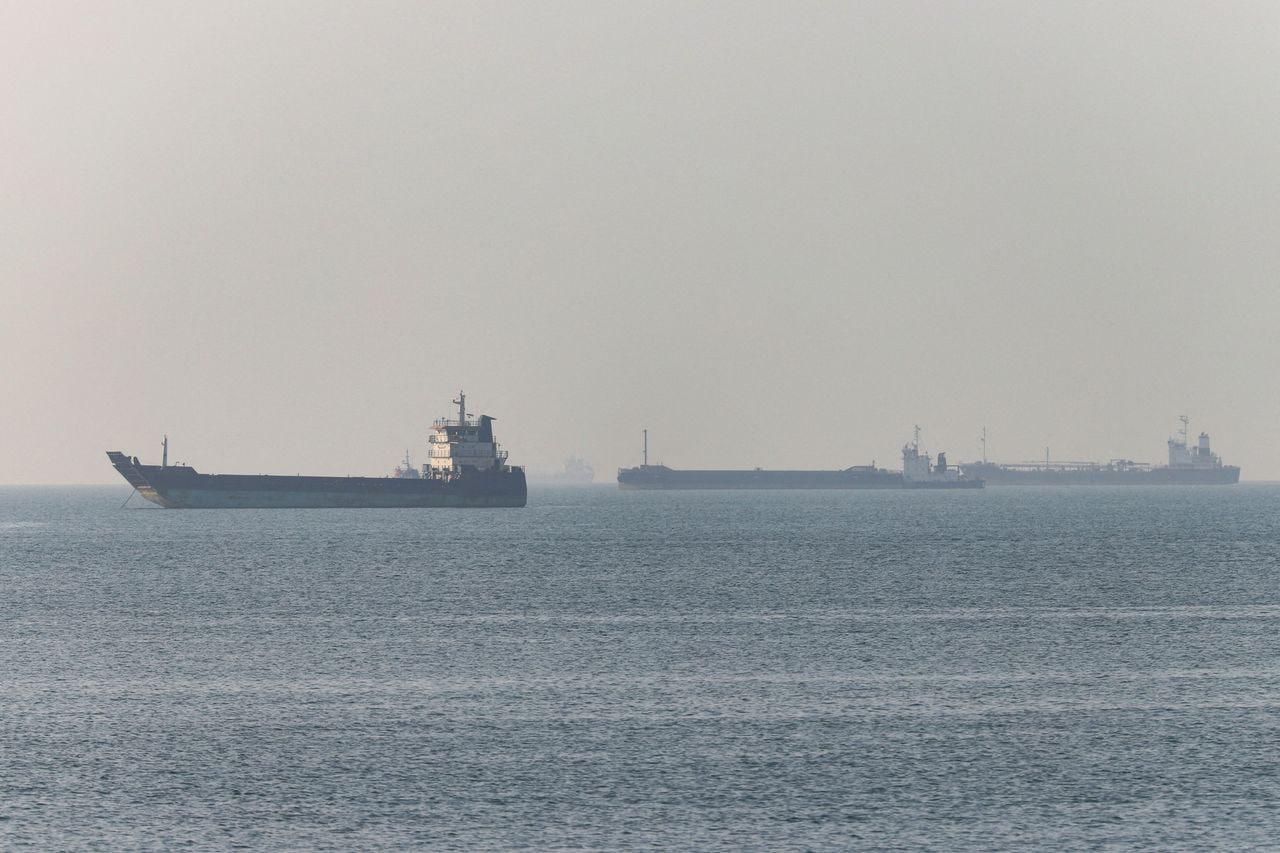
Trump Urges South Korea To Join Project Freedom After Namu Explosion In Strait Of Hormuz
22 sources compared
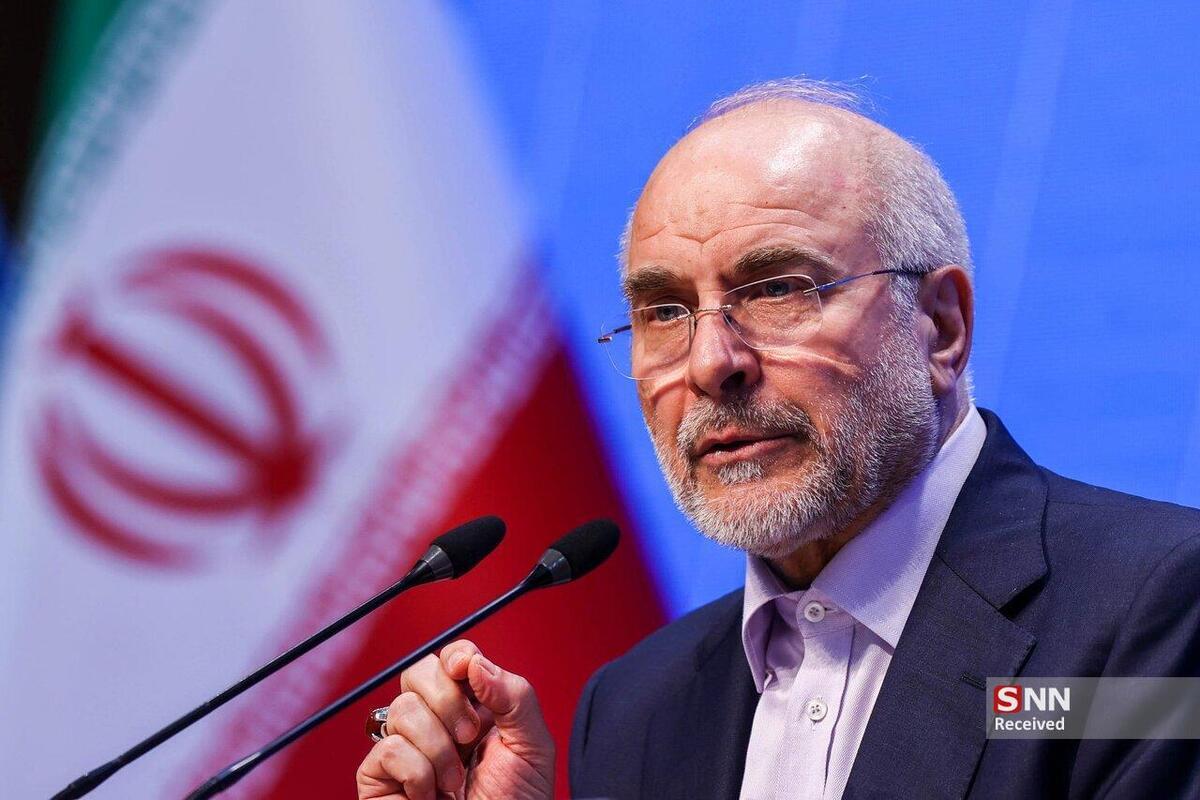
Mohammad Bagher Ghalibaf Warns United States as Strait of Hormuz Tensions Escalate
27 sources compared