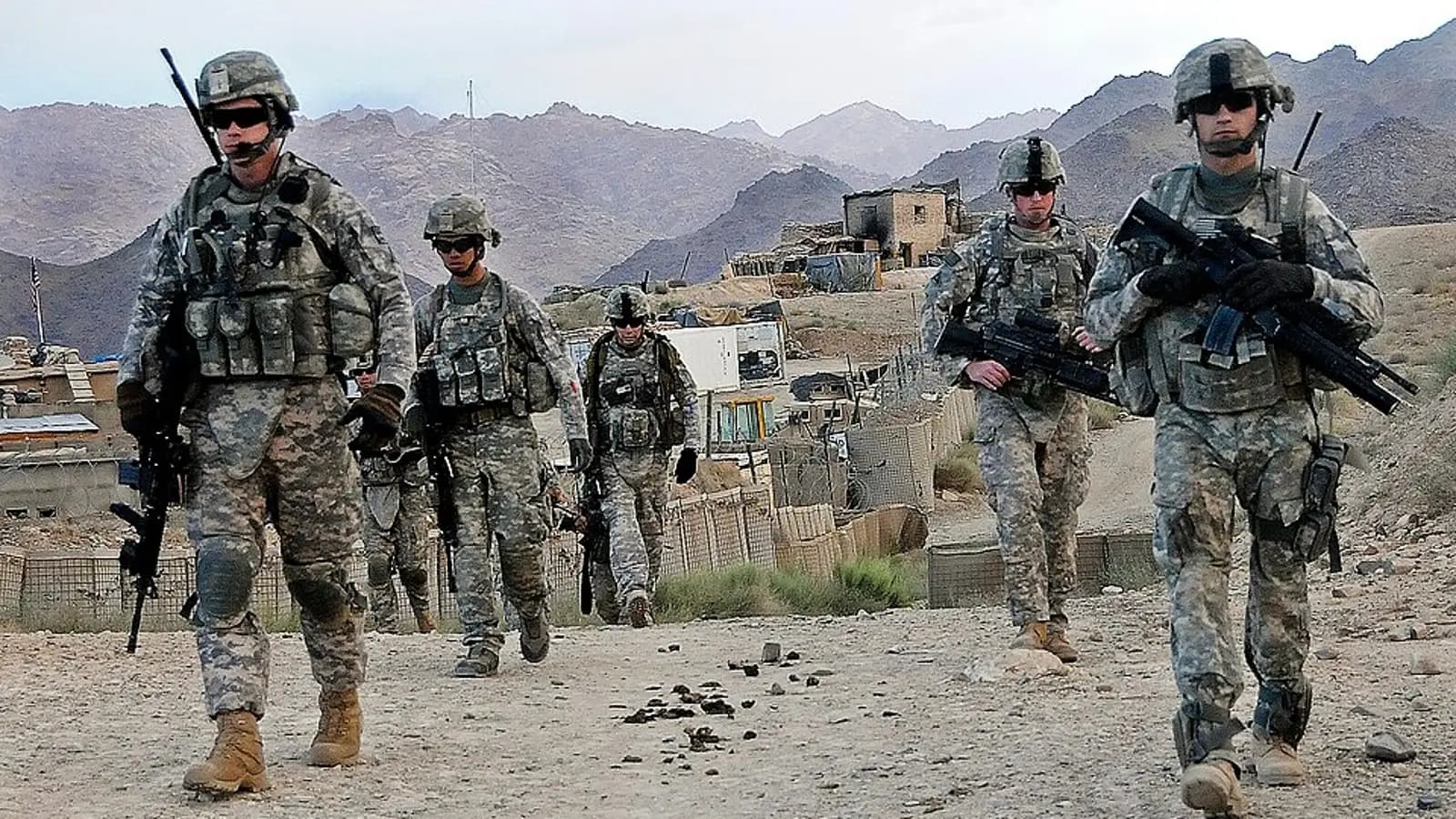
U.S. and Israel Push Decisive Move to Widen War in Iran
Key Takeaways
- US and Israel plan to widen war in Iran within two and a half weeks.
- Aims to control the energy corridor across the Strait of Hormuz.
- Pentagon contemplates possible ground troops inside Iran, signaling expanded force posture.
Coordinated War Planning
U.S. and Israeli military planners are coordinating on a decisive military expansion against Iran, with both nations preparing for a major escalation in the conflict that could begin within days.
“On a timetable not exceeding two and a half weeks, and with a plan aimed at controlling the global energy corridor in the Strait of Hormuz, the United States and Israel are preparing to widen the war in Iran starting in the coming week”
Israeli senior security officials have indicated in assessments that they expect to complete their action plan within two to two and a half weeks, after which they plan to 'stop the activity and let the Iranian people have their say.'

The Israeli Public Broadcasting Corporation cited reliable sources stating that the United States and Israel are preparing for a major expansion of the war in Iran, expected to begin next week.
This coordinated military planning comes amid heightened tensions following attacks on Israeli territory and nuclear facilities.
Israeli Timeline Assessment
Israeli military sources estimate that the conflict with Iran will continue for weeks, potentially extending beyond the Passover holiday, indicating a prolonged military engagement rather than a quick strike.
Despite this expectation of extended warfare, there are operational assessments suggesting that the Israeli timeline may be more constrained, with officials indicating they plan to complete their action plan within a specific timeframe.
The Israeli approach appears designed to achieve immediate objectives while potentially creating internal divisions within the Iranian regime, as one Israeli official suggested that 'the internal fissures already visible inside the Iranian regime will do their job' once the military action concludes.
Trump's Mixed Messaging
U.S. President Donald Trump has issued contradictory messaging regarding the Iran conflict, publicly suggesting that the United States is close to achieving its objectives and potentially reducing military presence, while behind-the-scenes planning indicates continued military escalation.
“On a timetable not exceeding two and a half weeks, and with a plan aimed at controlling the global energy corridor in the Strait of Hormuz, the United States and Israel are preparing to widen the war in Iran starting in the coming week”
Trump wrote on Truth Social that 'the United States is very close to achieving all of its objectives in the confrontation with Iran' and noted that 'this field progress opens the door to the possibility of reducing the American military effort in the region.'
However, this statement seemed to pave the way for announcing a 'strategic victory' or possible de-escalation, directly contrasting with the military preparations being discussed by officials.
Despite Trump's public de-escalation rhetoric, U.S. officials are actively reviewing operational concepts for occupying or blockading Iran's strategic oil infrastructure.
Kharg Island Strategy
U.S. military planners are specifically targeting Iran's Kharg Island as a primary strategic objective, viewing it as the central hub of Iran's oil-export system that could be used as leverage to force Tehran to reopen the Strait of Hormuz.
The island's significance lies in its role as Iran's primary oil export terminal, meaning any interruption there would immediately affect government revenue and the country's ability to sustain prolonged conflict.
Sources familiar with the planning state that seizure of the island would likely be considered only after additional airstrikes degrade Iranian defensive positions around the northern Persian Gulf, reducing the risk to U.S. amphibious and airborne forces during the operation.
The operational concept suggests that permanent occupation may not be the objective, but rather temporary control sufficient to force Tehran to alter its blockade posture and restore shipping through Hormuz.
Strategic Objectives
The broader strategic objectives of the U.S.-Israel coordinated action against Iran appear focused on both immediate military objectives and longer-term regional influence.
“On a timetable not exceeding two and a half weeks, and with a plan aimed at controlling the global energy corridor in the Strait of Hormuz, the United States and Israel are preparing to widen the war in Iran starting in the coming week”
Public comments from senior administration figures have acknowledged that reopening the Strait of Hormuz is a priority objective, and that military options remain under review should diplomatic or coercive measures fail to achieve that outcome.
The operational assessments recognize that placing U.S. military control over key Iranian infrastructure like Kharg Island would significantly impact Tehran's ability to sustain military operations and maintain its regional influence.
This approach suggests a strategy of economic and military pressure designed to force Iranian concessions while demonstrating U.S. and Israeli resolve in the region.
More on Iran
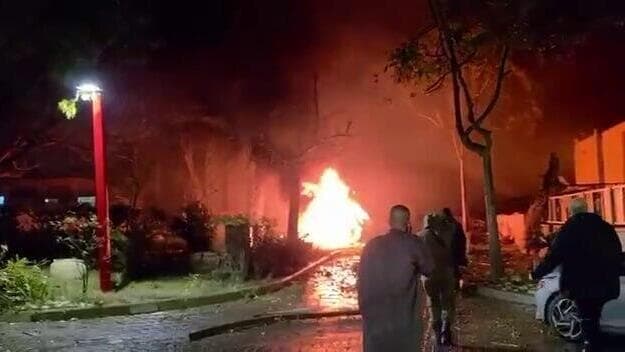
Iranian missiles strike Dimona and Arad, injuring over 100.
47 sources compared
Israel and U.S. Strike Natanz Nuclear Facility Again; Iran Blames Attack
69 sources compared

Iran Attacks Diego Garcia with Long-Range Missiles, Targeting U.S.-UK Base
82 sources compared
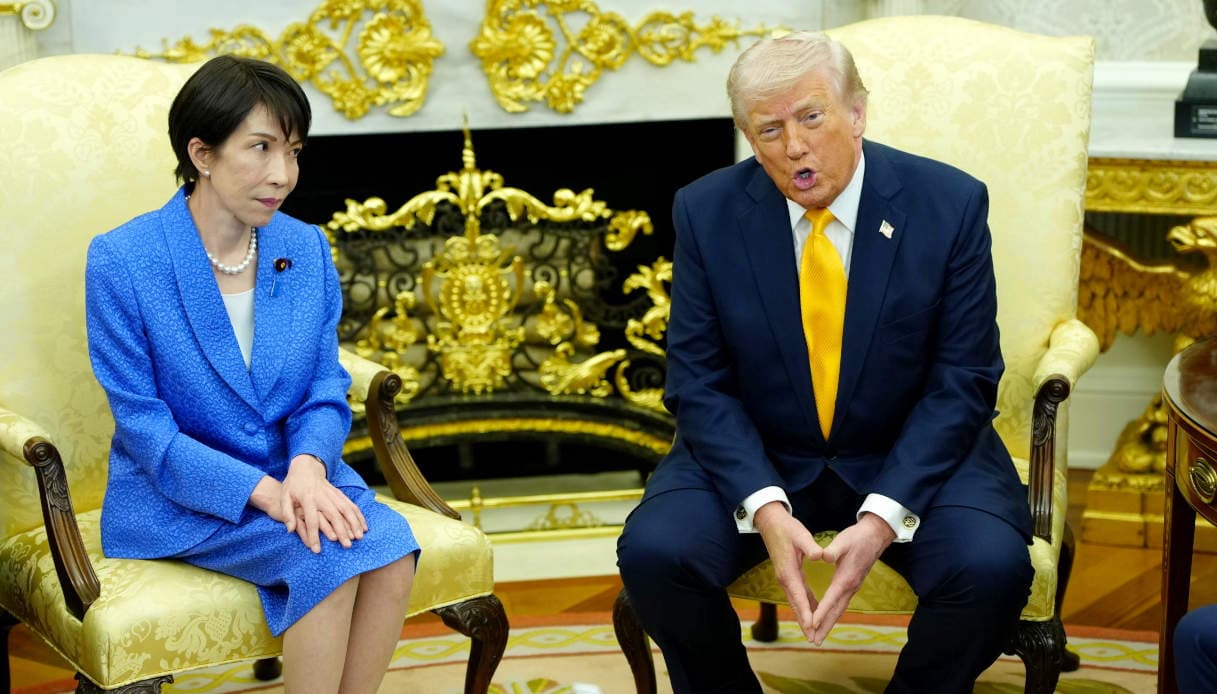
Trump Defends Iran War by Citing Pearl Harbor
12 sources compared