
U.S. And Israeli-Led Strikes Disrupt Strait of Hormuz, Pushing Oil Markets Toward Red Zone
Key Takeaways
- Oil markets expected to enter red zone by mid-summer as stocks dwindle amid Iran crisis.
- IEA says reopening the Strait of Hormuz is the key solution to the energy shock.
- Prices pressured globally amid dwindling stocks and Middle East export shortages.
Hormuz shock spreads
The Iran War has triggered overlapping economic shocks that the National Interest describes as an “economic polycrisis,” with the Strait of Hormuz disruption compounding an energy and commodity shock on top of other pressures.
“Oil markets could soon enter a "red zone" as global stocks deplete and as demand picks up during the summer travel season, the head of the International Energy Agency warned on Thursday”
The CNBC report says IEA Executive Director Fatih Birol warned oil markets “may be entering the red zone in July or August” as global stocks erode and demand rises during the summer travel season.
CNBC also reported that “Typically, roughly 20% of the world's oil and liquefied natural gas passes through the Strait of Hormuz,” while shipping traffic “has virtually halted since U.S. and Israeli-led strikes against Iran started on Feb. 28.”
In the National Interest’s framing, the Strait of Hormuz normally carries “roughly 30 percent” of nearly a third of the world’s semiconductor manufacturing, and the lack of access is drawing concerns among chip manufacturing hubs in Asia.
The National Interest adds that disruptions in petrochemical supply chains are already leading to significant price increases, while the US tariff regime “in place since mid-2025” and prior crises have exhausted corporate adaptation strategies.
Ceasefire shifts prices
Al Jazeera Net reported that a two-week ceasefire between the United States and Iran quickly redrew oil pricing, easing the immediate shock without fully removing the risk premium.
The outlet said traders in the weeks ahead would watch “the pace of reopening passage through the Strait of Hormuz,” “the extent of damage to energy facilities in the region,” and “the durability of the ceasefire agreement.”

Al Jazeera Net cited Bloomberg and Westpac commodity analyst Robert Rennie, saying restarting shut-in wells, returning crews and ships, repairing refineries, and completing inventories are operations that “could take months even if a ceasefire is established.”
The same Al Jazeera Net report quoted energy economist Amer Al-Shobky describing the market shift as “a rapid shift from pricing the scenario of total disruption to pricing a fragile ceasefire.”
It also said the ceasefire-era oil retreat was accompanied by an immediate improvement in sentiment and a gradual return of liquidity as investment funds shifted from selling and hedging to rebuilding positions.
What’s at risk next
The Guardian reported that Fatih Birol warned oil markets will enter the “red zone” by July and August as stocks dwindle before the summer travel season amid a shortage of fresh oil exports from the Middle East.
“Accessibility helpSkip to navigationSkip to main contentSkip to footer > The energy crisis may just be starting Subscribe to unlock this article Try unlimited access Only £1 for 4 weeks Then £59 per month”
The Guardian also quoted Birol saying he had “never seen the dark and long shadow of geopolitics so dominant in the energy sector,” and it reported he said 14m barrels of oil a day were missing from the market because of the disruption.
The Guardian further said Birol saw no prospect of oil production recovering fully for at least a year, including in the United Arab Emirates, and said some countries heavily dependent on oil revenues could find it impossible to reinvest for many years.
In parallel, the National Interest warned that the Iran War layers an acute energy and commodity shock on top of other pressures, reducing governments’ and central banks’ capacity to use standard tools to address any one shock effectively.
The National Interest concluded that the scope of interaction effects varies across regions and that governance policy options and capital injections will be in short supply as the shocks compound.
More on Iran
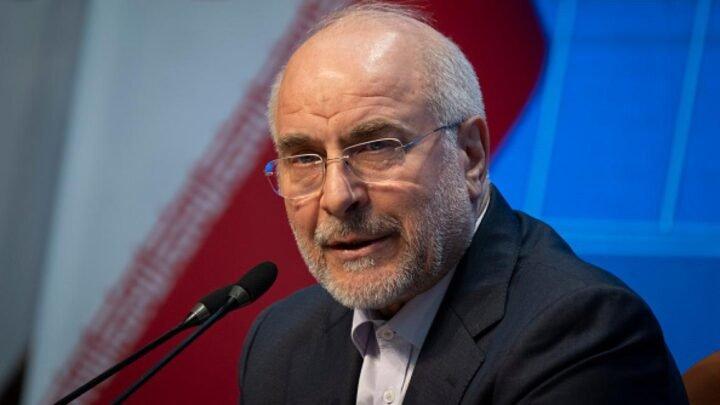
Iran Condemns Donald Trump’s One Shot Threat Against Ali Khamenei Funeral Leaders
11 sources compared
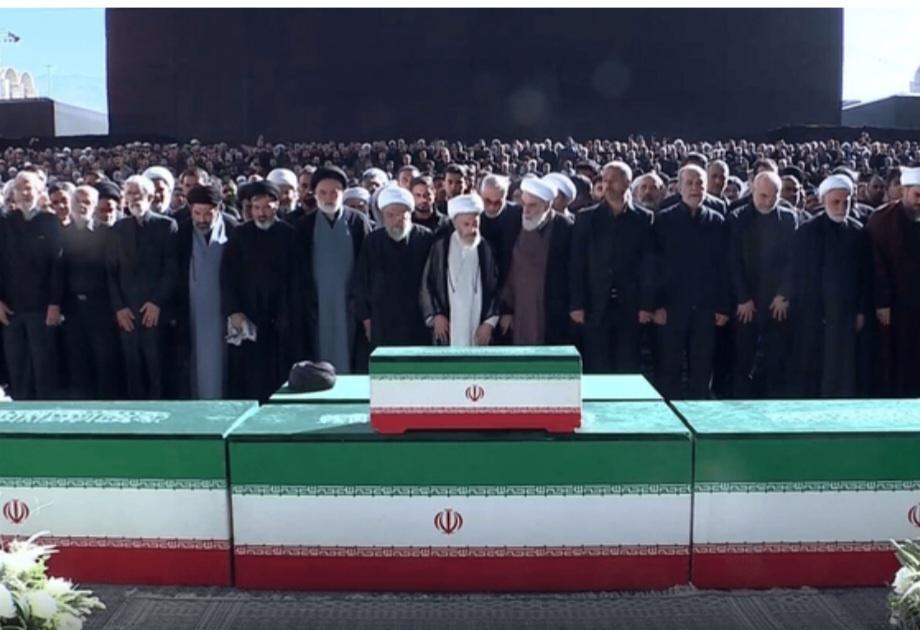
Iran Holds Week Of Ceremonies For Ayatollah Ali Khamenei Funeral In Tehran After US-Israeli Airstrike
12 sources compared
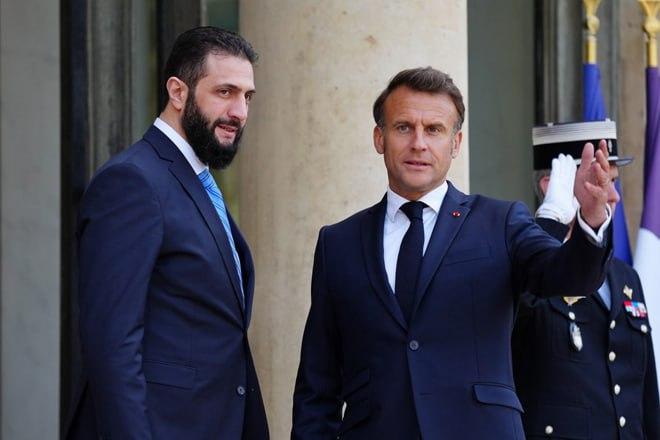
Emmanuel Macron Expected To Visit Damascus To Reinforce Economic Cooperation With Syria
24 sources compared

Trump Tells Axios Netanyahu Knows Who the Boss Is Ahead of White House Meeting
18 sources compared