Full story
Deal Approved, Details Still Fluid
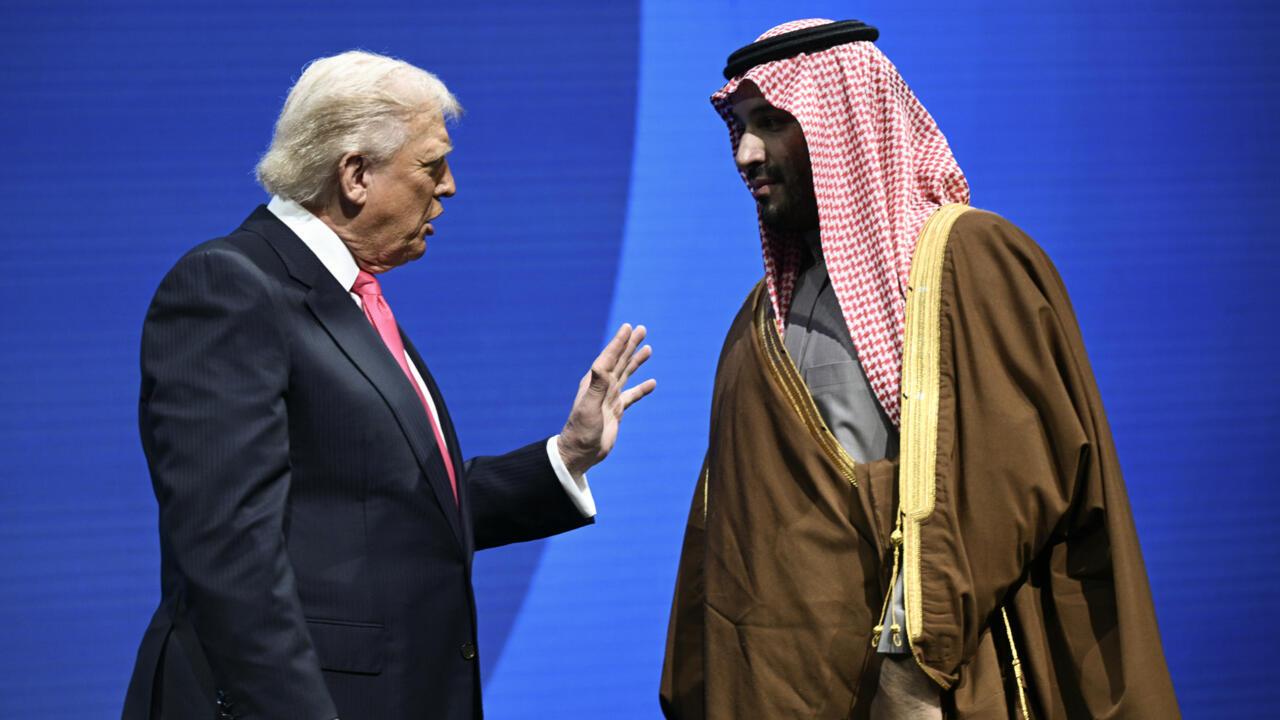
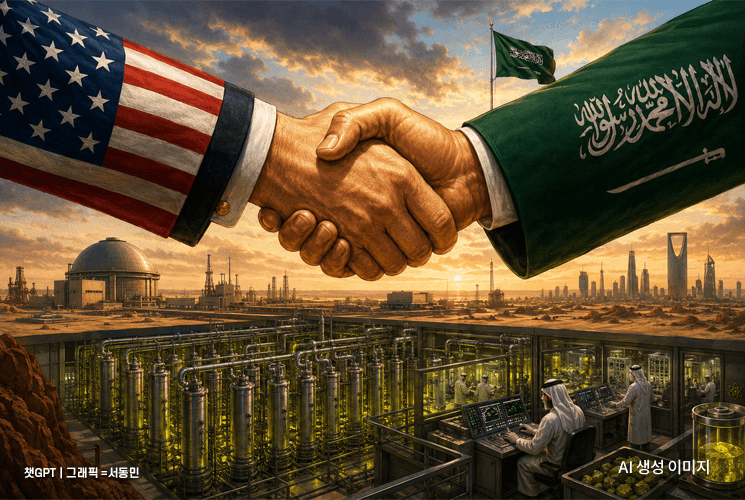
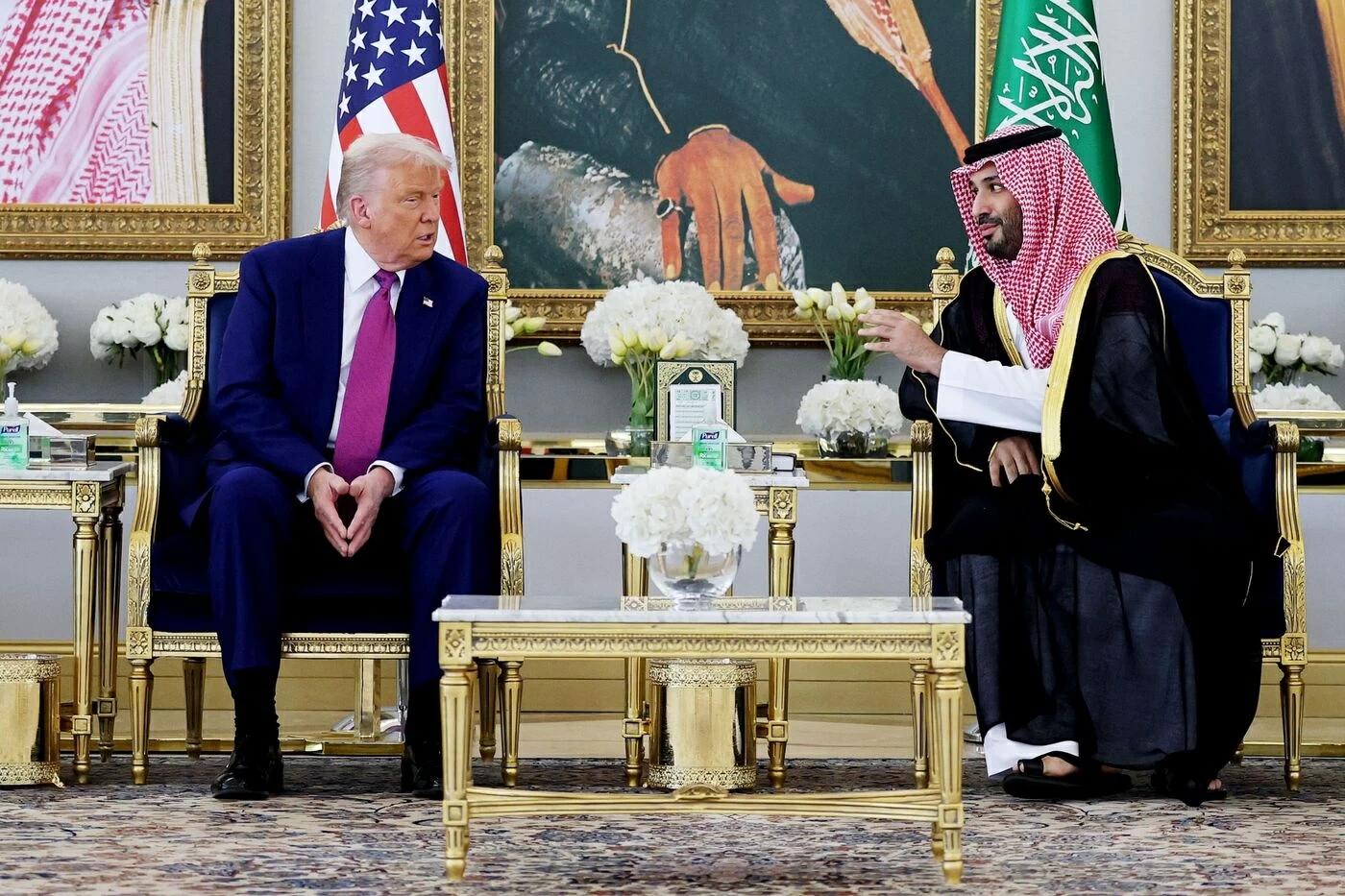
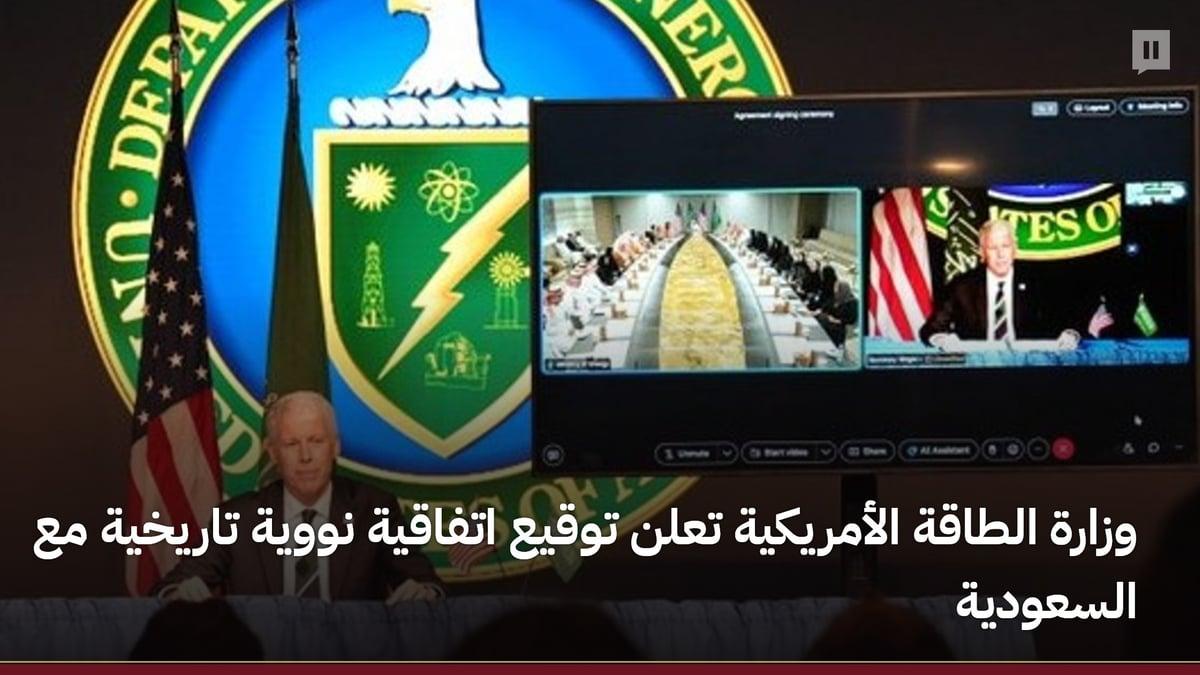
The United States is set to announce an agreement with the Kingdom of Saudi Arabia that would provide Riyadh with a civil nuclear program, with American media outlets reporting that the Trump administration intends to sign the deal and announce it officially on Wednesday.
The Wall Street Journal said a 30-year provision would allow American companies to build a uranium enrichment facility in Saudi Arabia if a joint study concluded that such a move is justified, while the New York Times reported the plan was based on two American officials speaking on condition of anonymity.
U.S. Secretary of State Marco Rubio, asked about the matter on the sidelines of the ASEAN meeting in Manila, refused to confirm the existence of such an agreement and referred any potential announcement to the White House.
Rubio also affirmed that the United States will never sign an agreement with any country that would pose a risk of nuclear weapons proliferation, as the deal is expected to be presented to Congress in the coming days even though approval is not a prerequisite for moving forward with implementation.
Opposition and Proliferation Fears
American lawmakers from both parties and Israeli officials voiced opposition to any civil nuclear project for Saudi Arabia, expressing concerns that it could ultimately be used to manufacture nuclear weapons.
The Wall Street Journal and other outlets described a clause that would permit American companies to build a uranium enrichment complex in Saudi Arabia if a joint study finds it justified, while NBC News reported the deal is not expected to include a ban on uranium enrichment or reprocessing of spent nuclear fuel.

In Israel, former Israeli Prime Minister Naftali Bennett criticized President Donald Trump’s approval of a US-Saudi agreement allowing Riyadh to establish a civil nuclear program, saying the nuclear deal being worked on is a dangerous strategic failure that threatens Israel’s national security.
Bennett said Israel is not at the negotiating table but is absent from it, and under the outgoing Netanyahu government, Israel is no longer even in the decision-making rooms.
Congress, Safeguards, and Next Steps
The agreement is expected to be submitted to the U.S. Congress in the coming days, with NBC News saying Congress will be required to vote but would need a veto-proof majority to actually block it.
NBC News also reported that the text of the deal has not been released and that the administration has not publicly outlined its details, while three people familiar with the agreement said it would not require the most rigorous level of U.N. inspections or include a ban on uranium enrichment or reprocessing of spent nuclear fuel.
NBC News quoted Darya Dolzikova of the Royal United Services Institute saying any deal without appropriate guardrails would be “concerning from a proliferation perspective,” and she added that countries of proliferation concern have to be “really, really robust on their nonproliferation provisions.”
The stakes extend beyond enrichment mechanics, as NBC News reported that the deal comes as the war against Iran that the U.S. and Israel launched in late February goes on, with Trump insisting Tehran should not be able to develop a nuclear weapon even as the Islamic Republic denies it plans to do so.