Full story
US-Saudi strikes in Iraq
A coordinated exchange of attacks this week between Saudi Arabia and armed groups operating from Iraq has raised escalation fears and forced Iraqi Prime Minister Ali Al Zaidi to postpone a planned visit to Saudi Arabia on Thursday, The National reported.
“Iraqi Prime Minister Ali Al Zaidi was forced to postpone a planned visit to Saudi Arabia on Thursday”
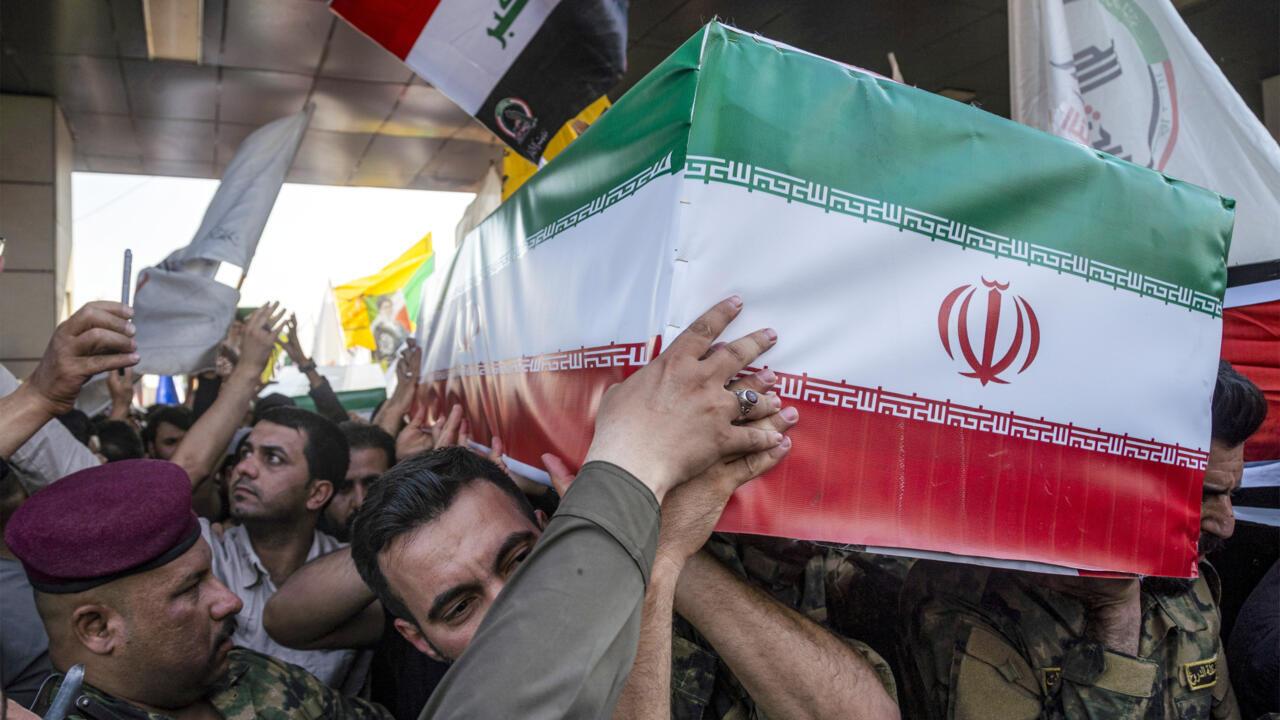
The National said the US and Saudi Arabia carried out coordinated strikes after Saudi Arabia reported it had intercepted drone attacks on its oil facilities by Iran-aligned militias in Iraq, and it put the death toll at at least 20 members of Iraq's Popular Mobilisation Forces (PMF).
Kurdistan24 said Iran condemned the joint US-Saudi airstrikes in Iraq as a violation of Iraqi sovereignty and international law, while also saying Qatar reaffirmed its support for Saudi Arabia after drone attacks targeted the kingdom's oil infrastructure.
The Guardian described the Wednesday strikes as pushing the region into “uncharted territory,” warning that the conflict was becoming increasingly “unpredictable,” after Riyadh publicly joined the US in striking sites associated with the PMF.
Condemnations and political fallout
Iran’s Ministry of Foreign Affairs denounced the strikes in a statement carried by Kurdistan24, saying they constituted "a clear violation of Iraq's national sovereignty and territorial integrity," and Tehran also said the attacks served the interests of the United States and Israel by seeking to expand the conflict.
In Iraq, the Iraqi presidency condemned the US-Saudi air strikes targeting PMF sites, with TRT World quoting the presidency saying, "Targeting official security institutions is incompatible with the rules of international law and the UN Charter," after the PMF said at least 20 of its members were killed and 32 others injured.

The Guardian reported that in Baghdad the Iraqi presidency called the air raids on the PMF, also known as al-Hashd al-Shaabi, “a blatant violation of Iraq’s sovereignty, targeting its official institutions”.
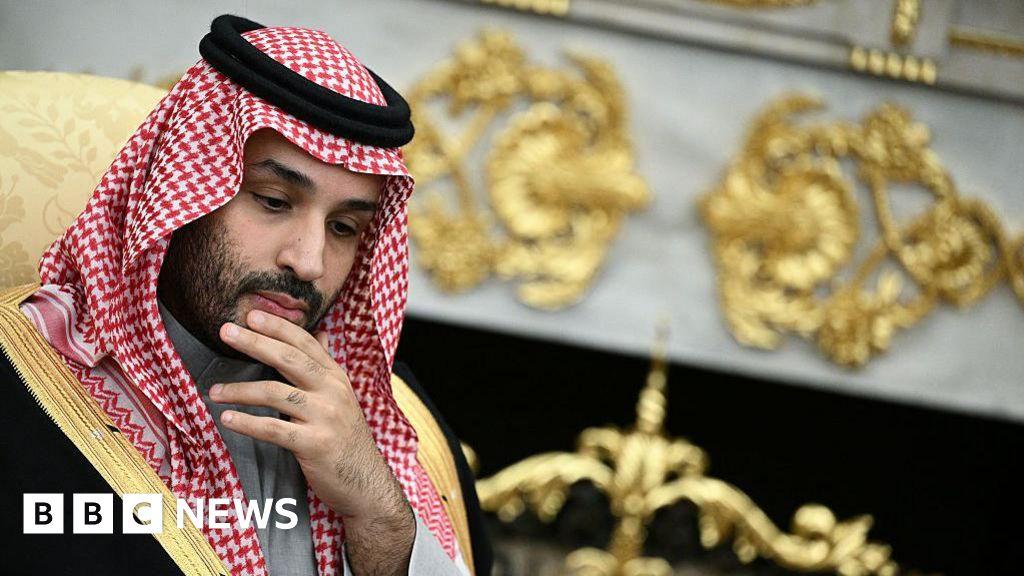
The Guardian also said Iraqi Prime Minister Ali al-Zaidi called off a planned meeting with Saudi Arabia’s Crown Prince Mohammed bin Salman in Jeddah on Thursday in the wake of the strikes.
What comes next for the war
The National reported that Douglas Silliman, former US ambassador to Iraq and Kuwait and now head of the Arab Gulf States Institute in Washington, said Ali Al Zaidi faced a tight position and that the question was whether he had “the personal will and political support to take significant action to curb the ability of Iranian proxies in Iraq to attack Iraq’s neighbours,”.
““the personal will and political support to take significant action to curb the ability of Iranian proxies in Iraq to attack Iraq’s neighbours,””
The National also quoted a US pledge to remove its military forces from Iraq by September as giving Al Zaidi “a political lever to use against the militias,” by saying there “wouldn’t be a justification” for keeping their weapons, while an Iraqi official said the attack on Saudi Arabia was “a move to stop the planned visit to the kingdom and to prevent the enhancement of Iraqi-Saudi ties”.
CBS News said the US military’s Central Command (CENTCOM) had redirected 24 commercial vessels since restarting a blockade on Iranian ports earlier this month, and it reported that the US had boarded two ships accused of violating it and fired at two other ships to disable them.
Fox News reported that President Donald Trump said Iran was “going to get a beating” for the attempted overnight missile attack against U.S. forces in Jordan, and it said CENTCOM confirmed new US strikes on Iran at 8 p.m. ET Wednesday as a “powerful response” to attempted Iranian attacks on American military forces.