Technology and Science17 June, 20262 min read
U.S. Commerce Secretary Howard Lutnick Pushes Trusted Partners Access After Anthropic Export Ban
This article is an automated aggregation of coverage from news outlets. Our editorials offer in-depth analysis curated by the NewsCord team.
The U.S. banned foreign access to Anthropic frontier models, prompting allied concerns. G7 discussions considered a 'trusted partners' framework to grant limited access.
Anthropic access cut
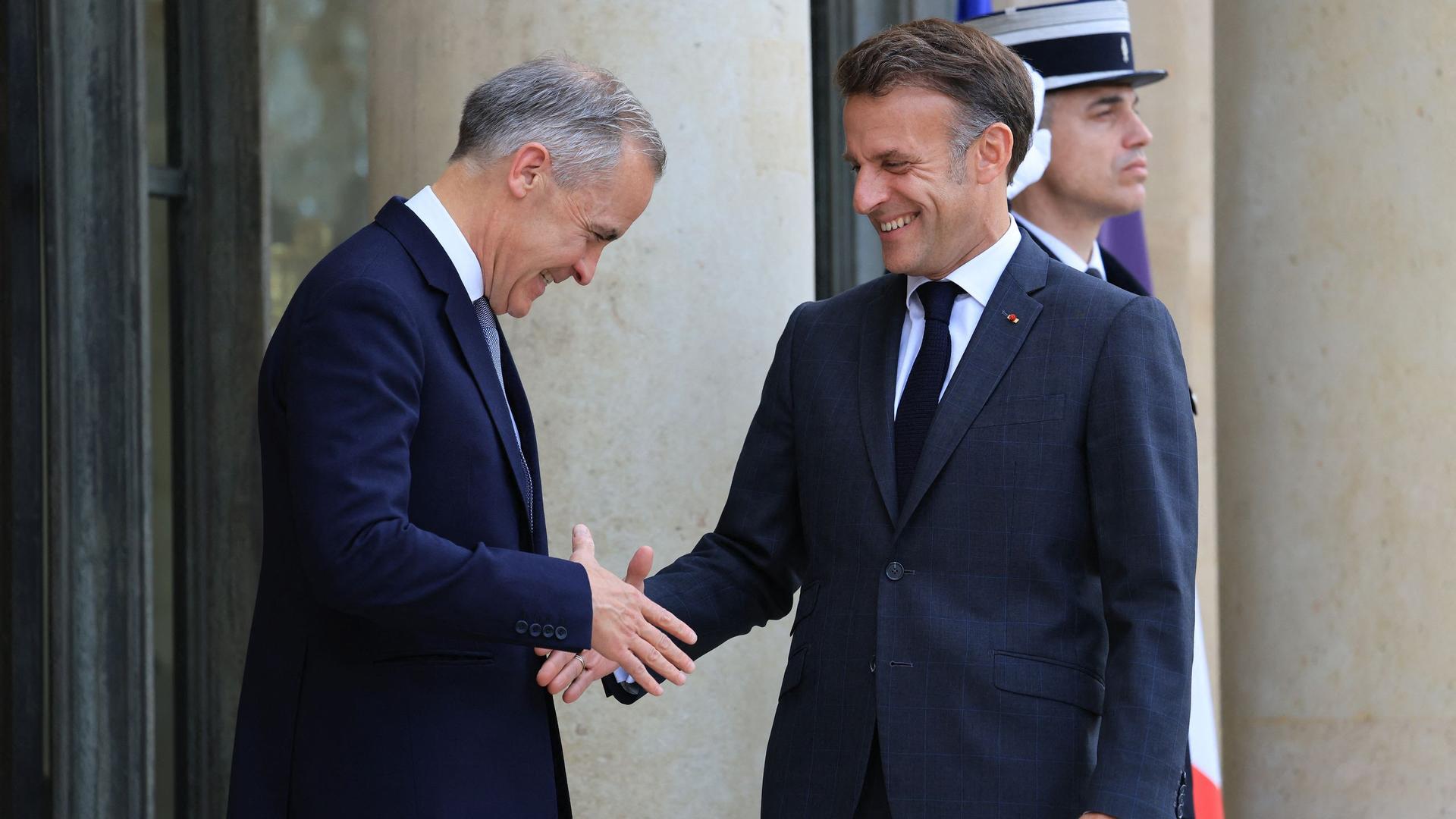
Just days after the U.S. government banned foreign nationals from using Anthropic’s most powerful artificial intelligence models, executives from top labs urged Western democracies to work together at a G-7 summit, with the White House export ban casting a shadow over the meeting.
The export controls targeted Anthropic’s latest Mythos 5 and Fable 5 models for non-US citizens, and the administration’s move followed concerns raised by Amazon about cybersecurity risks, according to the Center for European Policy Analysis (CEPA).

CEPA said Anthropic disagreed with the government’s rationale and suspended access for everyone, including US citizens, after the Commerce Department ordered Anthropic to cut off access for non-US citizens within ten days of a voluntary executive order.
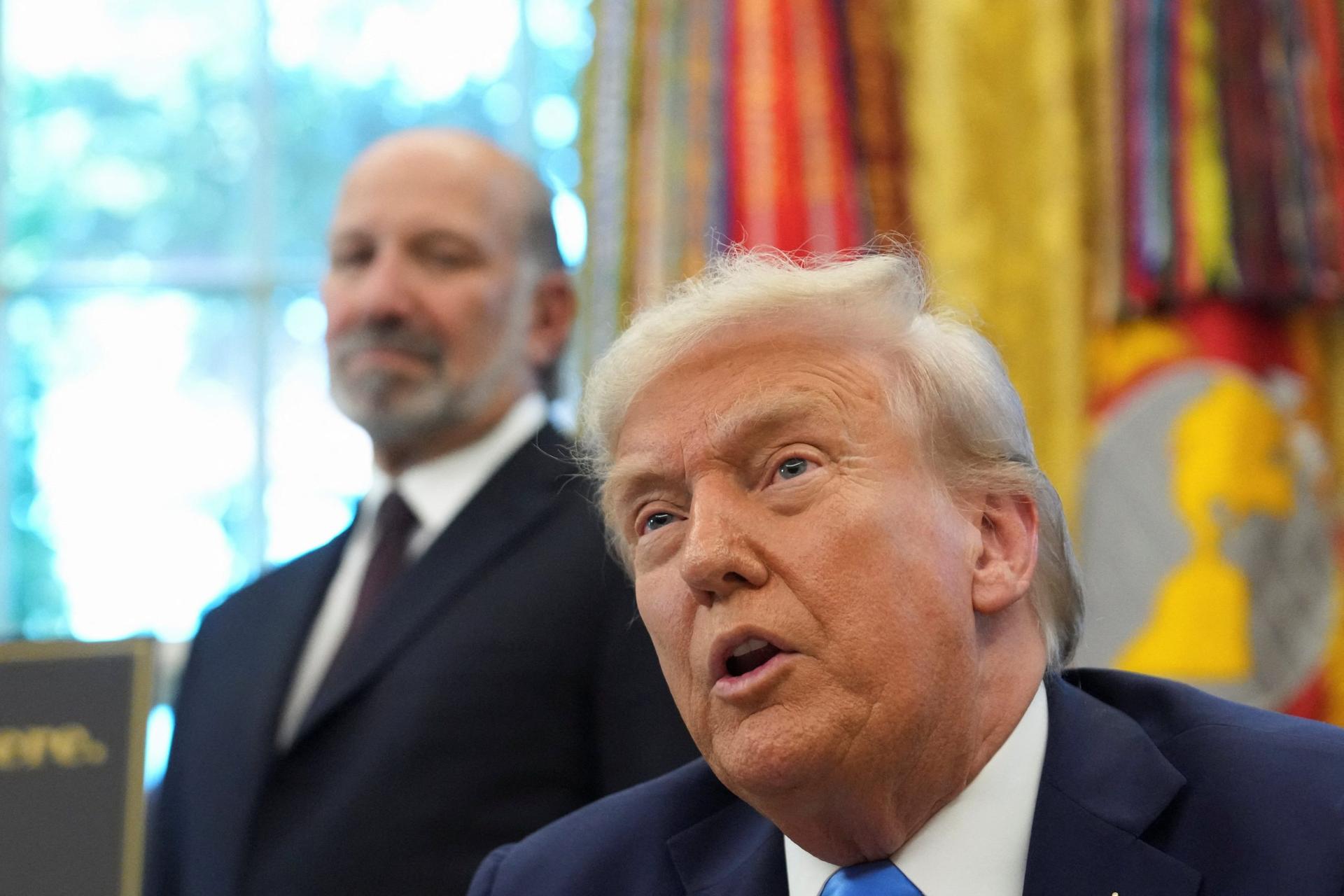
At the G7 summit in France, U.S. Commerce Secretary Howard Lutnick pitched giving “trusted partners” privileged access to the latest frontier models, as CEPA described the proposal as an attempt to manage allied access under the new restrictions.
Allies scramble, leaders warn
European leaders were alarmed by the sudden export bans, with CEPA reporting that the ban reinforced fears the U.S. government would wield a “kill switch” to limit access to cutting-edge AI. In a volatile European Parliament debate, Aura Salla, a former Meta executive turned European parliamentarian, said, “Europe cannot keep building its tech stack on access that can be switched off overnight by a foreign government,” as CEPA quoted her.
TechCrunch reported that at the G7 Summit, French President Emmanuel Macron warned that if the U.S. “from one day to the next can turn off the switch,” it could harm both the economies of European customers and the AI firms themselves. TechCrunch also said Prime Minister Narendra Modi voiced concern about Trump’s move to block Anthropic’s model, and it quoted Aidan Gomez, co-founder and CEO of Cohere, saying, “Digital sovereignty is not just about market competition or any one company or nation.”
Trusted partners and stakes
Beyond the immediate Anthropic dispute, G7 leaders discussed a “trusted partners” scheme that would grant limited access to U.S. frontier models developed by AI giants like Anthropic, according to three diplomatic sources cited by The News International.
The News International said the talks involved U.S. Commerce Secretary Howard Lutnick on the sidelines of the opening G7 summit dinner in the French lakeside resort of Evian-les-Bains, and it reported that no statement was expected on Wednesday when tech issues would be on the G7 agenda.
TechCrunch framed the stakes as resilience and critical infrastructure, saying the episode exposed a risk that any company or government building on U.S. AI infrastructure must reckon with the possibility that access can be revoked overnight.
In the same TechCrunch account, Macron said it would make sense for Washington to back such a scheme and ensure Mythos access was granted more broadly, while the article described the uncertainty over how far the trusted partner framework would extend.