Gaza Genocide16 October, 20253 min read
US Confirms Hamas Did Not Violate Gaza Ceasefire as Israel Threatens to Resume Fighting
US officials confirm Hamas has not violated the Gaza ceasefire agreement. Hamas returned four deceased Israeli hostages and released 20 surviving captives.

53 outlets told this the same way.
Gaza Ceasefire and Military Actions
Senior U.S. advisors told i24NEWS the situation in Gaza does not constitute a breach of the U.S.-brokered ceasefire. This is despite Israel threatening to restart its campaign if the militant group does not return more bodies and disarm. U.S. officials, as reported by Букви, said delays in returning bodies are not violations because the deal mandated release of living hostages.
“Senior U.S. advisors told i24NEWS that the current situation in Gaza is not seen as a violation of the U.S.-brokered ceasefire with Hamas, describing the deal’s implementation as complex but progressing.”
Israel’s leadership has warned it will resume military action if the militant group does not comply on remains and disarmament. Israeli Defense Minister Israel Katz also warned operations could resume over missing remains. The Independent reports that Donald Trump warned Israel might resume operations if the militant group does not disarm.
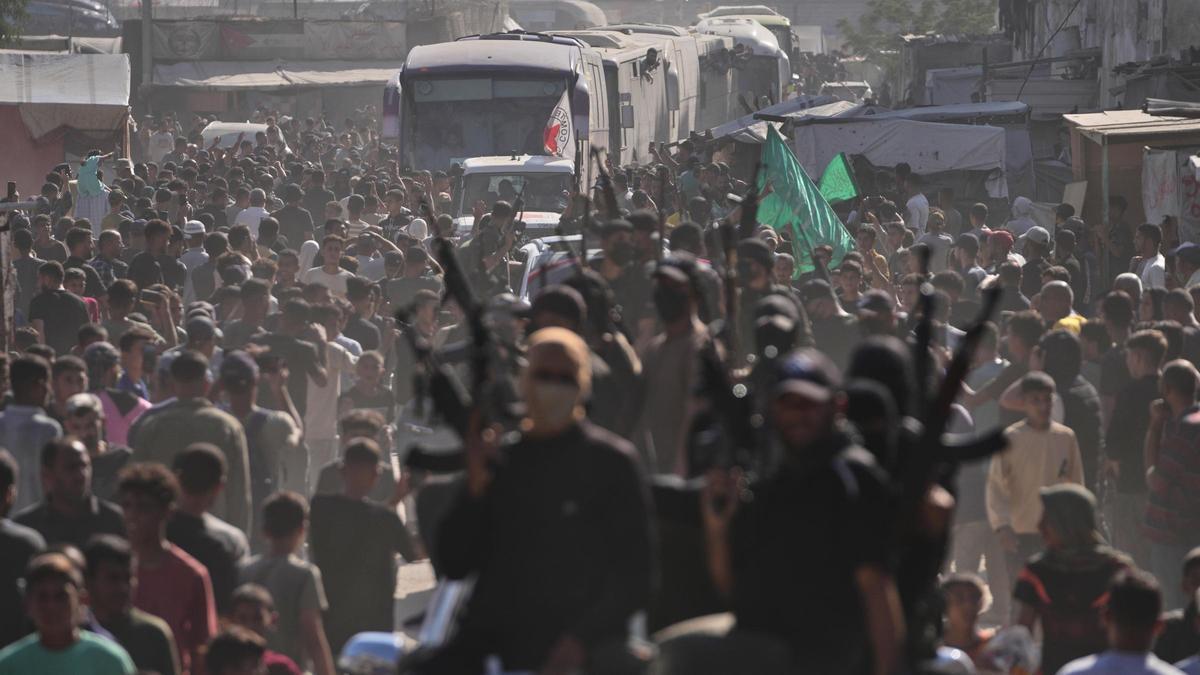
In parallel, U.S. interlocutors say Phase One is complete and implementation is progressing. The focus is now shifting to Phase Two tasks like deconfliction, continuous aid, remains recovery, and demilitarization.
Ceasefire Violations in Gaza
Even as U.S. advisors say the ceasefire stands, Israeli forces have shot and killed Palestinians during the truce period. France 24 reports Israeli fire killed three Palestinians in Gaza, while DW reports Israeli forces killed at least six Palestinians in border incidents. CNN notes the Israeli military fired on Palestinians near Gaza military sites, marking the first gunfire since the truce began.
BreakingNews.ie reports Israel warned it would target militants near deployment lines. Al-Jazeera Net says bombings in Gaza continue sporadically despite the ceasefire. These incidents show Israel using lethal force against Palestinians during the truce window while maintaining threats to escalate if Hamas does not comply on remains and disarmament.

Israel's Aid Control and Rafah Crossing
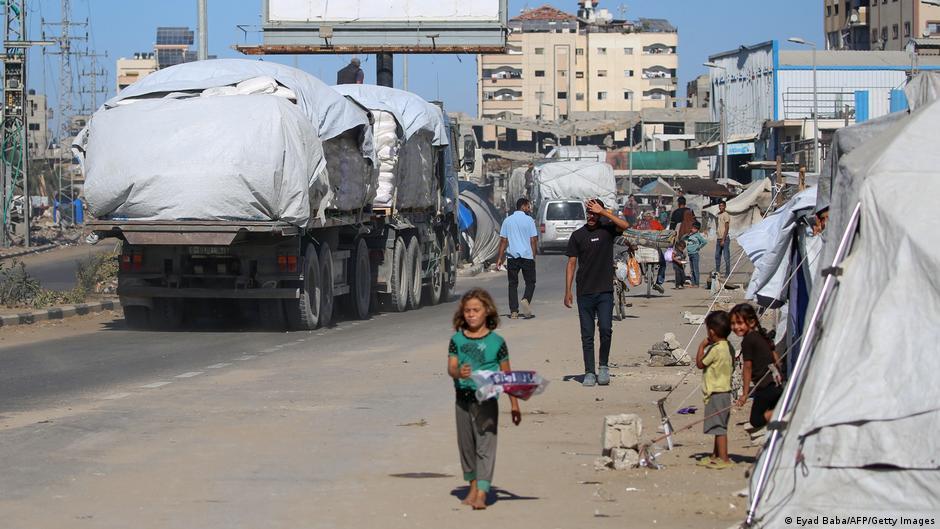
Israel has tightened control over aid as leverage on the return of remains. CBC reports that Israel cut humanitarian aid and kept the Rafah crossing closed after Hamas returned only a fraction of deceased hostages. Sky News states that Israel reduced aid deliveries amid delays in returning bodies.
“In response, Israel has reduced humanitarian aid to Gaza and kept the Rafah border crossing closed.”
World Israel News reports that Israel will not reopen Rafah due to unmet conditions. RTL info says Israel plans to reopen Rafah for humanitarian aid. The Independent describes conflicting reports regarding the reopening of Rafah.
The Guardian adds that Israel threatened to restrict aid if Hamas delayed returning bodies. Aid groups and the United Nations are pressing Israel to open more crossings.
Body Exchanges and Allegations in Conflict
Body exchanges reveal serious accusations between the parties involved. BBC reports that Hamas returned four Israeli bodies while holding 24 more, which led Israel to restrict aid and delay the reopening of Rafah. Business Standard notes that Israel received eight bodies and plans to reduce aid due to these delays.
CNN reports that Gaza health authorities received 45 Palestinian bodies from Israel, many showing signs of violence. The Guardian states that many returned Palestinian bodies exhibit signs of execution.

Sky News cites forensic reports suggesting mistreatment of the bodies. Additionally, some sources report that Hamas has executed alleged collaborators, adding another dimension of abuse to the conflict's brutality.
Gaza Stabilization and Aid Plans
Washington and partners are shifting to a stabilization agenda even as Israel threatens more force. i24NEWS says Phase Two prioritizes deconfliction, continuous aid, remains recovery, and preparing for demilitarization and reconstruction, with an International Stabilization Force under U.S. planning. Haaretz details a U.S.-proposed technocratic Palestinian administration drawn from the diaspora, separate from Hamas and the Palestinian Authority, plus safe zones and a stabilization force.
“The U.S. is now focused on Phase Two, which involves maintaining deconfliction, ensuring continuous aid delivery, recovering remains, and preparing for Gaza’s demilitarization and reconstruction. Despite challenges like widespread destruction and unexploded ordnance, efforts to recover bodies continue with U.S. coordination through mediators and CENTCOM.”
Business Standard and 6abc say Egypt proposed a 15-member technocrat administration. EL PAÍS Uruguay reports mediators eye a deal keeping Israeli control over much of Gaza while withdrawing from many urban areas. France 24 adds the UN has declared a famine in Gaza—disputed by Israel—underscoring the urgency of aid and governance changes.