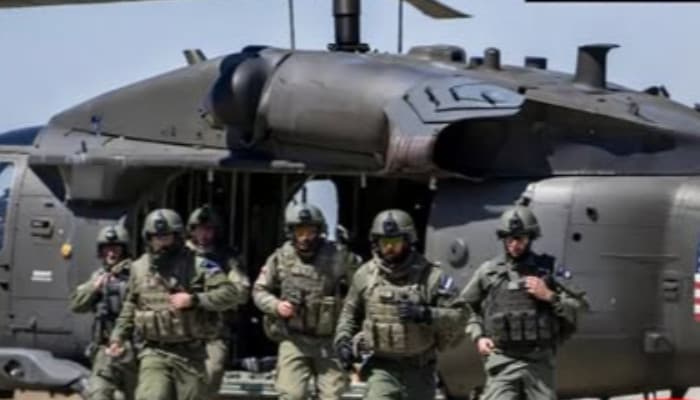
U.S. to deploy troops to Middle East amid Iran war; numbers vary by report.
Key Takeaways
- 82nd Airborne troops expected to deploy to the Middle East, with 1,000–3,000 reported.
- Deployment described as planning, not final, with multiple outlets noting varying troop numbers.
- Trump claims negotiations with Iran to end the war while officials weigh possible deployments.
Troop Deployment Plans
The Pentagon is preparing a significant military escalation by deploying approximately 3,000-4,000 elite troops from the U.S. Army's 82nd Airborne Division to the Middle East as part of Operation Epic Fury against Iran.
“Donald Trump says the United States is in negotiations with Iran to end the war as the Pentagon reportedly prepares to deploy thousands more troops to the Middle East”
According to multiple reports, the deployment will include a combat brigade from the division's 'Immediate Response Force' capable of deploying anywhere in the world within 18 hours, along with headquarters elements for mission planning and coordination.
The Wall Street Journal reported that a written deployment order was expected within hours, citing two U.S. officials, while CBS News confirmed the deployment would include ground forces and a command element.
The 82nd Airborne Division, based at Fort Bragg, North Carolina, specializes in parachute assaults and rapid response operations, making it uniquely suited for potential contingency operations in the escalating conflict with Iran.
This deployment follows the recent cancellation of a major training exercise for the division, which had already fueled speculation about potential Middle East deployment amid rising tensions.
Conflict Escalation Context
The deployment represents a significant escalation in the U.S.-Iran conflict, which entered its fourth week with over 9,000 U.S. strikes already conducted against Iranian targets since February 28.
The buildup comes amid contradictory signals from Washington and Tehran regarding potential diplomatic negotiations, with President Trump claiming 'productive' talks while Iranian officials deny any negotiations have taken place.

According to Reuters, the U.S. military has carried out strikes against 9,000 targets inside Iran, including damaging or sinking over 140 Iranian naval vessels, disrupting global shipping and sending oil prices soaring.
The Express Tribune reported that while no decision had been made to send troops into Iran itself, the forces will 'build up capacity for potential future operations in the region.'
This follows earlier deployments of Marines from the USS Boxer, USS Portland, and USS Comstock, which departed San Diego last week as part of the military's escalating response to regional tensions.
Potential Mission Scenarios
Military planners are reportedly considering several contingency scenarios for the newly deployed forces, with potential missions focusing on securing strategic Iranian infrastructure.
“Live updates: US to deploy around 1,000 troops from the 82nd Airborne Division to the Middle East The move comes as Lebanon’s relations with Iran have deteriorated since the last Israrel-Hezbollah war in 2024, with ties souring further over the past month since the latest war between Israel and the militant group began”
According to The New York Times, one option being considered involves seizing Kharg Island, Iran's primary oil export hub that handles 90% of the country's oil exports.
The newspaper reported that U.S. officials have examined options including securing the Strait of Hormuz, potentially by deploying U.S. forces to Iran's shoreline, or targeting Iran's stockpile of highly enriched uranium.
The Intercept revealed that discussions have included sending forces to Kharg Island, with Sen. Lindsey Graham suggesting 'We did Iwo Jima. We can do this' when discussing potential operations.
The 82nd Airborne's capabilities make it particularly suited for such missions, as the division is trained for securing airfields, key infrastructure, and reinforcing U.S. embassies, though it lacks heavy armored vehicles that would offer protection against potential Iranian counterattacks.
Political and Economic Impact
The military buildup comes with significant political and economic implications, as public opinion turns against the escalating conflict and global markets react to heightened tensions.
A Reuters/Ipsos poll found that only 35% of Americans approve of the U.S. strikes on Iran, down from 37% in the previous week, with 61% disapproving of the military action.

According to azcentral, President Trump's approval rating fell to 36%, its lowest point since he returned to office last year, with Americans increasingly disapproving of his handling of the economy and his decision to join Israel in strikes on Iran.
The economic fallout has been substantial, with oil prices remaining above $100 per barrel and gas prices approaching $4 per gallon nationwide.
Amazon's data center operation in Bahrain has been 'disrupted' amid the conflict, with drone activity in the area causing the disruption. Meanwhile, diplomatic efforts continue, with Pakistani Prime Minister Shehbaz Sharif offering to host talks between Washington and Tehran, while Turkey's President Erdogan said his country 'will continue working with all its resources to establish peace in the Iran war.'
More on Iran

President Trump says talks underway to end war with Iran; Iran denies talks.
15 sources compared

Pakistan PM Sharif Offers to Host US-Iran Talks to End Middle East War
17 sources compared
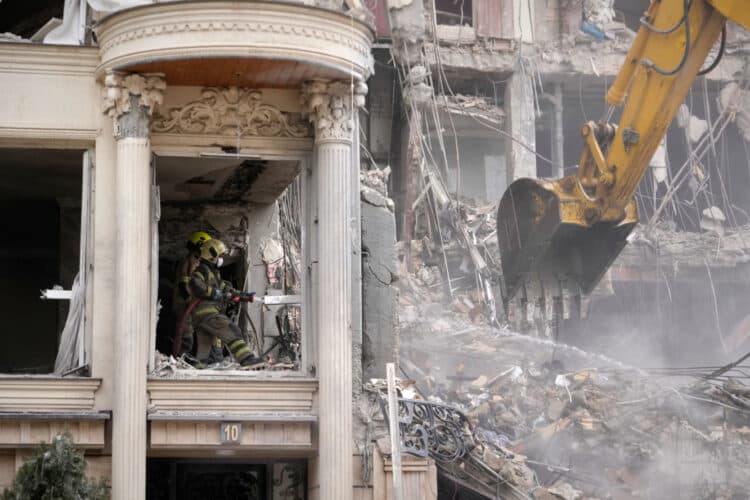
President Donald Trump Pauses Iranian Strikes on Energy Infrastructure for Five Days
12 sources compared
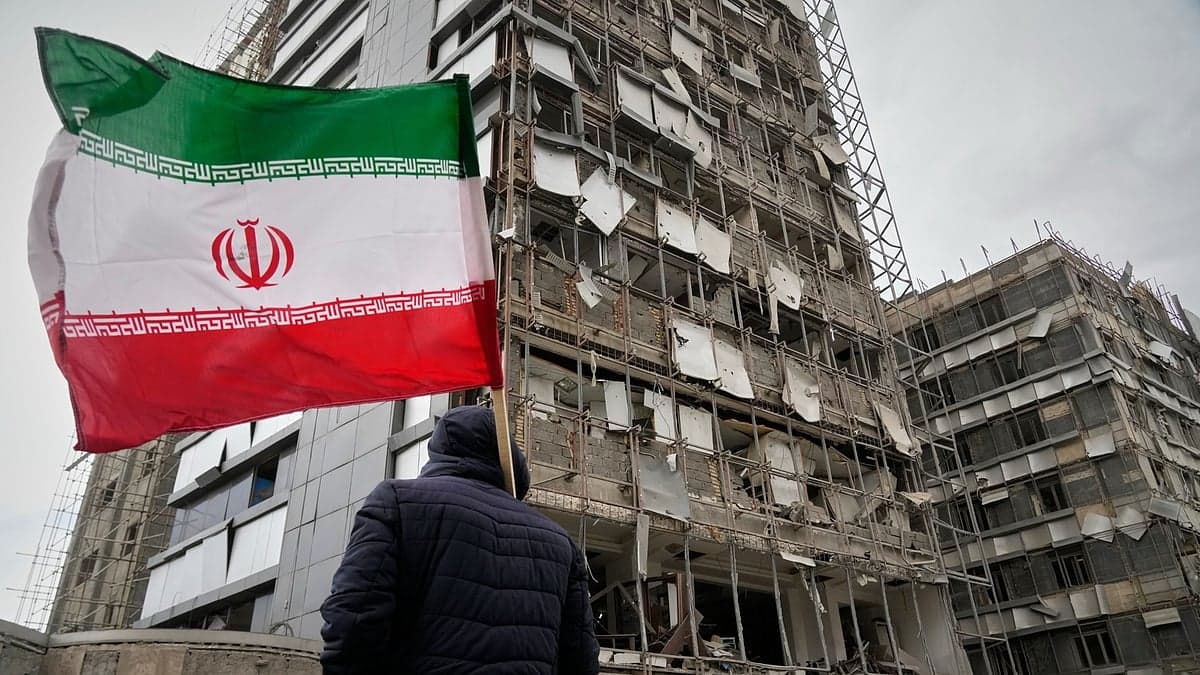
US Reaches Out to Iran via Intermediaries to Explore Ending the War.
15 sources compared