Technology and Science14 July, 20263 min read
US Ebola Patient Arrives in Germany After Trump Blocks Americans From Congo Flights
This article is an automated aggregation of coverage from news outlets. Our editorials offer in-depth analysis curated by the NewsCord team.
Trump administration barred US citizens in Congo from returning home on commercial flights. Do-not-board rules require Americans in Congo to wait 21 days outside Congo before reentry.
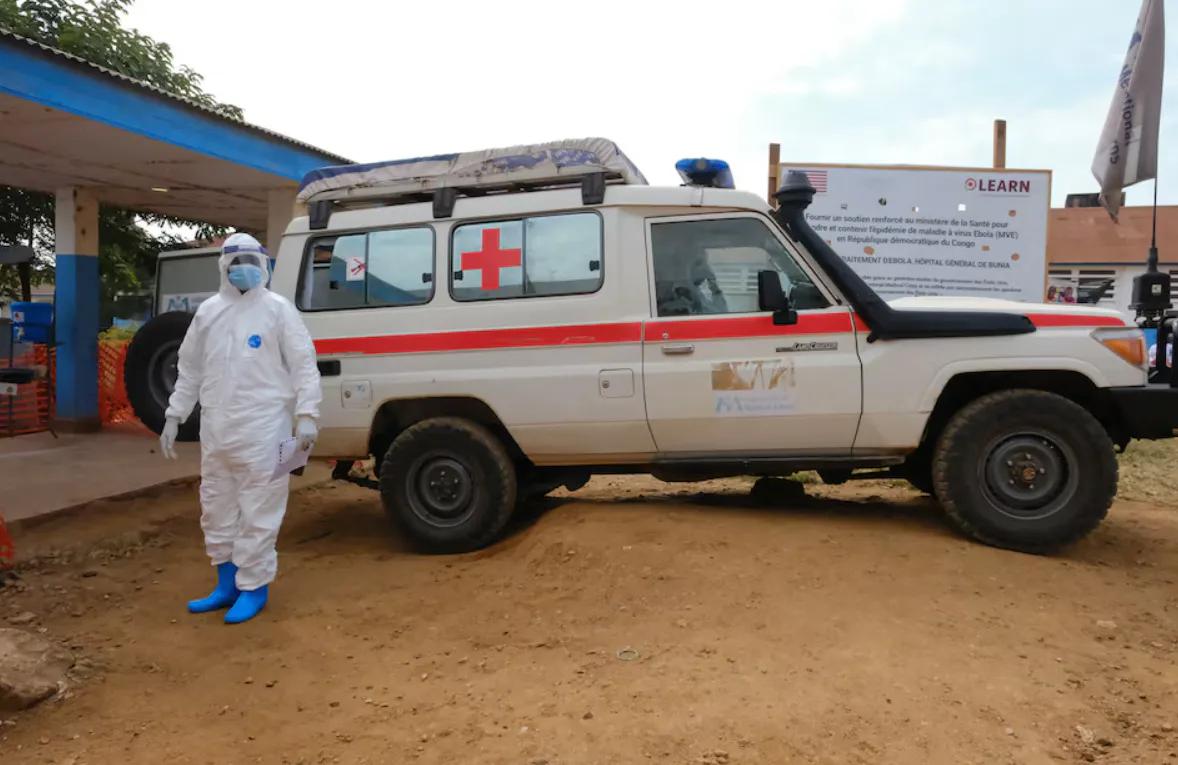
Ebola patient to Germany
A US national who contracted Ebola in the Democratic Republic of the Congo arrived in Germany for treatment, with the German health ministry in Berlin saying the patient landed in Frankfurt overnight and was transferred to the city’s university hospital. The World Health Organization said the man was a “humanitarian worker” who had been in Bunia, the capital of the north-eastern Ituri province of the DRC, where the outbreak is centered. The Guardian reported that the Trump administration on Monday said it was blocking American citizens in the DRC from traveling to the US on commercial flights under a transportation authority known as Title 49.
The German health ministry said the US patient represented “no danger for the general population or for other patients,” and added that the risk of someone infected with Ebola entering Germany is very low. The Guardian also said the WHO director-general, Tedros Adhanom Ghebreyesus, wrote on X that the patient had been safely transferred to Germany for continued follow-up care.

21-day travel restriction
In Washington, a U.S. official told CBS News that U.S. citizens who have traveled to the Democratic Republic of Congo cannot board a commercial flight to return to the U.S. unless they have spent at least 21 days outside the Central African nation.
CBS News said the Trump administration began imposing Title 49-authority travel restrictions on Monday, based on updated guidance on the Ebola outbreak from Health and Human Services Secretary Robert F. Kennedy, Jr.

The Economic Times reported that the order would place U.S. citizens in Congo or those who have recently left on a “do-not-board” list until they have spent at least 21 days in a third country.
The Economic Times said “Some two dozen Americans were set to board flights to the U.S. on Tuesday,” and that the State Department would support them and others affected during the waiting period.
CBS News added that U.S. health authorities are seeing greater community spread of Ebola into the western part of the DRC, and that the World Health Organization has reported 1,963 confirmed cases and 719 confirmed deaths in the country.
Border screening and stakes
While the US moved to restrict commercial travel, Le Monde reported that the United States announced on Monday, May 18, a strengthening of border health controls against the Ebola virus, including health checks for air travelers from affected areas.
Le Monde said the CDC announced entry restrictions for foreign nationals who have traveled to Uganda, the DRC or South Sudan within the past twenty-one days, and that the U.S. Embassy in Kampala announced the temporary suspension of all its visa services.
BFM reported that Donald Trump said the Ebola outbreak remained “confined for the moment to Africa,” while an American had tested positive for the virus in the Democratic Republic of the Congo.
BFM also quoted the CDC’s statement that “As of now, the CDC regards the immediate risk to the American public as low,” while the agency said it would continue to assess the situation and may adjust public health measures.
Le Monde with AFP said there is neither a vaccine nor a specific treatment for the strain responsible for spreading the disease, and it cited a Georgetown University policy director, Matthew Kavanagh, judging the U.S. response as “disappointing” and calling border controls “more theater than effective public health measures.”