USA05 September, 20262 min read
U.S. Embassy In Havana Issues Health Alert For Significant Rise In Diarrheal Diseases In Cuba
This article is an automated aggregation of coverage from news outlets. Our editorials offer in-depth analysis curated by the NewsCord team.
issued a health alert for diarrheal disease rise across Cuba Deteriorating water and energy infrastructure linked to outbreak, affecting water supply and temperature control
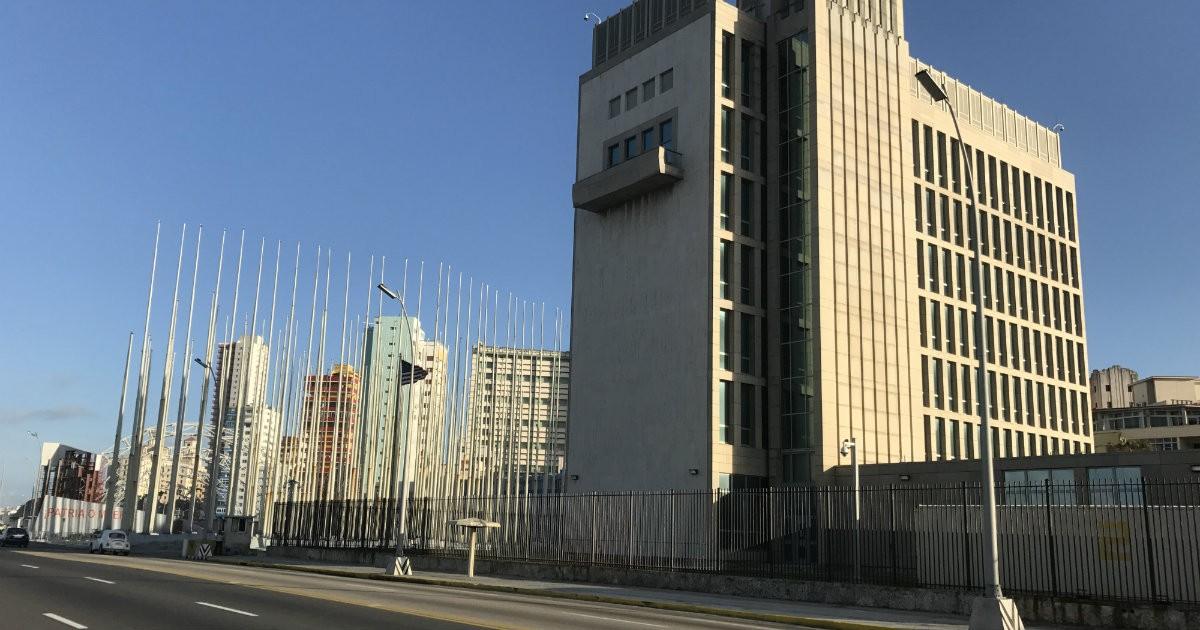
Health alert across Cuba
The U.S. Embassy in Cuba issued a health alert on September 4, 2026 saying it had observed a “aumento significativo” of diarrheal diseases “en toda Cuba,” linking the rise to the “continuo deterioro de la infraestructura de agua y energía.”
The embassy said the deterioration affects “el suministro de agua, así como el almacenamiento y el control de temperatura de los alimentos,” and it reported that recent cases included E. coli, Norovirus, Shigella and other gastrointestinal pathogens.
The alert also urged people to take precautions with “carne, las aves, los mariscos, los huevos, los productos lácteos y otros alimentos perecederos” that may have been stored improperly.
It warned that people should avoid “los alimentos que se cocinan y luego se enfrían, almacenan o recalentan” when temperature control is inadequate, and it recommended washing hands with water and soap before eating and after using the bathroom.
The embassy’s guidance on water safety said to use only water known to be safe for drinking, brushing teeth, preparing ice and cooking, including bottled water with intact seals or properly treated water.
What to do
The embassy’s recommendations included avoiding ice unless the water source is safe, and it said not to use “agua del grifo sin tratar” to prepare beverages or foods. It advised that hand disinfectants may be less effective against certain gastrointestinal agents, “particularmente el norovirus,” and it emphasized handwashing with water and soap. For people who develop diarrhea or vomiting, the embassy said the main recommendation is to maintain adequate hydration and seek medical care for persistent or severe symptoms, including “sangre en las heces” and “fiebre alta.”
The alert also said that common medications may be difficult to obtain in Cuba and advised travelers to consider bringing their own supplies. In the same reporting, Diario de Cuba added that the embassy suggested carrying a supply of paracetamol, ibuprofeno and antibióticos because they “suelen escasear en Cuba”.
Broader strain and context
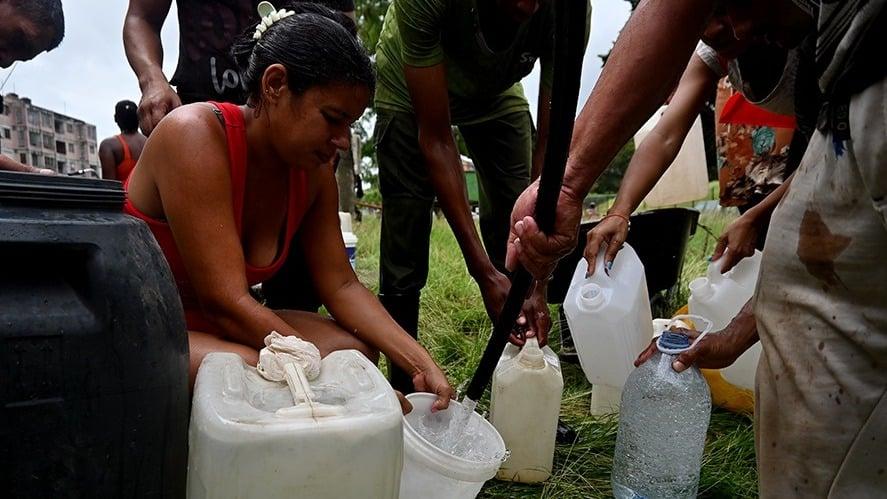
Diario de Cuba reported that, in late August, the Dirección General de Salud de Santiago de Cuba said at least 52 people were treated after presenting abdominal pain, nausea, vomiting, diarrhea and a sensation of cramps in the mouth and hands. That same report said the situation was linked to food intake, but it noted that the entity did not specify which product was involved or what substance caused the poisoning. Diario de Cuba also described how the supply crisis forces people to store water in containers that sometimes lack necessary conditions, while fuel shortages and “interminables apagones” prevent boiling the liquid to drink.
It further stated that garbage accumulates in cities for several days without being collected, and it said this environment has coincided with an increase in dengue reported by some territories. Separately, Diario de Cuba said the embassy this week issued another security alert in Havana about “un notable aumento de hurtos y robos al descuido relacionados con vehículos” and recommended that U.S. citizens keep greater vigilance, including around their vehicles.