Russia18 April, 20266 min read
U.S. Extends Russian Oil Sanctions Waiver Until May 16 After Scott Bessent Reversal
U.S. extends 30-day waiver allowing purchase of Russian oil loaded at sea through May 16. Move occurs after Treasury Secretary Scott Bessent had denied extending sanctions relief.

A waiver reversed
The United States extended a sanctions waiver on Russian oil after a brief period in which Treasury Secretary Scott Bessent said Washington would not renew it, according to multiple reports.
The new license, issued by the U.S. Treasury Department, allowed purchases of Russian oil and petroleum products that had already been loaded onto ships as of Friday, with the arrangement running until May 16.

The Times of India described the extension as replacing an earlier waiver that “lapsed on April 11,” and said the new terms would remain in place until “12:01 am (0401 GMT) on May 16.”
The AP similarly said the “general license means U.S. sanctions will not apply for 30 days on deliveries of Russian oil that has been loaded on tankers as of Friday,” and noted it extended a similar 30-day license issued in March.
DW reported that the monthlong waiver “came two days after Treasury Secretary Scott Bessent said he had no plans to extend the sanctions relief,” and said the license permits purchases of Russian oil loaded on vessels “through May 16.”
WION framed the reversal as a “U-turn” on April 17, saying the Trump administration “quietly reversed course” and issued a “second month-long sanctions waiver allowing the purchase of Russian crude oil and petroleum products currently at sea.”
Why the U-turn
The waiver extension was tied in the reporting to shortages and price pressure linked to the Iran war and disruptions in the Strait of Hormuz. The Times of India said the move came as “the Middle East conflict has stretched through almost seven weeks,” and described the war beginning on “February 28” when “the US and Israel launched joint strikes on Iran,” after which Iran “tightened its noose over the Strait of Hormuz, straining global oil supplies.” The Indian Express said the extension was expected to help India “continue buying Russian crude in large quantities amid the squeeze on supplies from West Asia,” and argued the decision likely came after pressure from countries buying Russian crude to “partly offset the loss of Gulf barrels.”
AP said the extension was to “ease shortages from the Iran war,” and noted the administration did not immediately explain the reversal. DW said the waiver was “a easing measure to control global energy prices that have skyrocketed during the US-Israel's war with Iran,” and added that oil prices had fallen after the start of a “temporary ceasefire.” WION also connected the extension to the “supply shock caused by Iran's effective closure of the Strait of Hormuz” following the US-Israel military campaign that began on “February 28.”
Bessent’s denial, then reversal
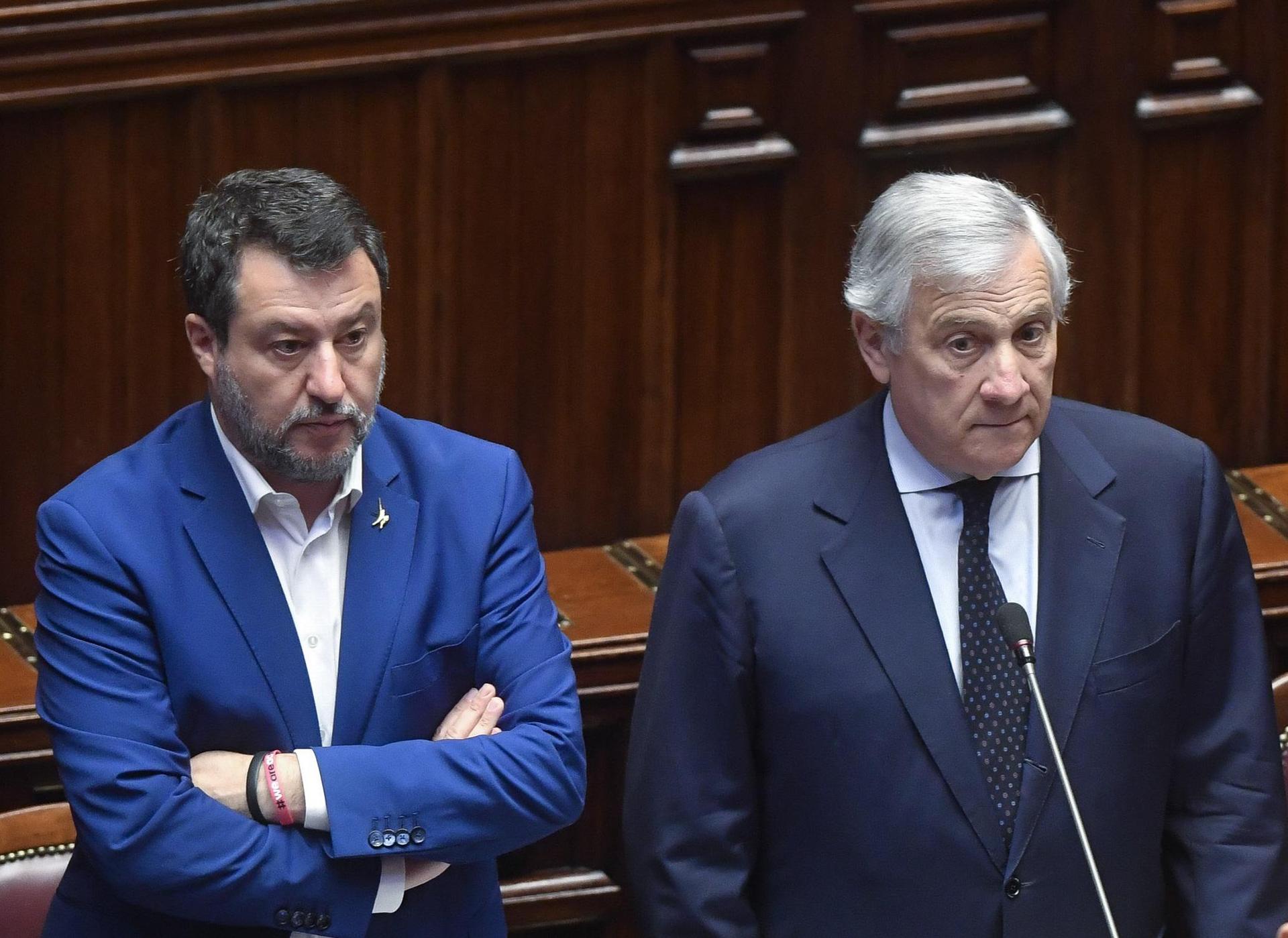
The reversal was especially notable because it came shortly after Bessent publicly ruled out extending the general license.
“We will not be renewing the general license (sanctions waiver) on Russian oil, and we will not be renewing the general license on Iranian oil.”
The Times of India quoted Bessent saying, “We will not be renewing the general license on Russian oil,” and added that “That was oil that was on the water prior to March 11, so all that has been used.”
The Indian Express similarly quoted Bessent at a White House briefing: “We will not be renewing the general license (sanctions waiver) on Russian oil, and we will not be renewing the general license on Iranian oil. That was oil that was on the water prior to March 11. So all that has been used,” and said the earlier waiver “had expired on April 11.”
WION described Bessent’s stance as “unambiguous on Wednesday (Apr 15),” repeating the same quotation about not renewing the general license on Russian oil.
AP said Bessent ruled out such a move at the White House on Wednesday, quoting him: “We will not be renewing the general license on Russian oil, and we will not be renewing the general license on Iranian oil,” and said the administration “did not immediately explain the reversal.”
The Hill reported that Senate Democrats called the reversal “shameful and a 180-degree reversal from Secretary Bessent, just two days after he pledged not to extend sanctions relief for Russia,” and it quoted the senators’ joint statement saying, “Make no mistake, Putin has been one of the biggest beneficiaries of President Trump’s war against Iran.”
India’s window
Several outlets focused on how the extension could affect India’s ability to buy Russian crude during the Iran-related supply squeeze. The Times of India said India “depends on imports for nearly 90% of its crude oil needs,” and described how “Indian refiners stepped up their intake of Russian crude” in recent weeks as “Middle East supplies under pressure” left refiners seeking alternatives. It cited Kpler data saying India’s purchases of Russian crude reached “1.98 million barrels per day in March,” the “highest level since June 2023,” and said imports eased to “1.57 million barrels per day so far in April,” with the decline linked to maintenance at Nayara Energy’s “400,000 barrel-per-day refinery.”
The Times of India also said the initial waiver enabled India to secure “around 60 million barrels for delivery this month,” and reported a buildup of Russian crude at sea estimated at “about 155 million barrels in early January” that had started to reduce as Indian buyers increased purchases, with current volumes estimated at “roughly 100 million barrels.” The Indian Express said India depends on imports to meet “over 88% of its requirement,” and argued that without the waiver “Indian refiners wouldn’t have been able to take deliveries of Russian crude on sanctioned tankers or deal with Russian oil suppliers sanctioned by Washington.” WION put the Russian share of India’s crude imports at “between 38 and 40 per cent,” and said the waiver provides “short-term relief,” while also noting India had previously made clear it does not consider US sanctions policy “determinative of its own energy decisions.”
Criticism and political stakes
The extension drew criticism in the United States and raised questions about whether it undermines efforts to deprive Russia of revenue tied to its war in Ukraine.
DW said the waiver was “met with criticism from US lawmakers who slammed the move,” saying waivers helped “the economies of Iran” while it was at war with the US and “of Russia as it was at war with Ukraine.”
The Hill reported that Senate Democrats asked in a joint statement what message the extension sends following “recent Russian attacks on Ukraine amid Russian President Vladimir Putin’s war on the European country,” and quoted them saying, “Enough is enough. President Trump needs to stop letting Putin play him for a fool and impose additional sanctions on Putin, who is clearly not feeling sufficient pressure from this President.”
On the Russian side, the West Asian outlet عين ليبيا quoted Kirill Dmitriev, head of the Russian Direct Investment Fund, saying the extension “continues” and that the decision came “despite what he described as active political opposition within Western circles,” while also claiming “the sanctions imposed on Russia do not achieve their objectives.”
It added that Dmitriev said the “30-day extension of the exemption covers more than 100 million barrels of oil aboard the tankers.”
The Economic Times reported that Russia’s presidential envoy Denis Alipov assured that Russia would “step up energy exports to India including crude oil, LPG and LNG,” and said India’s crude purchases from Moscow “more-than-tripled in March to $5.8 billion from $1.54 billion in February,” citing CREA.