Full story
Strikes and retaliation
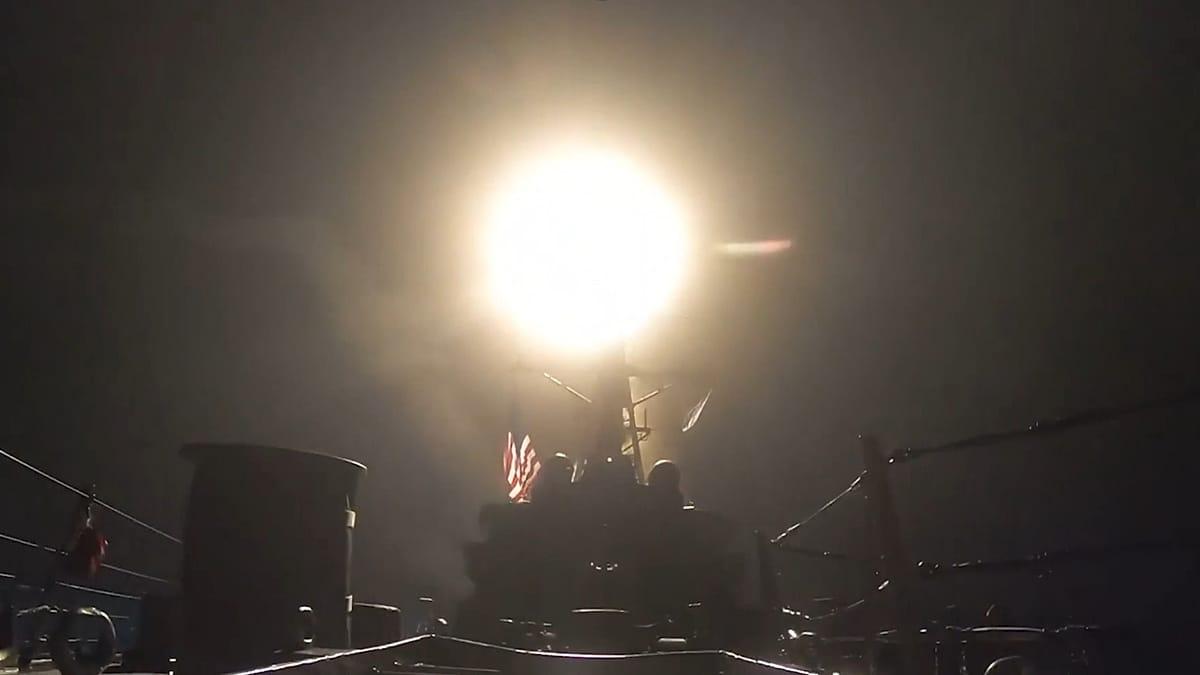
The United States intensified its strikes against Iran on Thursday, hitting targets farther north and firing into a ship the U.S. accused of trying to break its naval blockade on the Islamic Republic.
Iran retaliated by launching missiles and drones at U.S. allies in the region, and Iranian officials warned the attacks may escalate as the interim ceasefire agreed to last month collapsed.

Iranian officials said U.S. strikes have killed more than 35 people and wounded over 300 others, while the U.S. launched a second wave of strikes late Thursday aiming to “further degrade” Iran’s military capabilities.
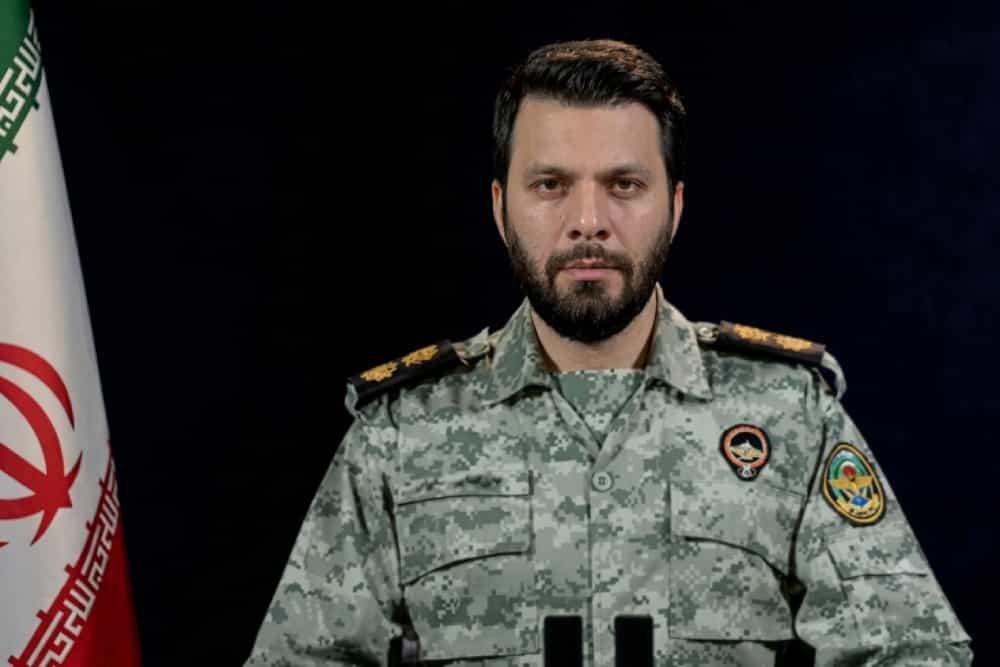
Col. Ebrahim Zolfaghari, a spokesperson for the Iranian military’s Khatam al-Anbiya Central Headquarters, threatened that Iran could launch widespread attacks on “all the infrastructure in the region” if the U.S. acts on President Donald Trump’s repeated warnings about hitting Iranian bridges and power plants.
The U.S. and Iran’s exchange of attacks was focused on the Strait of Hormuz, which Iran calls a “red line,” as strikes also reached into areas around Iran’s capital, Tehran, for the first time in this latest round.
Officials trade threats
White House press secretary Karoline Leavitt said President Trump was “not going to sit by and allow these acts of terrorism to take place in the strait without ensuring Iran pays consequences for that.”
Leavitt also said Iran “violated a signed memorandum of understanding promising not to target commercial vessels in the Strait of Hormuz,” and she pointed to the administration’s view that Tehran made “the tragic decision—for them—to do that.”

Iran’s military spokesperson Col. Ebrahim Zolfaghari threatened that “all the infrastructure in the region will be crushed under the steel blows of the powerful armed forces of the Islamic Republic of Iran” if Trump’s threats were carried out.
In a separate warning, Iran’s top military command said that if Trump’s threats were implemented “everything that is still intact … that is, all the infrastructure in the region – will be crushed under the steel blows of the powerful armed forces of the Islamic Republic of Iran.”
The dispute over the strait’s control continued as the U.S. said it launched a sixth consecutive night of strikes and Iran continued targeting U.S. allies in the Persian Gulf in retaliation for American strikes.
What’s at stake next
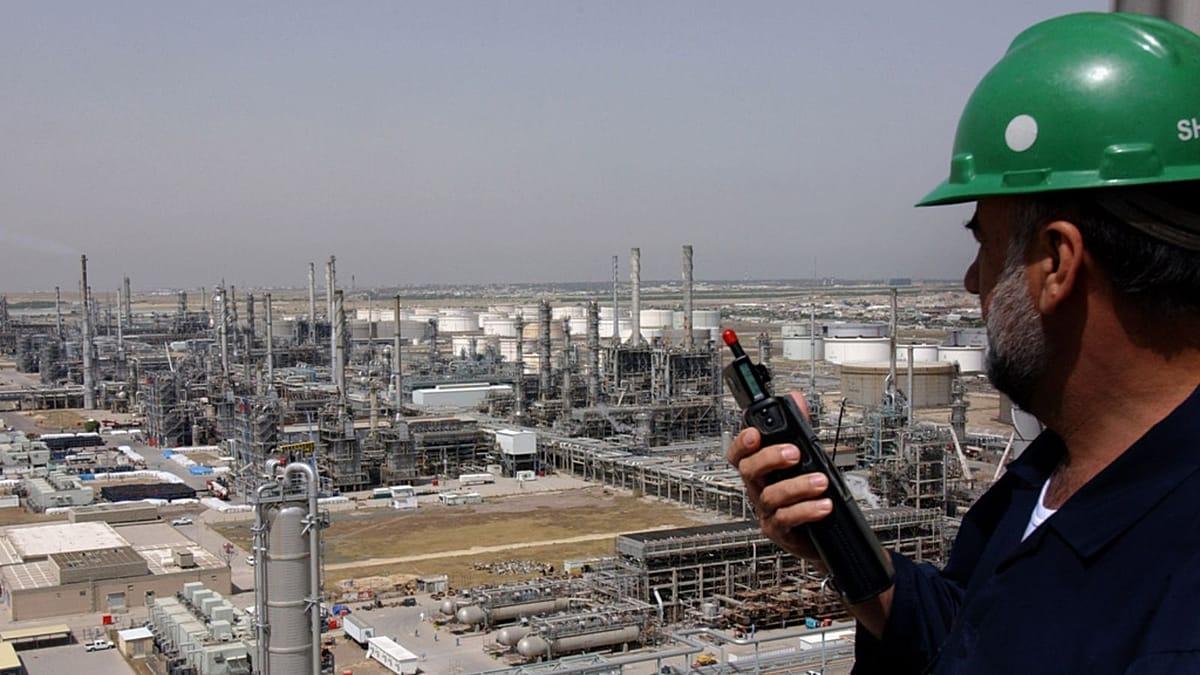
The fighting’s immediate stakes were tied to shipping through the Strait of Hormuz, where the U.S. said it was aiming to “further degrade” Iran’s ability to disrupt shipping and where the U.S. disabled the Curacao-flagged oil tanker M/T Belma after it “ignored multiple warnings.”
CENTCOM said it disabled the vessel by firing a missile into the ship’s smokestack, and it said the ship was “no longer transiting to Iran,” while the U.S. also said it had redirected compliant vessels.
Iran’s position was that it would not allow foreign interference in the strait, with the Iranian military’s Khatam al-Anbiya Central Headquarters spokesperson saying “Under no circumstances and in no way will we allow America, as a foreign and extraregional country, to interfere in the Strait of Hormuz.”
The broader consequences described in the coverage included the risk of escalation beyond the strait, as NBC News said the interim deal to end the Iran war had been shredded and could tip the region back into all-out war.
The same reporting also tied the conflict to wider regional impacts, noting that Iran retaliated with missile and drone attacks on Bahrain, Jordan and Kuwait, while Iraqi Prime Minister Ali al-Zaidi condemned an overnight drone attack in Iraq’s semiautonomous northern Kurdish region.