U.S. Forces Board Sanctioned Oil Tanker M/T Tifani in Bay of Bengal
Key Takeaways
- U.S. forces boarded the sanctioned oil tanker M/T Tifani in the Indian Ocean.
- The vessel was previously sanctioned for smuggling Iranian crude oil.
- Aimed at disrupting illicit Iranian oil networks.
Tanker Boarded at Sea
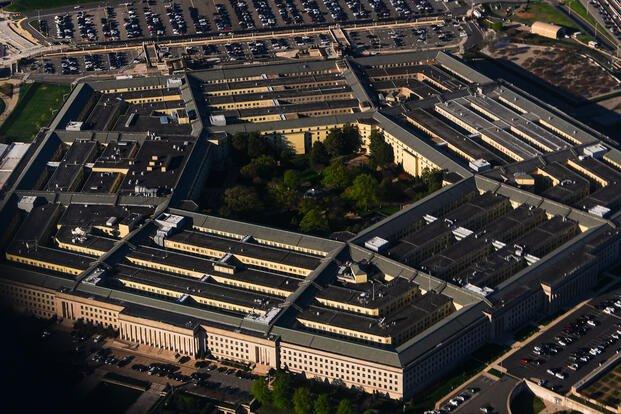
U.S. forces boarded the oil tanker M/T Tifani in international waters in the Bay of Bengal, the Pentagon said Tuesday, describing the action as a “right-of-visit maritime interdiction” that occurred “without incident.”
“A Oneindia Venture News Personal finance Gold rates Silver rates Mutual funds IPO MSME News Personal Finance Classroom MSME Gold Rates Gold Rate Calculator Bangalore Chennai Mumbai Delhi Hyderabad Jewellers Silver Rates Silver Rate Calculator Bangalore Chennai Mumbai Delhi Hyderabad Platinum Rates Bangalore Chennai Mumbai Delhi Hyderabad Fuel Price Petrol Diesel LPG CNG PNG Autogas Crude Oil CNG Locator Holidays Bank Holidays Post Office Holidays NSE Holidays Banking Savings Schemes IFSC & MICR Codes Bank Holidays Exchange Currency Payment Apps FD Calculator Fixed Deposit RD Calculator Recurring Deposit EMI Calculator Income Tax Calculator SIP Calculator Lottery Kerala Lottery Nagaland Lottery Sikkim Lottery Punjab Lottery Assam Lottery UAE Lottery Maharashtra Lottery Calculators Gold Rate Calculator Silver Rate Calculator 7th Pay Calculator 8Th Pay Calculator Gratuity Calculator UAE Gratuity Calculator NSP Calculator PF Calculator Income tax Calculator RD Calculator FD Calculator EMI Calculator Home Loan Calculator Personal Loan Calculator Car Loan Calculator SIP Calculator GST Calculator Mutual Funds IPO Savings Scheme Public Provident Fund Employee Provident Fund National Pension System Senior Citizens Savings Scheme National Savings Certificate Post Office Savings Scheme Pradhan Mantri Vaya Vandana Yojana Pradhan Mantri Jan Dhan Yojana Sovereign Gold Bond Market Mood Index Currency Converter Billionaires Aadhar Pan Card Toll Plaza Pin Code CSC Fastag Payment Apps & E-Wallet Get Updates Get notified about market trends, financial advice, and investment tips”
The Goodreturns report says the Pentagon’s move came as the ship was captured in the Bay of Bengal “between India and Southeast Asia,” and that the vessel was carrying Iranian crude, according to a U.S. defence official.
The AP report similarly states that U.S. forces “conducted a right-of-visit maritime interdiction” and boarded the M/T Tifani “without incident,” while identifying the tanker as previously sanctioned for smuggling Iranian crude oil in Asia.
The Economic Times adds that ship-tracking data showed the Tifani was carrying oil in the Indian Ocean on Tuesday “between Sri Lanka and Indonesia,” though it also notes that the Pentagon announcement did not specify precisely where or what time Tuesday the ship was boarded.
The Pentagon also described the Tifani as “stateless” despite it being a Botswana-flagged vessel, a detail repeated across the Goodreturns and AP accounts.
A U.S. defence official told the Goodreturns report that the U.S. military is expected to decide within four days whether to tow the ship or transfer it to another country, while the AP report says the U.S. military will decide in the next four days what to do with the vessel, including whether to tow it back to the U.S. or turn it over to another country.
The AP frames the boarding as part of a broader U.S. effort “to stop any ship tied to Tehran” that could carry supplies “from weapons and oil to metals and electronics,” linking the interdiction to the wider U.S. war on Iran.
Global Warning and Expansion
The boarding of the M/T Tifani was presented by U.S. officials as part of a broader warning and enforcement posture aimed at vessels tied to Tehran.
The Pentagon announcement quoted in the AP report says, “As we have made clear, we will pursue global maritime enforcement efforts to disrupt illicit networks and interdict sanctioned vessels providing material support to Iran — anywhere they operate,” and adds, “International waters are not a refuge for sanctioned vessels.”
Gen. Dan Caine, chairman of the Joint Chiefs of Staff, told reporters at the Pentagon that enforcement actions would extend beyond Iranian waters and beyond the area under control of U.S. Central Command, and he said U.S. forces “will actively pursue any Iranian-flagged vessel or any vessel attempting to provide material support to Iran.”
The Goodreturns report similarly attributes to Gen. Dan Caine the statement that efforts will “reach beyond Iranian waters” and “go beyond US Central Command’s area,” and it quotes him saying forces “will actively pursue any Iranian-flagged vessel or any vessel attempting to provide material support to Iran.”
The AP report adds that Gen. Dan Caine pointed to operations in the Pacific and said the U.S. would target vessels that left before the blockade began outside the Strait of Hormuz, described as “a crucial waterway for energy and other shipments.”
In addition, the AP report says the military detailed an expansive list of goods it considers contraband, declaring that it will board, search and seize them from merchant vessels “regardless of location.”
The AP also cites a notice published Thursday stating that any “goods that are destined for an enemy and that may be susceptible to use in armed conflict” are “subject to capture at any place beyond neutral territory,” tying the enforcement approach to legal framing of capture beyond neutral territory.
Ceasefire, Legal Dispute
The AP report places the Tifani boarding in a tense timeline around a ceasefire between the U.S. and Iran that it describes as “already tenuous,” noting that the announcement comes “ahead of the expiration” of that ceasefire.
“US-Iran war: US military forces board sanctioned oil tanker in Indian Ocean, Pentagon says Synopsis American forces have seized an oil tanker in international waters”
The AP also says the U.S. and Iran are operating in “an awkward space where the law doesn’t give you a clean yes-or-no answer” on whether the ceasefire was violated, quoting Jason Chuah, a law professor at the City University of London and the Maritime Institute of Malaysia.
Chuah is quoted saying, “The United States seems to take the line that the conflict never fully switched off — that is there is still a state of armed conflict,” and he adds that “By saying that, it can keep doing things like enforcing a blockade and even using limited force at sea.”
The AP further reports that Chuah said Iran is treating the ceasefire as a pause on all hostile acts, and it quotes him asking, “The whole dispute really turns on a deceptively simple question: Did the ceasefire actually suspend the right to use force?”
Chuah is also quoted saying, “If it did, then firing on vessels or seizing them is very hard to square with the United Nations Charter.”
The AP reports that Iran’s joint military command has called the armed boarding an act of piracy and a violation of the ceasefire, while it also notes that the U.S. earlier had instituted a blockade against sanctioned oil tankers linked to Venezuela but had never fired on those vessels.
Mark Cancian is quoted saying, “Trump announced it. The Iranians agreed. But there’s no formal agreement,” and the AP links the broader dispute to the U.S. Navy attack and seizure Sunday that Trump described as a “hole in the ship’s engine room.”
Different Frames, Same Event
The same interdiction is framed differently across the three outlets, even when they share key Pentagon language about enforcement and the tanker’s status.
The AP report, written from Washington and datelined “WASHINGTON (AP),” emphasizes the U.S. war on Iran and the ceasefire context, stating that the move comes “ahead of the expiration of an already tenuous ceasefire between the U.S. and Iran.”
The AP also foregrounds the legal and operational rationale by quoting Jason Chuah’s view that the dispute turns on whether the ceasefire suspended “the right to use force,” and by including Mark Cancian’s comment that there was “no formal agreement.”
By contrast, the Goodreturns report focuses on the operational decision timeline and the Pentagon’s description of the boarding, saying the U.S. military is expected to decide within four days whether to tow the ship or transfer it to another country.
Goodreturns also highlights the Pentagon’s “right-of-visit” interdiction and says the boarding happened “without incident,” while adding that the ship was previously sanctioned over smuggling Iranian crude oil in Asia.
The Economic Times similarly describes the boarding as part of a broader effort to disrupt illicit networks supporting Iran, but it also includes a specific geographic detail from ship-tracking data, saying the Tifani was carrying oil “between Sri Lanka and Indonesia” on Tuesday, while noting “The announcement did not say precisely where or what time Tuesday the ship was boarded.”
Across all three, however, the Pentagon’s “stateless” description for a Botswana-flagged vessel appears as a shared anchor, and the Pentagon’s statement that “International waters are not a refuge for sanctioned vessels” is repeated.
What Comes Next
The immediate next steps for the M/T Tifani depend on a decision window described as four days, with U.S. officials weighing whether to tow the ship or transfer it to another country.
The Goodreturns report says the U.S. military is expected to decide within four days whether to tow the ship or transfer it to another country, while the AP report says the U.S. military will decide in the next four days what to do with the vessel, including whether to tow it back to the U.S. or turn it over to another country.
The AP also situates the boarding within a broader enforcement campaign that it says will “pursue global maritime enforcement efforts” and “interdict sanctioned vessels providing material support to Iran — anywhere they operate,” emphasizing that “International waters are not a refuge for sanctioned vessels.”
The AP’s description of contraband enforcement adds that the military will board, search and seize merchant vessels “regardless of location,” and it cites a notice that “goods that are destined for an enemy and that may be susceptible to use in armed conflict” are “subject to capture at any place beyond neutral territory.”
Gen. Dan Caine’s statements, repeated in Goodreturns and AP, also indicate that enforcement will extend beyond Iranian waters and beyond U.S. Central Command’s area, with U.S. forces “will actively pursue any Iranian-flagged vessel or any vessel attempting to provide material support to Iran.”
Meanwhile, the AP reports that Iran’s joint military command has called the armed boarding an act of piracy and a violation of the ceasefire, and it includes Chuah’s view that the dispute hinges on whether the ceasefire suspended “the right to use force.”
The sources therefore leave the next phase open: a four-day decision on the Tifani’s fate, continued global enforcement language, and an ongoing legal and political argument over how the ceasefire should be interpreted.
More on Iran
Trump Warns U.S. Will Resume Bombing If Iran Talks Fail Before Ceasefire Deadline
11 sources compared

Reuters/Ipsos Poll Finds 36% Approve Trump’s Job Performance Amid Iran War And Pope Feud
10 sources compared

Iran’s Judiciary Chief Mohseni-Eje’i Warns US-Israeli War Coalition May Strike Again
11 sources compared

Trump Says U.S. Expects a Great Deal With Iran, Won’t Extend Ceasefire Deadline
25 sources compared