USA · updated 1h ago · 3 min read
US Forces Complete Withdrawal From Iraq’s Last Bases By September 30
US forces withdraw from last bases in Iraq by September 30, 2026 Approximately 4,500 US service members died over more than two decades
Whether sovereignty celebration or security vacuum risk dominates.
2 of 3 outlets skipped it: baghdad extends militia disarmament deadline to June 30, 2027.
13outlets compared
Same story, two versions
tap a side to read it in full
Reuters
“I believe that the (US-led coalition) leaving in this way and creating a vacuum is what all Iraqis fear.”Read the original ↗
DW
“October 1 will be a new day in the course of the Iraqi state, with the country free of any foreign military presence”Read the original ↗
DW celebrates the end of foreign presence and sovereignty. Reuters emphasises worries about a security vacuum and ISIS comeback.
Withdrawal by September 30
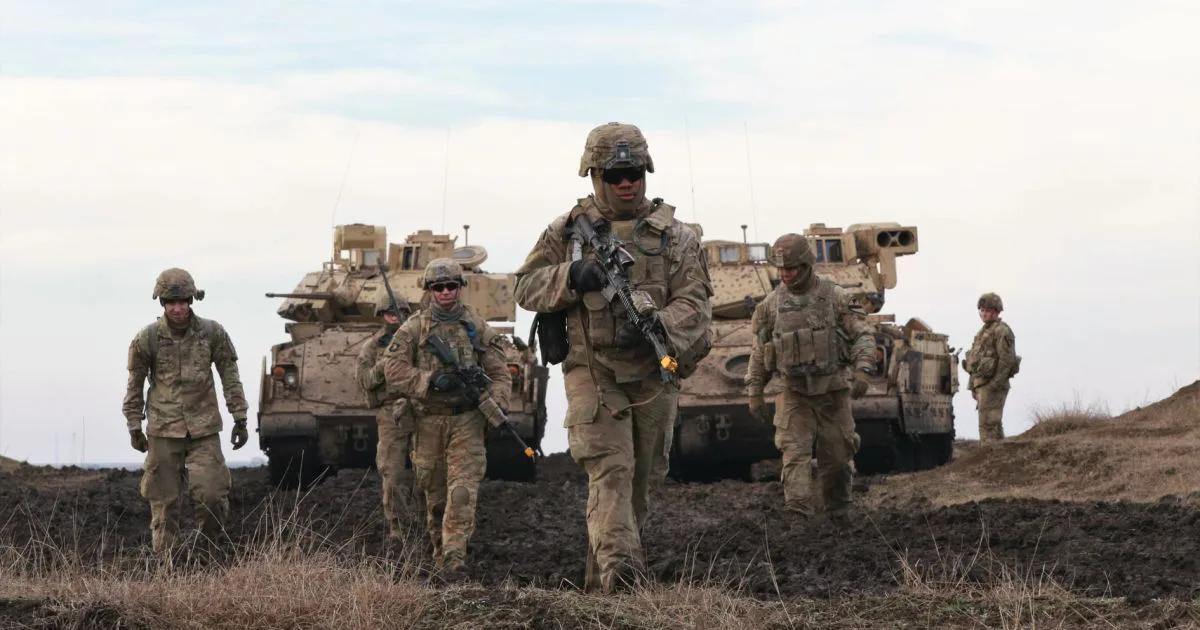
US forces are set to complete withdrawal from their last military bases in Iraq by September 30, ending more than two decades of US military involvement in the country. Reuters reported that 4,500 Americans have died during more than two decades of US military involvement in Iraq, and DW said September 30, 2026 marks the end of an era for Iraq's government in Baghdad. RIraq's Prime Minister Ali al-Zaidi said in a statement, "October 1 will be a new day in the course of the Iraqi state, with the country free of any foreign military presence and the completion of national sovereignty over its territory," as the United States completed withdrawal of its remaining 2,500 troops from Iraqi territory.
DW said the withdrawal concludes 12 years of the US-led Operation Inherent Resolve mission against the Islamic State group, or ISIS, which at the time was advancing across the country and in neighboring Syria. Reuters said US forces entered Iraq in 2003 to topple Saddam Hussein’s government, withdrew at the end of 2011, and returned in 2014 as part of the fight against ISIS.R
Militias vow to shoot
Katāib Hizballah warned that it will shoot down any “hostile” aircraft over Iraqi airspace after September 30, the date by which the withdrawal of United States-led coalition troops must be completed. Abu Muyahid al-Asaf said in a communiqué, "We will first issue warnings and then act to shoot them down," and he added that the Islamic Resistance will oversee Iraqi airspace to ensure it is not violated by hostile planes. The communiqué also warned Ali al-Zaidi that his government could face efforts to overthrow him if it continued cooperating with the United States, and it said, "Al-Zaidi and those who support him must know that a government that does not serve the people’s interests will face efforts to bring it down, by all possible means,"
Iraqi authorities announced at the end of August that coalition troops would have begun a coordinated withdrawal from bases across the country and insisted that the process would be completed on September 30. Europa Press said the group framed the withdrawal as the expulsion of the occupying forces of the United States and NATO and described it as the first step toward achieving “total sovereignty over the land, the waters, and the air” of the country.
Security vacuum and ISIS
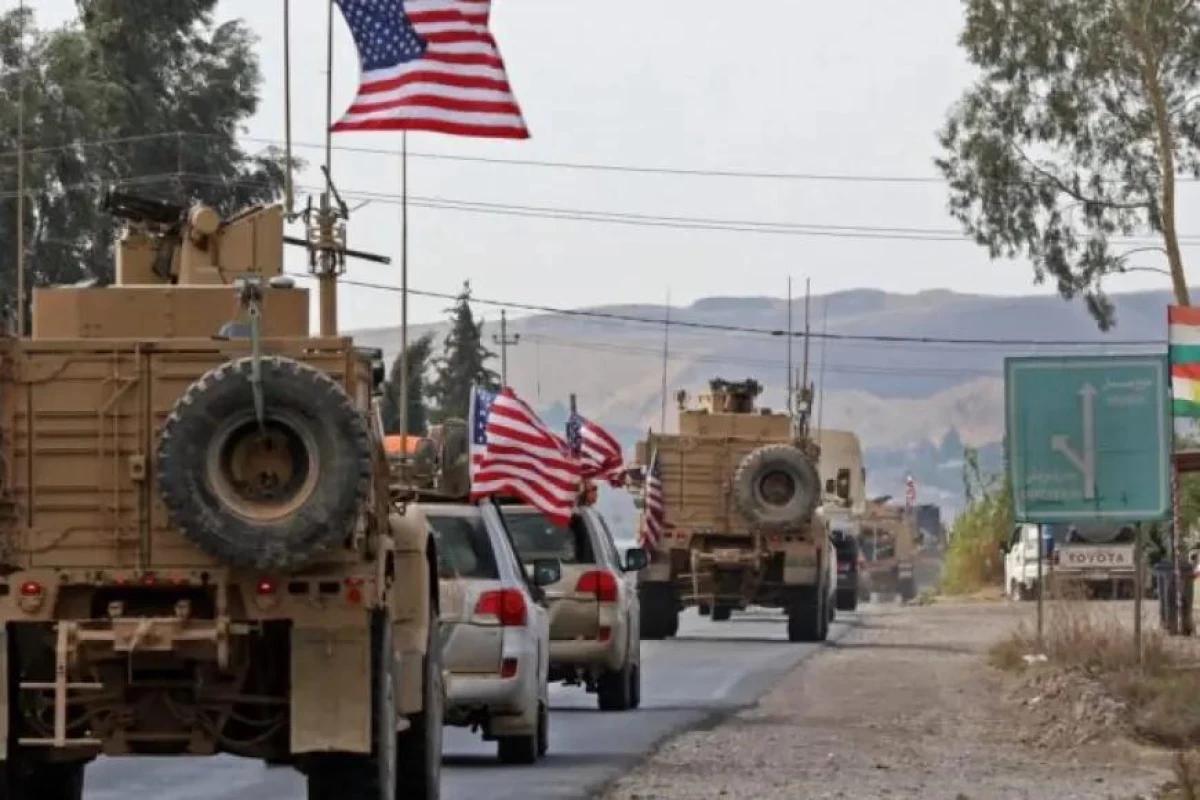
Iraqi security experts told Reuters that the withdrawal could give Tehran and its powerful allies free rein while also allowing other US enemies to stage a comeback, including Islamic State. Jasim al-Bahadli said, "Iran stands to benefit strategically from the coalition's departure because it removes a military presence that for years acted as a counterweight to Tehran's influence in Iraq," and he predicted pro-Iranian militia groups would seek to translate that momentum into greater influence over security and political decision-making. Abdulrahman al-Zobaie warned, "We believe Iraq is still not fully ready to take over the security file at this time," and he said the (US-led coalition) leaving in this way and creating a vacuum is what all Iraqis fear.
Reuters said some Iraqi security officials and analysts warned the end of the coalition presence could create a security vacuum and give Islamic State an opportunity to rebuild, even as the withdrawal is celebrated as a victory by Iran and its allies. RAmir Hayat Moqaddam told Iran's parliamentary news service that "Lasting security will prevail in Iraq" once the Americans leave the country and the region, while Reuters said the US withdrawal also risks giving new life to Islamic State fighters with sleeper cell networks.R