Full story
Sixth Night of Strikes
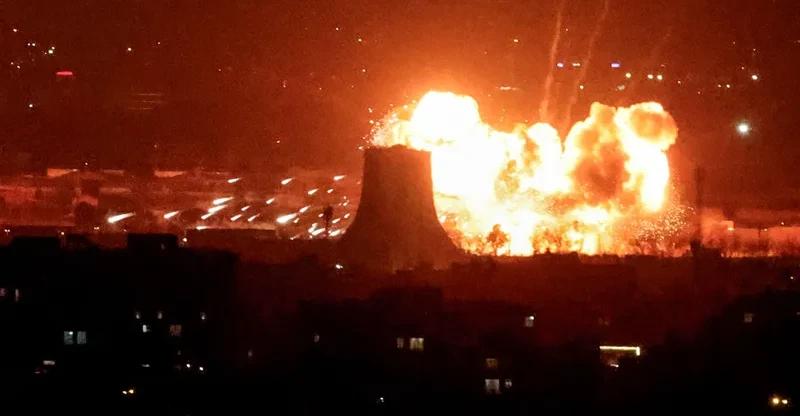
The United States launched strikes on Iran for a sixth consecutive night, with US Central Command saying at 2 p.m. ET (7 p.m. GMT) that "US forces began conducting a new wave of strikes against Iran for the sixth consecutive night" to further degrade Iranian military capabilities.
DW reported that US Marines boarded a vessel in the Strait of Hormuz as part of a naval blockade, and that Bahrain, Kuwait and Jordan came under attack from Iranian missiles and drones.

DW also said explosions were reported across Iran, including the north of the country for the first time, and that Tehran warned the US of regional retaliation if its infrastructure is attacked.
DW reported a US strike hit the Bandar Abbas railway junction station, with two people injured, and said US strikes also hit an airport and a bridge in southern Iran.
In a separate report, PressTV said the attacks marked the sixth consecutive night of American strikes and described hits on bridges, a railway station, and residential neighborhoods in the port city of Bandar Abbas.
Bridges, Airports, and Injuries
Iran’s IRGC-affiliated Fars news agency reported that two people were killed and eight others wounded in US strikes on the Kehvarstan Bridge and a residential neighborhood in Bandar Abbas on Thursday.
PressTV said American airstrikes targeted three bridges in Khmer county, including the crucial Khmer Bridge connecting Bandar Abbas to Lar in Fars province, and that at least two people were martyred and four others wounded in the attacks on bridges.
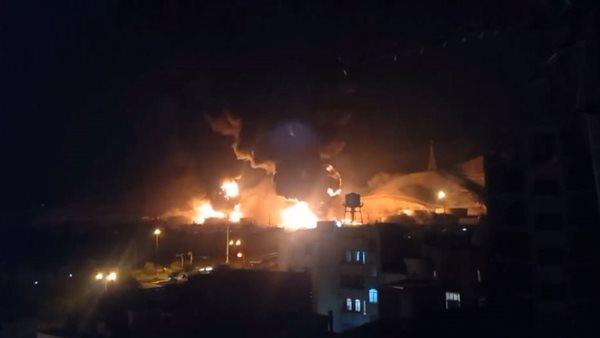
PressTV also reported that US forces struck the railway junction station in the city, injuring two Iranians, and said US airstrikes targeted two bridges at Bandar Khamir, reportedly killing the driver of a civilian vehicle on the bridge.
DW reported that Fire service chief Mahmud Iqbal said the building lacked functioning fire escapes—however, in this Iran coverage, DW instead said a US strike hit the Bandar Abbas railway junction station and that Bandar Abbas has repeatedly been targeted by US strikes in the past several days.
In the same DW account, the Iranian state television IRIB said "Three explosions were heard around the airport" and that at least one American enemy projectile hit Iranshahr airport.
Retaliation and Energy Stakes
DW reported that the International Energy Agency head Fatih Birol said the world should worry about energy security if the United States and Iran do not find a way to improve the transit of oil through the Strait of Hormuz, adding, "We should be worried, and I am worried if the situation does not improve in the next few weeks."
ARAB NEWS said CENTCOM announced it had ended its latest round of airstrikes after daybreak Thursday and that US forces struck approximately 90 Iranian military targets including air defense systems, coastal surveillance assets, missile and drone storage sites, naval capabilities, and military logistics infrastructure along Iran’s coastline.
ARAB NEWS also reported that Trump said Iran reached and "wants to make a deal," and that the train service between Tehran and Mashhad has been suspended after US strikes, with Iran’s Islamic Republic of Iran Railways blaming a "criminal attack by the US-Israeli enemy."
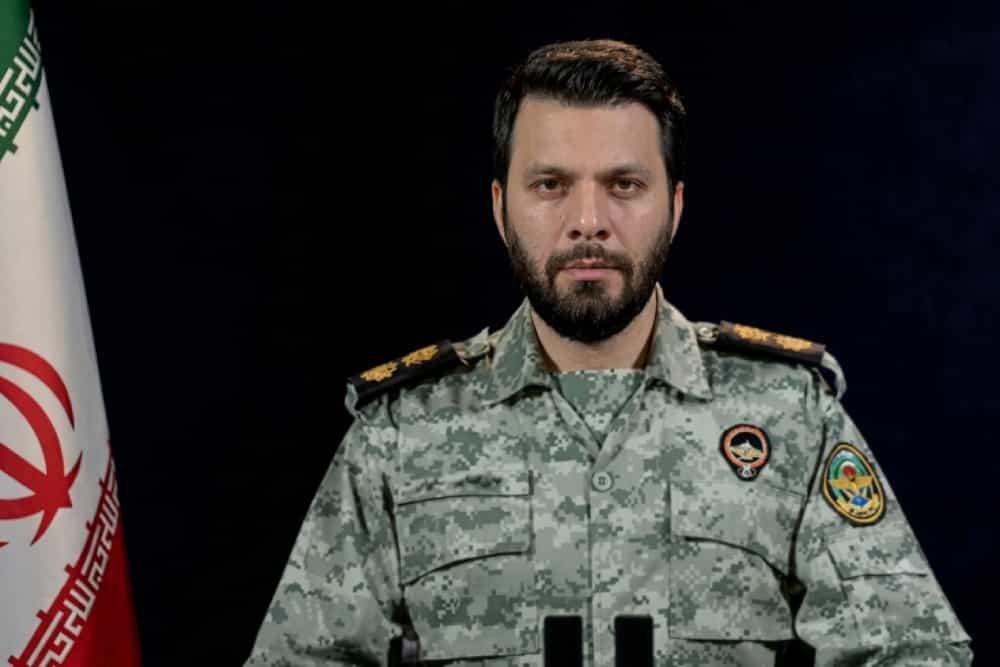
PressTV said Iran warned of regional retaliation, quoting an IRGC spokesman: "The enemy must understand that if they target even a single piece of Iranian infrastructure" the Islamic Republic would destroy infrastructure across the region.
PressTV further claimed that Iran’s Health Ministry said at least 35 civilians, including women and children, have been killed in the current wave of US strikes, with more than 300 injured, while also saying the US reimposed its naval blockade of Iranian ports.