Iran31 May, 20263 min read
U.S. Forces Strike Gambia-Flagged Lian Star After Warnings in Gulf of Oman
This article is an automated aggregation of coverage from news outlets. Our editorials offer in-depth analysis curated by the NewsCord team.
U.S. forces struck the Gambia-flagged cargo ship Lian Star in the Gulf of Oman. Missile strike hit the vessel as it tried to reach Iran.

BBC was read line by line by the Watchdog: 5.1. See the score →
Blockade, Hormuz, and Lebanon
U.S. forces attacked a cargo ship they claimed was attempting to breach their naval blockade of Iran on Saturday, with Centcom saying the Gambia-flagged vessel Lian Star ignored over 20 warnings before its forces struck the engine room with a missile in the Gulf of Oman, stranding it. In parallel, Iran’s Revolutionary Guards navy said that 28 vessels have passed through the Strait of Hormuz in the past 24 hours, according to Iranian state media.
The same reporting period also described Israel pushing beyond the Litani river and seizing the Crusader-era Beaufort fortress in Lebanon, with Defence minister Israel Katz saying the country’s troops will remain stationed in the 900-year-old castle where the flags of Israel and the IDF’s Golani Brigade have been hoisted. BBC also tied the Iran track to a looming decision by President Donald Trump, saying he held a meeting to make a "final determination" about a framework for extending the ceasefire with Iran but it concluded without clarity on the next steps.

Diplomacy vs demands
As Trump’s proposed memorandum of understanding remained in limbo, Mohsen Rezaei accused the U.S. president of "betraying diplomacy for the third time" by continuing the naval blockade and making excessive demands in negotiations.
NBC News reported that Trump’s Situation Room meeting ended after a two-hour session without a further statement, even as he said Iran must agree to never have a nuclear weapon and that the Strait of Hormuz be reopened for "unrestricted shipping traffic, in both directions".
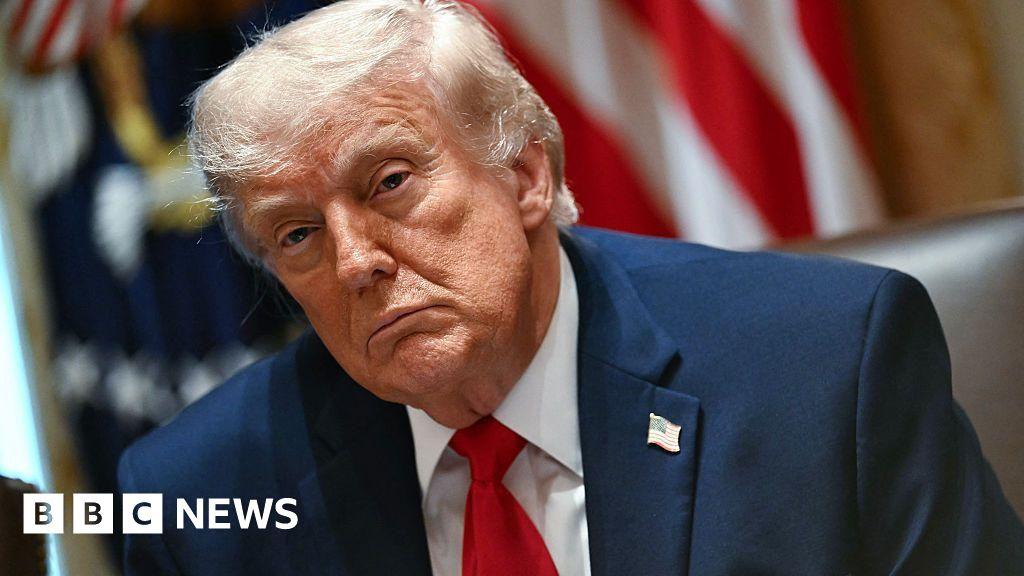
Iran’s foreign ministry spokesman Esmail Baghaei told state TV it was "focused on ending the war, and there are no negotiations on the nuclear issue," while the BBC said Iran insists it is not negotiating on its nuclear programme and that it is wholly for peaceful purposes.
The BBC also quoted a White House official saying "President Trump will only make a deal that is good for America and satisfies his red lines. Iran can never possess a nuclear weapon" as the meeting in the White House Situation Room concluded late on Friday.
What’s at stake next
With the memorandum still not finalized, the dispute over the Strait of Hormuz and the nuclear track remained central, and CNN said the MoU is expected to extend the current shaky ceasefire that has been in place since early April while Trump’s demands have not been welcomed in Tehran. CNN Arabic described the 60-day memorandum as taking "a very long time" to reach its final form because wording and sequencing of steps matter, and it framed the Strait of Hormuz reopening as a "fundamental first step" after three months of paralysis that hit the route and caused a sharp rise in crude oil prices and other commodities.
In parallel, the Independent reported that Tehran awaits the US president’s response to a proposed peace deal as efforts to bring an end to the war drag on, while it also noted that a senior official accused Trump of "betraying diplomacy for the third time". Fox News added that Trump said the U.S. will either reach a good deal or "finish the job" militarily if Washington does not get what it wants from Tehran, and it quoted him saying negotiations would happen "slowly but surely."