Technology and Science17 October, 20252 min read
US Forces UN Shipping Body to Delay Global Carbon Tax, Blocking Climate Action
International Maritime Organization postponed global shipping carbon tax vote by one year. United States led pressure campaign blocking adoption of the world’s first global shipping carbon tax.
13 outlets told this the same way.
UN Shipping Carbon Price Delay
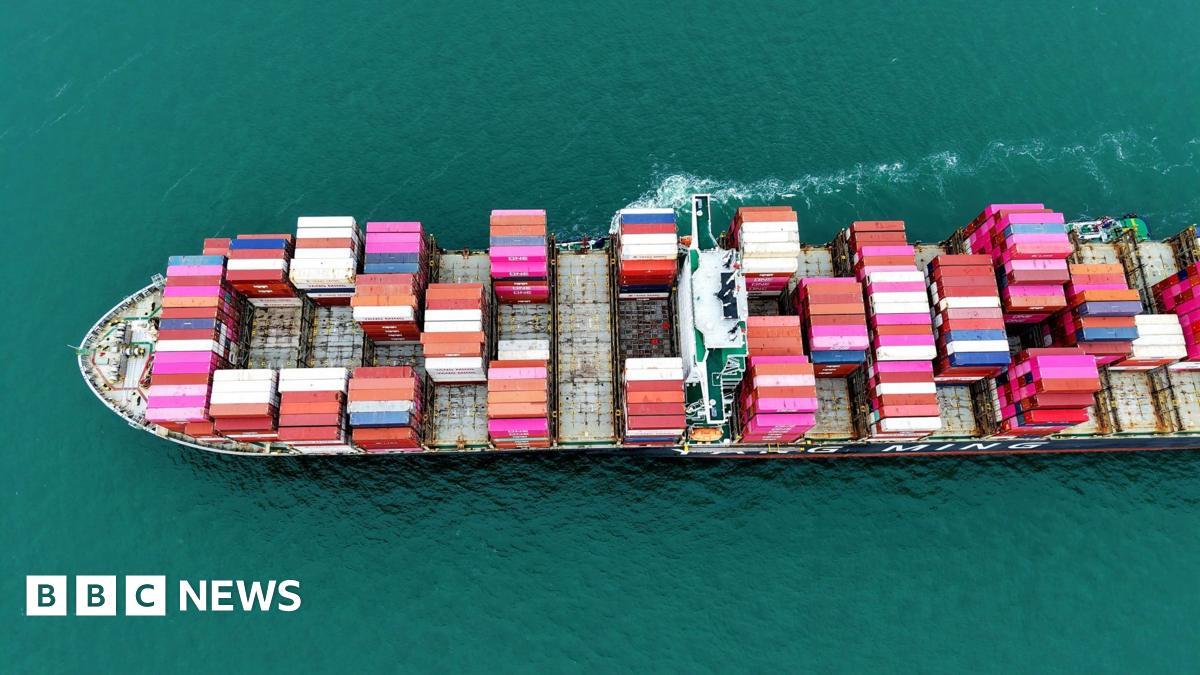
A majority of countries at the UN’s International Maritime Organization (IMO) voted to postpone by one year a decision on a global carbon price for international shipping. The postponement followed a high-pressure campaign led by the United States and opposition from Saudi Arabia. The motion to defer, introduced by Saudi Arabia, passed 57–49, with The Guardian reporting 21 abstentions.
“A majority of countries at the International Maritime Organisation (IMO) voted to postpone by one year the decision to adopt a global carbon pricing system for shipping, following pressure from the United States and opposition from Saudi Arabia.”
Multiple outlets note that former President Donald Trump criticized the measure as a “green scam” or “global green new scam tax,” while threatening sanctions on countries that supported it. Advocates say the plan—agreed in principle in April—would have made shipping the first global industry subject to carbon pricing. The goal was to cut emissions from a sector responsible for nearly 3% of global greenhouse gases.

US Influence on Carbon Tax Delay
Washington’s role dominated the showdown.
Букви reports the U.S. State Department defended opposing a global carbon tax as safeguarding consumers and industry.

gCaptain says the U.S. government framed the delay as a “victory for American consumers,” casting the plan as a potential UN tax increase.
Local Western outlets like ttownmedia and the Laurel Leader-Call focus on Trump’s threat of sanctions that triggered the one-year postponement.
Collectively, these accounts portray the U.S. as the decisive actor pushing the UN shipping body to delay global carbon pricing.
Reactions to Climate Meeting Delay
The postponement drew sharp condemnation from climate-vulnerable states and campaigners. They called it a betrayal of countries already facing escalating climate harms. gCaptain reports that Pacific Island nations and environmental groups condemned the delay as a betrayal.
“Pacific Island nations and environmental groups condemned the delay as a betrayal of vulnerable countries facing climate impacts, criticizing countries like Saudi Arabia and the U.S. for blocking progress.”
Vanuatu’s climate minister described the decision as unacceptable. Букви warns the delay could hinder innovation, deepen inequality, and weaken global resolve ahead of COP30 in Brazil.
thenationalnews says the UN called the deferral a missed opportunity. The Guardian highlights the frustration of many small developing nations demanding urgent action.
Shipping Industry Regulatory Delays
For the shipping industry, the delay deepens policy uncertainty and raises the risk of a patchwork of national rules. The Guardian warns it creates uncertainty for the shipping industry and global trade, even if approval comes next year, because technical assessments will take years. The Straits Times and Bilyonaryo echo that uncertainty for the sector’s emissions path.
gCaptain goes further, warning the adjournment risks a fragmented regulatory landscape. gCaptain also reports the vote to adopt the Net-Zero Framework was postponed until October 2026, with concerns it may not take effect until 2030. This sharply diverges from outlets that say the IMO deferred by one year.
April Developments on Pricing Plan
Several outlets identify April as a turning point, but they describe it differently. thenationalnews and The Straits Times report that a pricing plan was agreed in principle in April. The Guardian notes that the U.S. had walked out of earlier talks in April.
“This contrasts with the April vote, where the measure had more support.”
Local Western outlets ttownmedia and Laurel Leader-Call state that the IMO had voted in April to implement the pricing system, using stronger language than a preliminary accord. All sources agree that the latest one-year deferral followed U.S. opposition and sanction threats. Saudi Arabia moved the motion to defer, and the final vote tally was 57–49.