Technology and Scienceupdated 20m ago2 min read
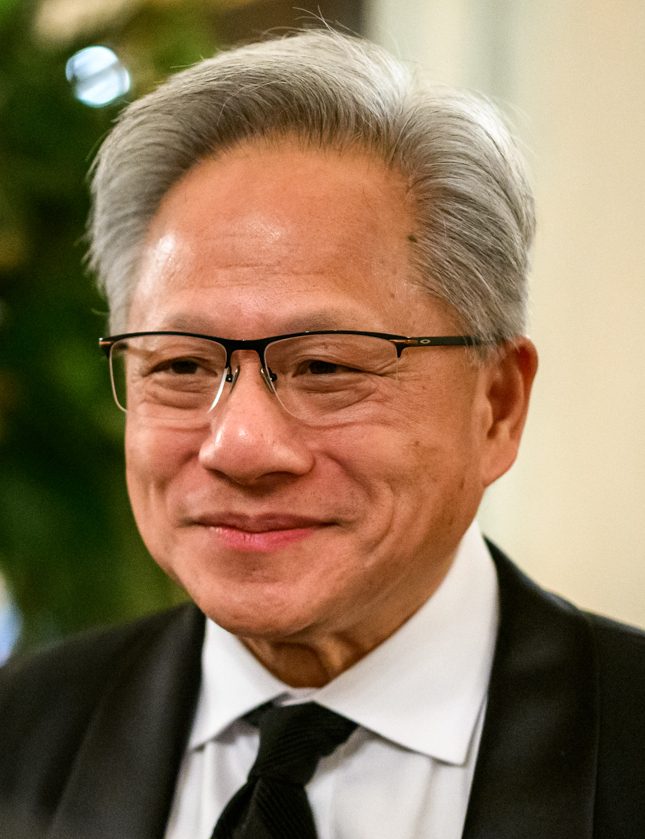
Archive photo · 18 November 2025US Intelligence Memo Says Jensen Huang Had Romantic Relationship With Suspected Chinese Spy
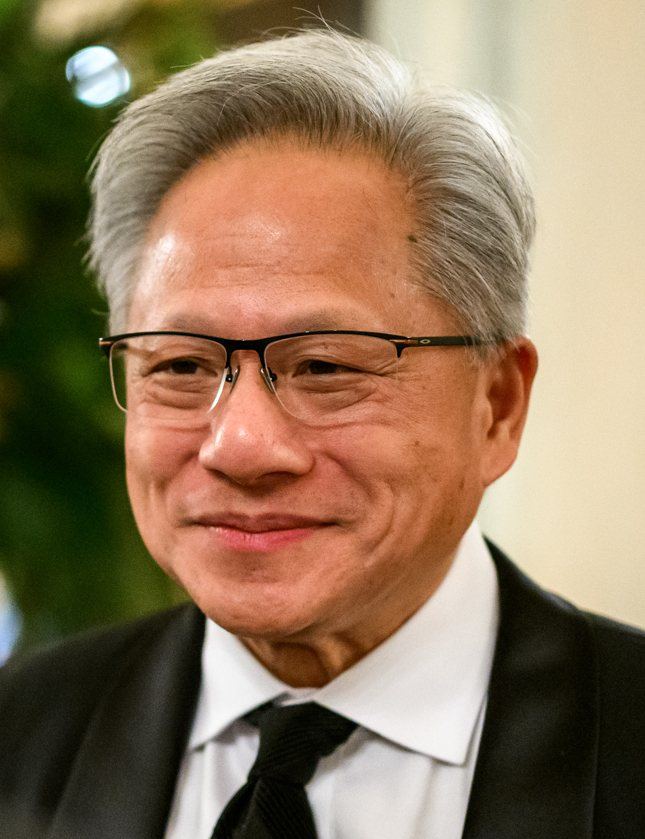
5 Local Western3 Asian3 Western Mainstream4 Other source typesPhoto: The White House / US federal government, Public domain · Cropped for layout
This article is an automated aggregation of coverage from news outlets. Our editorials offer in-depth analysis curated by the NewsCord team.
US intelligence memo claims Jensen Huang had a romantic relationship with Alice Huang, espionage suspect. Alice Huang recruited by China's MSS to monitor Nvidia CEO and access its AI chips.
Save coverage image
Memo and alleged romance
A US intelligence memo alleged that Nvidia CEO Jensen Huang had a romantic relationship with Alice Huang, a Chinese businesswoman suspected of spying for Beijing, and the allegation raised fears of a potential honey trap targeting a technology executive. The memo reportedly said the 63-year-old Nvidia boss became romantically involved with Alice Huang, an executive at Singapore-based Megaspeed, and US intelligence officials believed she was recruited by China’s Ministry of State Security to gather information about Huang.
The Financial Times reported that American officials prepared the classified memo earlier this year and circulated it among a small group of senior government officials shortly before President Donald Trump’s trip to Beijing in May for talks with Chinese President Xi Jinping. The New York Times previously disclosed that Huang had developed a 'close relationship' with the Chinese executive but stopped short of describing it as romantic, while the Daily Mail framed the relationship as intimate and tied it to an intelligence operation.
Briefings, denials, and access
US officials reportedly notified Trump and select American officials about the intelligence concerns before his trip to Beijing with Nvidia’s CEO and Elon Musk, and the president reportedly took no action.
Nvidia spokesperson John Rizzo said, "Mr. Jensen’s exchanges with Ms. Huang are neither unusual nor surprising," and he added that clients like Megaspeed "receive routine commercial information" rather than sensitive trade secrets or national security information.
Megaspeed said its current management takes the matter very seriously and committed to shedding light on the allegations, and the company added that it had hired an external law firm to conduct a thorough internal investigation.
China rejected the allegations as “groundless speculation” and an attempt to smear the country, while the Daily Mail said Nvidia had not commented on the alleged romance or the intelligence memo.
Chips, lawmakers, and next steps
The allegations tied Alice Huang to efforts to influence Nvidia’s position on supplying advanced chips to China, and the Daily Mail said US intelligence believed she could potentially influence his decisions.
The TechCrunch report said a separate New York Times report examined New Matrix, a Chinese company authorized by the U.S. Commerce Department to buy advanced Nvidia chips, and reporters found “a hollow gray shell” at the office address listed by New Matrix.
The Les Numériques report said three House of Representatives committees wanted to hear Jensen Huang in a closed session, and it added that on November 18 he would answer questions about his contacts with Alice Huang and Nvidia’s protections against espionage.
The controversy also intersected with export controls and chip access, and the Daily Mail said Nvidia was valued at more than $5 trillion and produced advanced processors essential to developing sophisticated AI systems.