Full story
Strikes widen, Hormuz threatened
The United States intensified strikes against Iran on Thursday, hitting targets farther north and firing into a ship the U.S. accused of trying to break its naval blockade on the Islamic Republic, while Iran retaliated with missiles and drones at U.S. allies in the region.
Iranian officials said U.S. strikes have killed more than 35 people and wounded over 300 others, and the AP reported that for the first time in this latest round of violence, strikes reached into areas around Iran’s capital, Tehran.

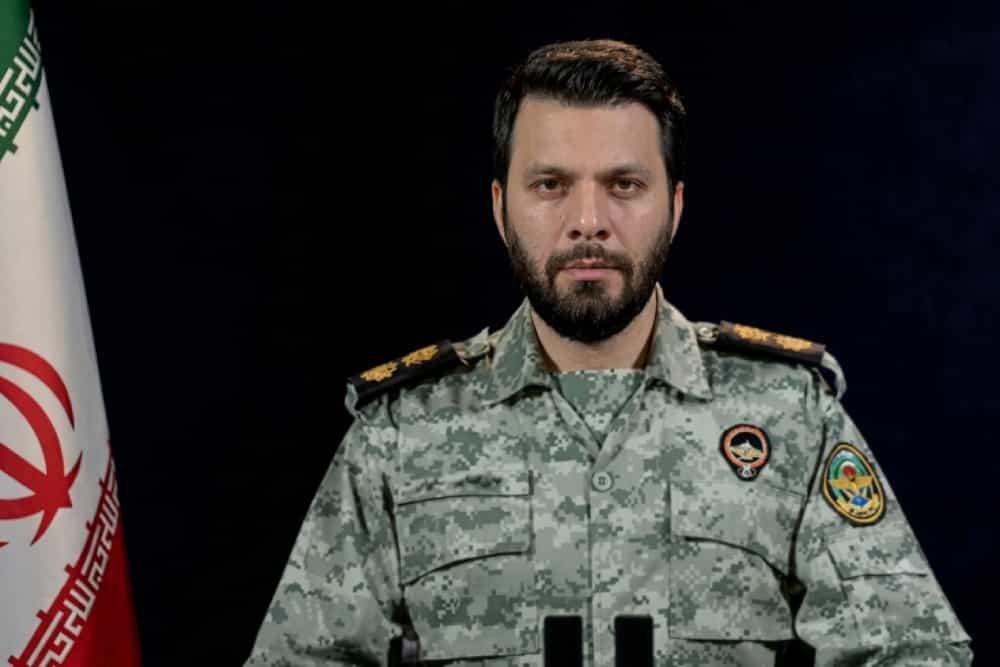
AP also reported that Col. Ebrahim Zolfaghari, a spokesperson for the Iranian military’s Khatam al-Anbiya Central Headquarters, threatened that Iran could launch widespread attacks on “all the infrastructure in the region” if the U.S. acted on President Donald Trump’s warnings about bridges and power plants.
In a separate account, CNN quoted Ebrahim Zolfaghari saying Iran will “under no circumstances” permit the U.S. to “interfere” with the Strait of Hormuz, calling it “This is Iran’s unbreakable red line.”
Red line rhetoric, ceasefire collapse
The AP said the interim ceasefire agreed to last month has collapsed, as the region endured days of back-and-forth attacks by the U.S. and Iran while both sides battled for control of the Strait of Hormuz.
AP reported that the U.S. launched a second wave of strikes late Thursday, saying it was aiming to “further degrade” Iran’s military capabilities, and it described strikes around Tehran and Semnan province as well as other provinces including Hamedan, Hormozgan, Khuzestan, Lorestan, Markazi, and Sistan and Baluchestan.

In the same escalation, NewsNation said the United States was beginning a fifth evening of strikes against Iran, with Central Command announcing the strikes began at 2 p.m. ET to “further degrade Iranian military capabilities.”
NewsNation also reported that an Iranian military spokesperson vowed any response would be “fiercer, wider-ranging and more ruinous than ever,” after Iran warned Thursday that U.S. interference in the Strait of Hormuz is a “red line.”
Regional fallout and what’s at risk
The AP reported that Iran retaliated Thursday with missile and drone attacks on Bahrain, Jordan and Kuwait, and it said there was no immediate acknowledgment of damage or casualties from the attacks.
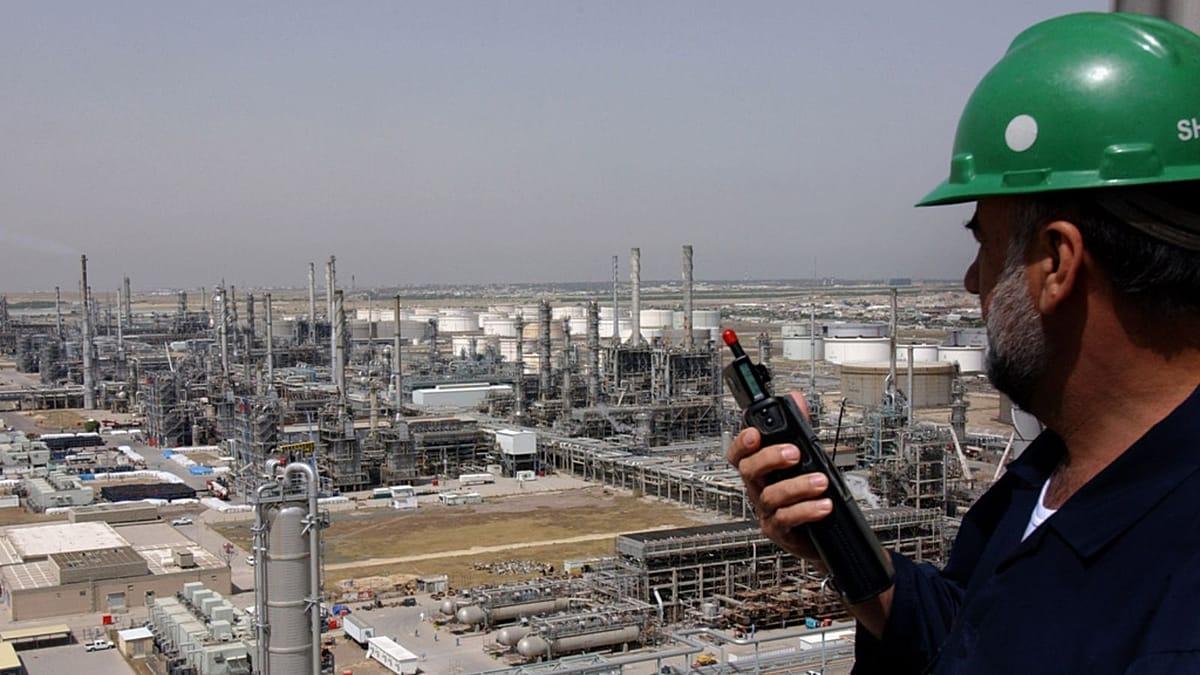
AP also described how the fighting focused on the Strait of Hormuz, noting that when the U.S. and Israel launched the war on Iran on Feb. 28, Tehran effectively closed the strait to shipping traffic, sending the price of oil soaring and giving Iran major leverage in negotiations.
In parallel, NewsNation reported that Iraq suspended crude loading at all Basra oil terminals Thursday after a drone struck an oil tanker near the port, and it said the vessel was damaged but did not catch fire.
The AP further reported that week-to-week cargo shipments through the strait dropped by almost a quarter at the beginning of the month, according to Maritime data firm Lloyd’s List Intelligence, and it linked the disruption to the risks of the renewed tit-for-tat attacks.