
US Intercepts Iranian Tankers Near India, Malaysia, Sri Lanka Amid Maritime Blockade
Key Takeaways
- U.S. forces intercepted at least three Iranian-flagged oil tankers near India, Malaysia and Sri Lanka.
- The intercepts are part of Washington's maritime blockade aimed at Iran's trade by sea.
- Iran calls US seizure a ceasefire violation and seeks immediate crew release.
Intercepts in Asian waters
The United States military intercepted at least three Iranian-flagged oil tankers in Asian waters and redirected them away from positions near India, Malaysia and Sri Lanka, according to Reuters-cited shipping and security sources.
The interceptions were described as part of Washington’s maritime blockade on Iran, with the Times of India reporting that US forces redirected vessels away from positions near India, Malaysia and Sri Lanka “amid an ongoing maritime blockade on Iran.”

The vessels identified across the reports included the supertankers Dorena, Deep Sea and Sevin, with Dorena described as carrying about 2 million barrels of crude and being last seen off India’s southern coast.
The Times of India said the Dorena was “now under escort by a US Navy destroyer in the Indian Ocean,” while Türkiye Today likewise reported that “CENTCOM confirmed the Dorena was under escort by a U.S. Navy destroyer in the Indian Ocean following an attempt to breach the blockade.”
Multiple outlets tied the operational pattern to enforcement beyond the Strait of Hormuz, with Nation Thailand describing “a significant escalation of maritime pressure on Tehran” and Georgia Today saying the interceptions occurred “near maritime zones close to India, Malaysia, and Sri Lanka.”
The reporting also included a possible fourth tanker, Derya, with the Times of India saying shipping sources indicated it “may have been intercepted after failing to offload Iranian crude in India before a US waiver expired.”
In parallel, the United States Central Command (CENTCOM) confirmed a broader scale of enforcement, with the Times of India stating it had directed “at least 29 vessels to turn back or return to port since the blockade began.”
Blockade and the mine risk
The interceptions were framed as part of a tightening US effort to disrupt Iran’s seaborne trade while also reducing risks from floating mines, with Reuters cited by the Times of India saying US forces have increasingly targeted vessels outside the Strait of Hormuz, including in open waters.
The Times of India reported that the US move came as Washington tightened restrictions on Tehran’s seaborne trade “during a fragile ceasefire in the ongoing conflict,” and it linked the operational shift to mine risk by stating US forces targeted vessels “to reduce risks from floating mines.”

The Nation Thailand report similarly described the US action as “a tactical shift aimed at reducing risks associated with potential floating mines in the congested passage,” and it said the campaign appeared to be part of a broader strategy of “maximum economic pressure.”
In addition to the intercepts, the reports described the blockade’s impact on global energy flows, with the Times of India saying the closure of the Strait of Hormuz—“through which about 20% of the world’s oil and gas flows in normal times”—triggered a wider energy crisis and sharply reduced exports.
Nation Thailand echoed the disruption, stating “The blockade has disrupted the flow of more than one-fifth of the world’s oil and natural gas supply, fuelling a deepening energy crisis.”
The Al-Monitor Reuters dateline added that the closure of the strait had disrupted “a fifth of the world's oil and gas supplies,” and it described the situation as occurring “nearly two months after the U.S. and Israel began their war on Iran.”
Forbes also tied the broader blockade timeline to a specific date, stating “The U.S. implemented a naval blockade on April 13 on ships coming to and from Iran.”
Iran’s response and ceasefire friction
While the US intercepts were being reported, the sources also described Iran and the US trading accusations and actions in the Strait of Hormuz region.
The Times of India said tensions intensified in recent days, adding that “Iran firing on ships and seizing two container vessels in the strategic waterway,” and it noted that the developments came despite US President Donald Trump extending a ceasefire to allow more time for diplomacy.
It also reported that Iran had accused the US of acting in “bad faith,” and it said planned negotiations in Islamabad were delayed after Tehran did not confirm participation.
Forbes likewise described the immediate context, saying “Earlier Wednesday, Iran fired on three ships in the Strait of Hormuz and seized two of them,” and it added that Iranian leaders said they would only agree to a lasting ceasefire and reopening of the Strait of Hormuz if the US lifts its naval blockade and if Israel also commits to a ceasefire.
Forbes quoted Iranian President Masoud Pezeshkian writing on X that Iran “has welcomed dialogue and agreement and continues to do so,” but that the US naval blockade, “breach of commitments” and “threats are main obstacles to genuine negotiations.”
It also reported that Iranian Parliament Speaker Mohammad Bagher Ghalibaf said on X that a ceasefire could only happen if the US ended the blockade and that Israel cease from “Zionist warmongering” (according to an X translation).
NDTV Profit described traffic through the Strait of Hormuz as “at a near standstill.”
Different outlets, different emphasis
The reporting diverged in how it framed the same core event—US intercepts and redirections of Iranian tankers—especially in the level of detail about quantities, the emphasis on mine risk, and the portrayal of diplomatic prospects.
The Times of India emphasized the operational rationale and timeline, saying US forces have increasingly targeted vessels outside the Strait of Hormuz “to reduce risks from floating mines,” and it described the Dorena as “carrying about 2 million barrels of crude” and “now under escort by a US Navy destroyer in the Indian Ocean.”

Türkiye Today, while also citing Reuters, highlighted the geographic expansion by stating the move was “seen as a significant expansion of the Iranian naval blockade beyond the Strait of Hormuz and the Persian Gulf into open-ocean operations,” and it specified that the Sevin tanker had “carrying approximately 65% of its load.”
Georgia Today, also citing Reuters, focused on the interception mechanics by saying US forces “stopped three tankers sailing under the Iranian flag and altered their course near maritime zones close to India, Malaysia, and Sri Lanka,” and it added that CENTCOM confirmed “a total of 29 vessels to return to port.”
Al-Monitor’s Reuters account used a broader conflict framing, saying the US had imposed a blockade on Iran’s trade by sea while Iran “has fired on ships to prevent them sailing through the Strait of Hormuz waterway,” and it described the closure as causing “a global energy crisis.”
South China Morning Post emphasized the energy disruption and said “The closure of the strait has disrupted supply of a fifth of the world’s oil and gas supplies,” while also noting that “Iran said it had captured two container ships seeking to exit the Gulf via the Strait of Hormuz on Wednesday.”
Forbes added a political and institutional angle by describing a “major personnel shakeup” in the Pentagon, stating “Navy Secretary John C. Phelan would be leaving the Trump administration “effective immediately.””
What comes next
The sources portray the intercepts as part of a continuing maritime standoff with consequences for shipping, energy markets, and diplomatic timelines.
The Times of India said the standoff “shows little sign of easing,” and it described global energy markets as “on edge,” with the closure of the Strait of Hormuz triggering a wider energy crisis.

It also reported that prospects for renewed talks remain uncertain and that Iran had accused the US of acting in “bad faith,” while negotiations in Islamabad were delayed after Tehran did not confirm participation.
NDTV Profit tied the immediate operational impact to the Strait of Hormuz being “at a near standstill,” and it said the disruption had “deepened a global energy crisis.”
Türkiye Today added that CENTCOM said it had directed 29 vessels, later revised to 31 in a later statement, to turn around or return to port, and it noted that the US military had not publicly listed all ships it has intercepted.
Forbes added a longer-horizon operational risk by reporting that “clearing Iranian mines from the Strait of Hormuz could take six months,” which it said would “prolong the economic consequences of its closure.”
Across the reporting, the next steps repeatedly circle back to enforcement and diplomacy: the US continues to order vessels to turn back or return to port, while Iran continues to seize and escort ships in the Strait of Hormuz and sets conditions for any lasting ceasefire.
More on Iran
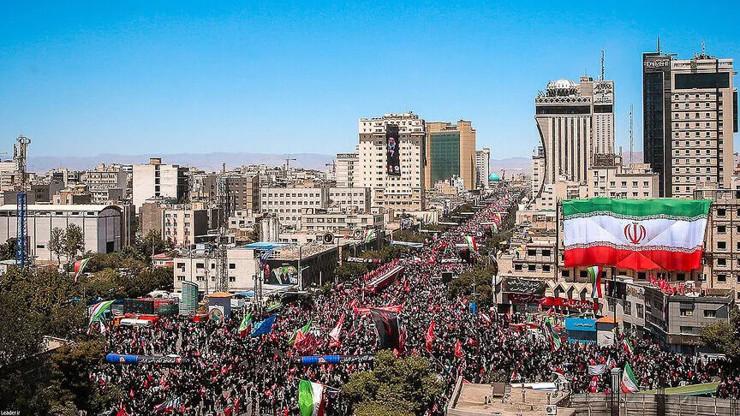
Israeli Strike Kills Ayatollah Ali Khamenei, Buried at Imam Reza Shrine in Mashhad
19 sources compared
Iran Attempts To Restore Nuclear Sites Damaged In US And Israel Strikes, CNN Satellite Images Show
15 sources compared
Abbas Araghchi and Prince Faisal Bin Farhan Discuss Regional Developments After US Attacks
11 sources compared

Trump Says U.S. Agreed to Continue Iran Talks, Ceasefire Is Over
19 sources compared