US-Iran Peace Talks Collapse Over 20-Year Nuclear Suspension Demand
Key Takeaways
- US demanded a 20-year freeze on Iran's uranium enrichment during talks
- Iran offered a five-year pause, rejecting a 20-year moratorium
- Talks collapsed with no agreement after impasse on nuclear timetable
Nuclear Negotiations Collapse
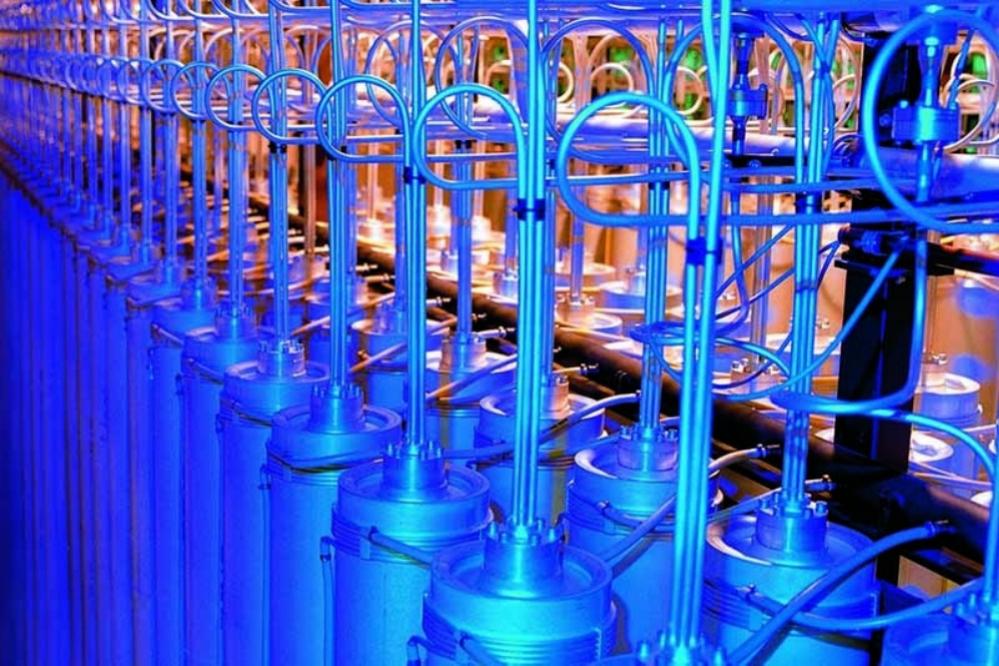
The weekend peace talks between the United States and Iran in Islamabad collapsed over sharp differences on Tehran's nuclear program.
The Trump administration demanded a 20-year suspension of uranium enrichment, while Iran offered only five years.
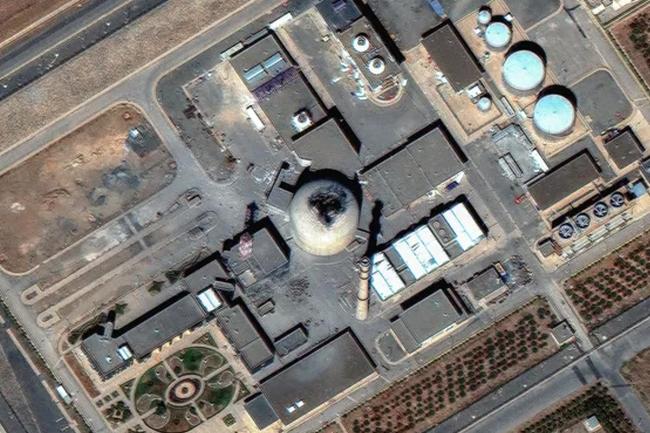
The New York Times noted that the United States proposed a 20-year suspension, allowing Iran to claim it had not permanently given up its rights under the Nuclear Nonproliferation Treaty.
The Dhaka Tribune reported that the impasse on Tehran's nuclear activities ended the talks, but officials said the dialogue was still alive.
The Guardian quoted Clean Clothes Campaign spokesperson Ineke Zeldenrust saying the audit system was fundamentally broken.
Strait of Hormuz and Sanctions
The talks also addressed Iran's blockade of the Strait of Hormuz, a major transit point for global energy supplies.
Reuters reported that the talks unfolded across two separate wings and one common area in Islamabad's Serena Hotel.

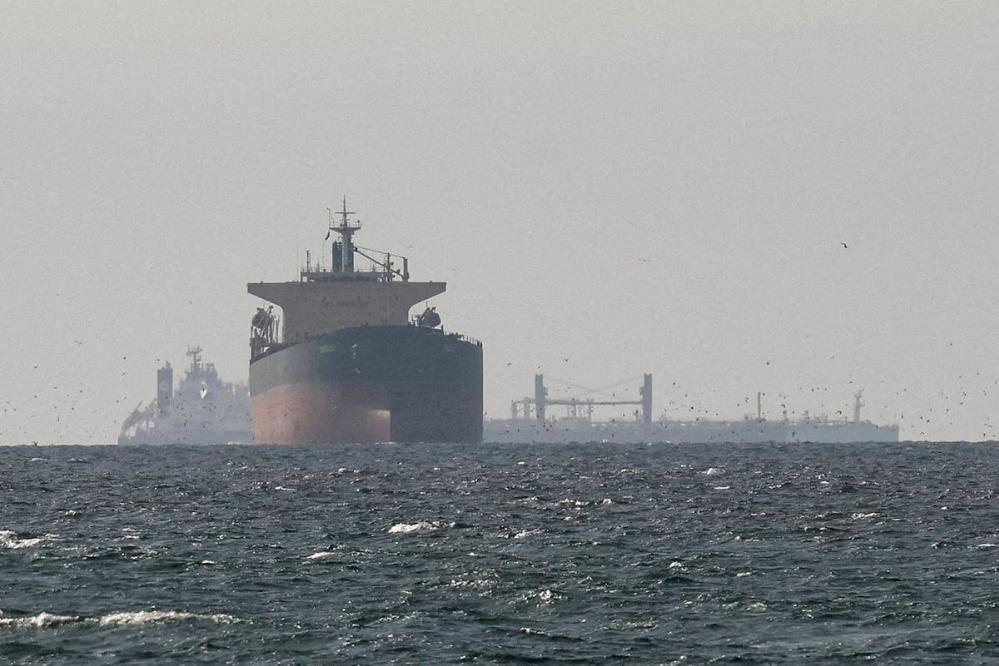
The Guardian noted that the Trump administration began a naval blockade of Iranian ports on Monday.
The National reported that control of the Strait of Hormuz was Tehran's key leverage.
The Guardian quoted Dr. Sultan Al Jaber saying Iran's attempt to close the strait is a direct threat to the energy, food and health security of every nation.
Mistrust and Historical Grievances
Iran's deep mistrust of the United States and the legacy of broken agreements loomed over the talks.
The 2015 JCPOA had managed to guarantee what neither threats nor war have achieved so far.
Tehran opened its nuclear facilities to a strict regime of international inspections and removed 97% of its highly enriched uranium.
Iran considers producing nuclear fuel itself to be a sovereign and inalienable right.
The new supreme leader committed to respecting a religious edict prohibiting nuclear weapons, but this nod did not seem to have produced any effect.
Diplomatic Dynamics and Next Steps
The talks were described as tough but became a friendly and productive exchange of proposals.
Pakistani, Egyptian and Turkish mediators continued efforts to bridge the remaining gaps.

The two sides had reached a general framework for negotiations.
The Trump administration's effort aimed to avoid a repeat of the 2015 JCPOA.
Rob Malley said if they could get Iran to suspend for even a few years, that is superior to what was achieved in the JCPOA.
More on Iran
US Imposes Naval Blockade on Iranian Ports, Threatens to Destroy Warships
20 sources compared

Trump Orders U.S. Navy Blockade of Iran’s Strait of Hormuz Escalating Tensions
16 sources compared
U.S. and Israeli Attacks Cripple Iran's Economy, Trigger Massive Inflation and Job Losses
13 sources compared

Trump Threatens Cuba After Finishing War Against Iran
17 sources compared