
US, Israel Strike Iran; Iran Hits Israel and US Bases, War Escalates to Moderate Risk
Key Takeaways
- A war involving Iran is underway
- The conflict has driven up global oil and gas prices
- Higher energy prices are straining consumers and vulnerable economies
Escalation and risk shift
The conflict in the Middle East has escalated into direct strikes between Iran and both the United States and Israel.
“S&P Global said it would not make any knee-jerk sovereign rating cuts after the outbreak of war in the Middle East but warned on Thursday that soaring oil and gas prices were putting a number of already cash-strapped countries at risk”
S&P Global described the situation as involving "US and Israeli strikes against Iran and Iranian strikes against Israel, US bases and Gulf states" and said the crisis was moving "from a low- to a moderate-risk scenario."

At the same time S&P cautioned it would not make any "knee-jerk sovereign rating cuts" immediately, while USA TODAY framed the confrontation as a widening "war on Iran" that is already driving up global energy costs.
Energy market impact
Energy markets reacted sharply as the crisis affected key shipping routes and prompted emergency policy moves.
USA TODAY reported that "Energy prices have increased since the near-total shutdown in early March of the Strait of Hormuz," a waterway that carries "20% of the world’s oil shipments and about 20% of the world’s seaborne liquified natural gas."
Oil prices began rising on March 3, and the International Energy Agency announced a record release of "400 million barrels of oil" from emergency reserves to limit shortages.
Regional fiscal resilience
S&P analysts assessed regional fiscal resilience unevenly: they said "Most Gulf countries had enough fiscal buffers, however, to weather the crisis for a while," but identified "more lowly rated Bahrain the only clear exception."
“S&P Global said it would not make any knee-jerk sovereign rating cuts after the outbreak of war in the Middle East but warned on Thursday that soaring oil and gas prices were putting a number of already cash-strapped countries at risk”
The analysis flagged sector-specific vulnerabilities, warning that "Qatar’s banking sector could also struggle if there were significant deposit outflows in reaction to the conflict, although there was no evidence of such strains at the moment."
Asia exposure and warning
S&P singled out Asia as "the second-most exposed region," citing countries with low reserves and heavy import dependence such as India, Thailand and Indonesia, as well as already heavily indebted nations including Pakistan, Bangladesh and Sri Lanka.
Roberto Sifon-Arevalo, S&P’s head global sovereign analyst, warned that "the longer the crisis was prolonged, though, 'the more difficult it is going to be'," underscoring why analysts said they were "closely monitoring these countries to see how the credit stories evolve."
More on Africa

Somaliland Offers US Exclusive Access to Minerals and Military Bases to Win Recognition
10 sources compared
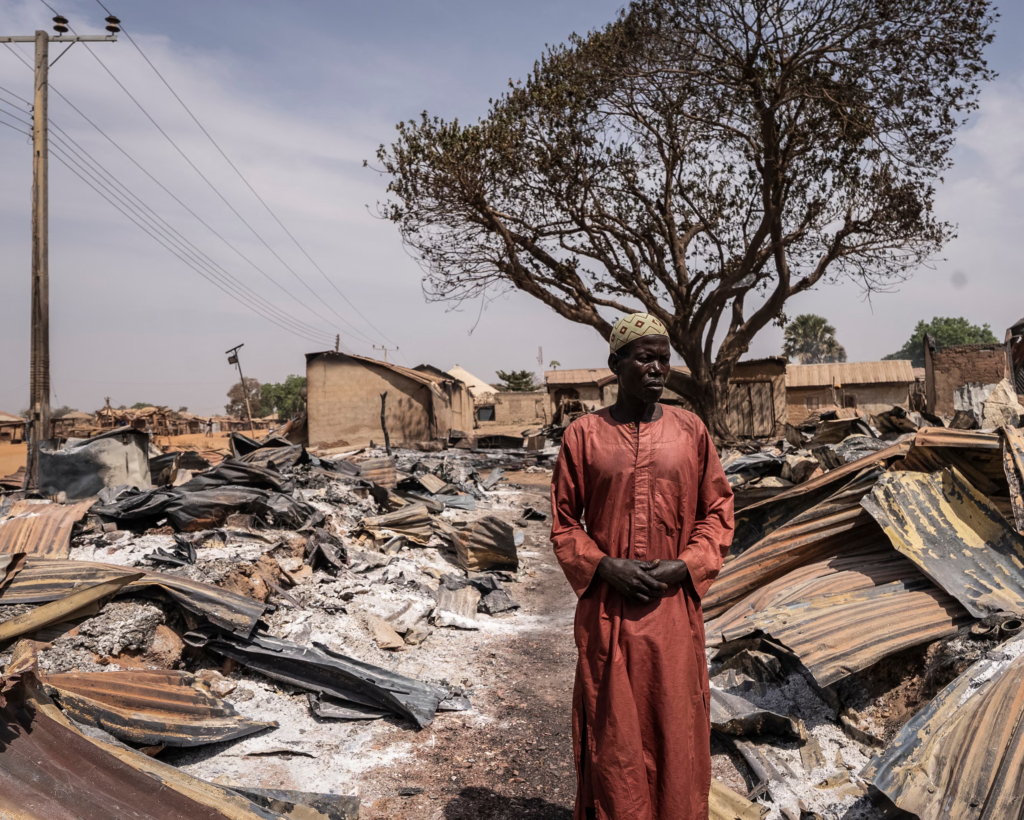
Boko Haram Gunmen Massacre Scores of Villagers in Kwara and Katsina After Sending Letter Asking to Preach
19 sources compared
Boko Haram Gunmen Massacre Villagers in Kwara After Sending Letter Asking to Preach
20 sources compared
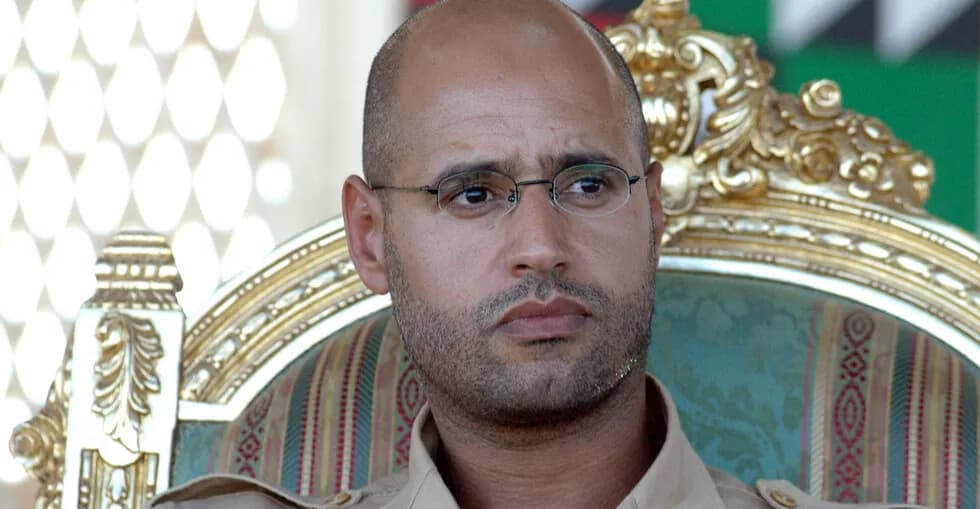
Four Masked Gunmen Assassinate Saif al‑Islam Gaddafi at Zintan Residence
30 sources compared