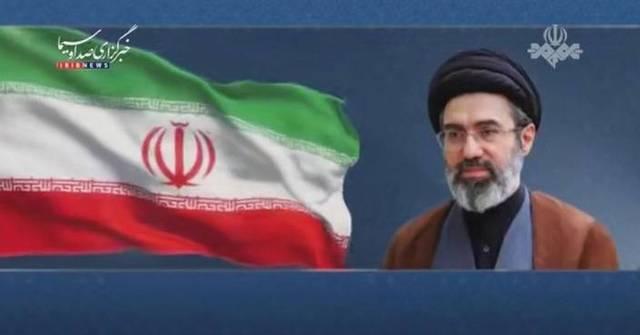
U.S. Launches New Strikes Against Iran After Apache Helicopter Downing Near Strait of Hormuz
Key Takeaways
- U.S. launches self-defense strikes on Iran after Apache downing near Strait of Hormuz.
- Iran retaliated with strikes on U.S. bases in Bahrain, Kuwait, and Jordan.
- Iran's supreme leader says regional states will no longer shield U.S. bases.
Strikes After Apache Downing
The U.S. launched a new round of strikes on Iran after an American Army Apache helicopter was downed near the Strait of Hormuz, with DW saying the blasts were reported in southern Iran near the Strait of Hormuz and that IRIB reported an explosion in Bandar Abbas.
DW reported that the U.S. military command said strikes started at 5:15 p.m. ET "against multiple targets in Iran at the Commander in Chief’s direction" and described them as a response to "Iran’s unwarranted and continued aggression."

NPR said the U.S. completed strikes on Iran Tuesday night in response to the downing of the Apache helicopter on Monday, and it said Iran responded early Wednesday by targeting U.S. military bases in Bahrain, Kuwait and Jordan.
NPR added that the U.S. struck "Iranian air defense, ground control stations, and surveillance radar sites near the Strait of Hormuz," while Iranian Revolutionary Guard said it conducted drone and missile attacks on the U.S. Navy's 5th Fleet in Bahrain.
In a separate account, Time reported Trump threatened further strikes and said, "Well, we’re going to be attacking them, attacking them very hard," after Washington and Tehran exchanged fresh fire into the early hours of Wednesday morning.
Calls for Restraint
As the U.S.-Iran escalation continued, Russia and China urged restraint, with Tehran Times quoting Maria Zakharova saying, "We call on both sides to exercise restraint and to immediately cease military attacks."
Tehran Times also quoted Chinese Foreign Ministry spokesperson Lin Jian urging parties to "remain calm, exercise restraint, stop exacerbating confrontation and escalating tensions" and to "stick to political and diplomatic means for resolving disputes."

Time reported Trump told reporters in the Oval Office that "We hit them hard yesterday and we’re going to hit them hard again today," and it said he accused Tehran of "playing us for suckers."
NPR reported that Iran’s foreign minister responded to the latest U.S. strikes by saying, "Our Powerful Armed Forces will leave no attack or threat unanswered."
In Tehran Times’ account, Pakistan’s UN ambassador Asim Iftikhar told the UN Security Council that the "surge in violence in the Middle East is a stark reminder" of the dangers tied to a tenuous ceasefire.
Regional Fallout and Stakes
The exchange of strikes spilled into multiple countries, with NPR reporting that Jordan said it shot down five Iranian missiles and that shrapnel from the interceptions caused no damage or casualties.
NPR also said Iran claimed it hit reservoirs that provide drinking water to 20,000 people, while Bahrain and Kuwait urged residents to seek shelter as sirens sounded overnight.
DW reported that Trump said the U.S. had been involved in a "secret mission" to get oil tankers through the Strait of Hormuz and that he announced "more than 100 MILLION Barrels of Oil" had been making its way through the strait.
In the same DW account, UN secretary-general warnings framed the risk of escalation, saying there is a risk of a "lesser fire" becoming a "full war."
NPR described the broader uncertainty around diplomacy, saying it was "unclear what this means for the overall ceasefire" that had been in effect since April, even as both sides continued peace talks despite flare ups.
More on Iran
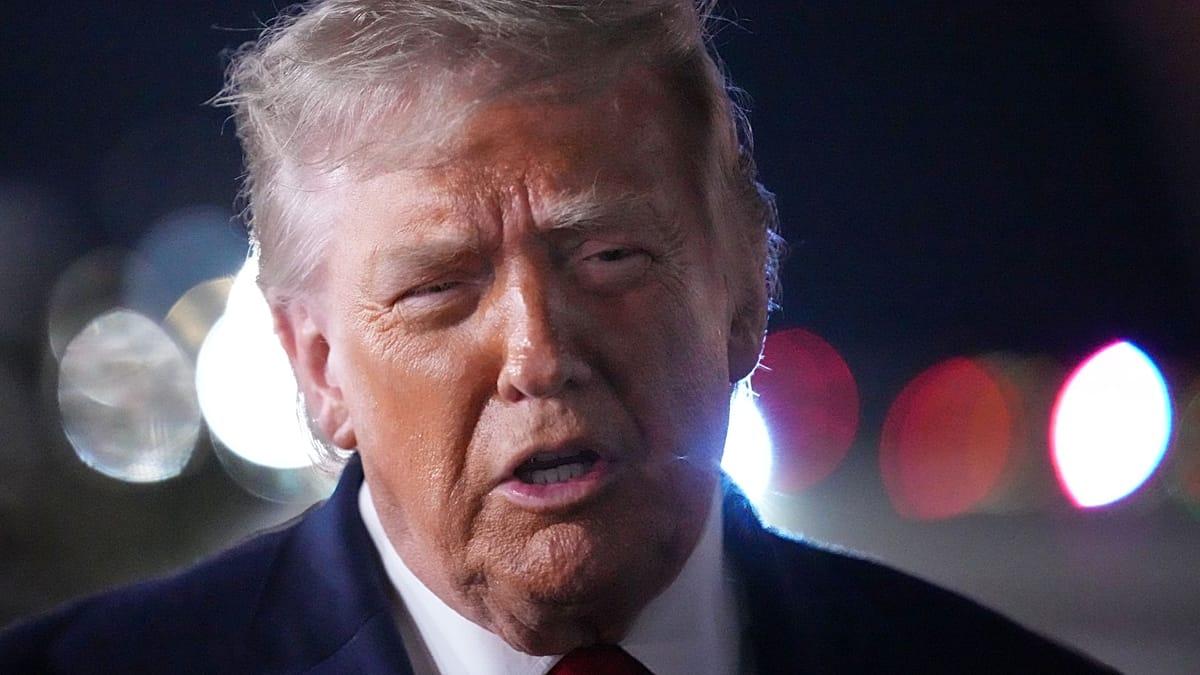
U.S. Military Strikes Multiple Targets in Iran After Bahrain, Kuwait, Jordan Face Iranian Fire
12 sources compared

U.S. Launches Self-Defense Strikes on Iran After Apache Helicopter Downing Near Strait of Hormuz
14 sources compared
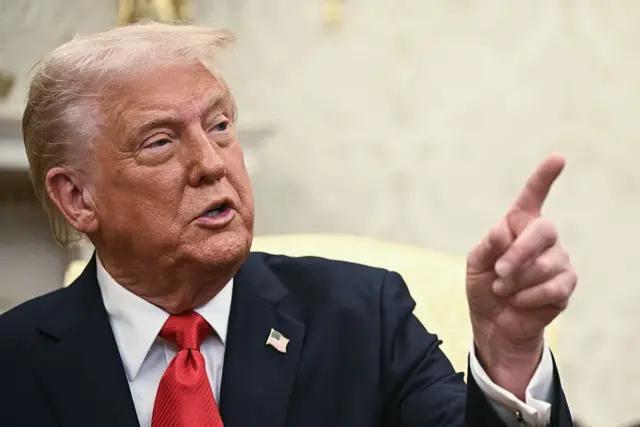
U.S. Military Strikes Multiple Targets in Iran After Trump Warns Tehran Will Pay Price
16 sources compared
U.S. Launches Self-Defense Strikes Against Multiple Targets in Iran After Helicopter Downing
12 sources compared