USA14 November, 20253 min read
U.S. Launches Operation Southern Spear to Strike Latin American Drug Cartels Tied to Venezuela's Maduro
This article is an automated aggregation of coverage from news outlets. Our editorials offer in-depth analysis curated by the NewsCord team.
United States launched a large-scale military and intelligence operation targeting Latin American drug cartels Defense Secretary Pete Hegseth announced U.S. Southern Command would lead a Joint Task Force

7 outlets told this the same way.
U.S. operation against cartels
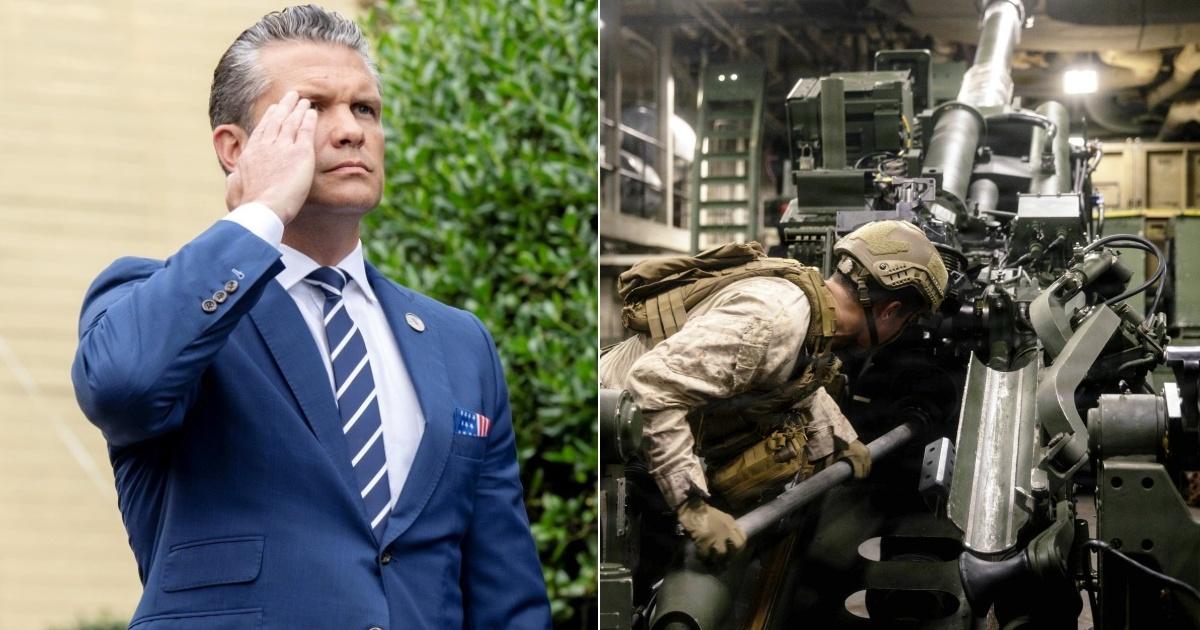
U.S. Defense Secretary Pete Hegseth announced a new U.S. military initiative aimed at combating powerful drug‑trafficking networks in Latin America.
“Operation SOUTHERN SPEAR, to be led by Joint Task Force Southern Spear in coordination with U.S. Southern Command (SOUTHCOM).”
Reports differ on the operation's exact name, but they center on a campaign to target groups tied to Venezuela.
INVC NEWS calls it 'Operation Southern Spear' and describes a major military and intelligence campaign to dismantle cartels Washington says are tied to Venezuelan President Nicolás Maduro.
EconoTimes reports the initiative as 'Operation SOUTHERN SPEAR' led by Joint Task Force Southern Spear with SOUTHCOM coordination.
fakti.bg reports an announcement naming it 'Operation Southern Clover' and frames the goals as protecting the homeland and eliminating 'narco‑terrorists'.
Channels Television reports Hegseth announced a new phase of the mission dubbed 'Operation Southern Spear'.
Folha de S.Paulo uses the name 'Operation South Spear' and says the mission was ordered by President Trump.
These accounts converge on a U.S. effort to target drug cartels in the hemisphere but differ on the operation's exact name and some framing details.
Reports on Southern Spear
Reports differ on the operation’s scope and the assets being deployed. INVC NEWS says the operation deploys the Pentagon’s largest operational warship to the region to act as a defensive shield, provide intelligence, and coordinate maritime surveillance. INVC NEWS frames 'Southern Spear' as a combined effort of the navy, Coast Guard, intelligence services, and allied partners intended to choke cartel logistics.
Folha de S.Paulo reports a U.S. buildup, noting the recent deployment of the aircraft carrier USS Gerald Ford and increased patrols. EconoTimes emphasizes SOUTHCOM support and reports that detailed operational plans have not been released. Channels Television reports a carrier’s arrival off Latin America and notes officials gave no details about how the new phase differs from existing activities.
fakti.bg likewise says Hegseth provided no operational details. Together, these accounts describe a significant naval presence and coordination with SOUTHCOM while showing divergence over how openly operational specifics are being shared.
U.S.-Venezuela security tensions
U.S. reporting frames some cartel-linked groups as increasingly militarized and links them to Venezuela. INVC NEWS reports U.S. claims that Venezuelan-backed groups have become 'militarized trafficking syndicates' using advanced weapons, drones and safe havens. INVC NEWS also positions Southern Spear as a multi-agency effort to dismantle cross-border criminal structures.
“Venezuelan-backed groups have become ‘militarized trafficking syndicates,’ using advanced weapons, drones and safe havens.”
Folha de S.Paulo records U.S. accusations that Venezuela’s Nicolás Maduro is involved in trafficking and corruption, but notes Maduro denies these claims and his government had not responded. EconoTimes and fakti.bg relay Hegseth’s language about removing 'narco-terrorists' and protecting the homeland. Fakti.bg additionally reports a CBS claim that Hegseth and Joint Chiefs Chair Dan Kaine told President Trump about possible decisive military measures against Venezuela 'in the coming days'.
Channels Television highlights rising tensions with Venezuela, which vowed a 'massive' retaliatory deployment. Together, these sources present U.S. allegations, local denials, and concerns about potential escalation.
Debate over Caribbean strikes
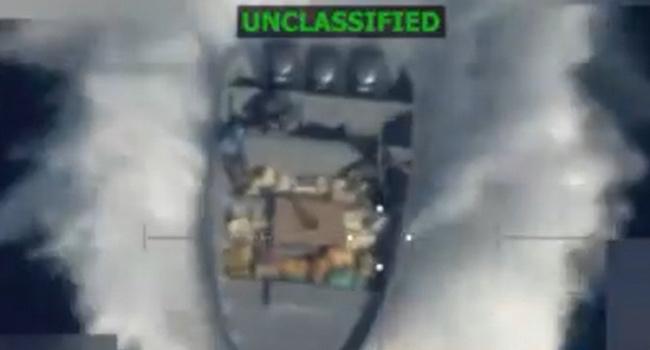
Coverage highlights controversy and questions about evidence, casualties, and escalation risks. Folha de S.Paulo reports the Pentagon said a recent attack in the Caribbean killed four people described as "narcoterrorists". The report adds that at least 79 people have reportedly died in these actions, and critics say there is no presented evidence that the targeted boats were transporting drugs.
fakti.bg notes White House Press Secretary Caroline Leavitt said the administration will continue using force to disrupt drug trafficking in the Caribbean. EconoTimes and Channels Television emphasize the lack of operational specifics released publicly.

INVC NEWS frames the campaign as a coordinated interagency effort to choke cartel logistics and trace financial flows. Together, these reports show a mix of assertive U.S. action claims, public skepticism about evidence, and warnings about regional escalation.