Full story
Strikes, talks, and Hormuz
The United States launched multiple strikes on Iran after Iran violated a memorandum of understanding by firing on commercial vessels in the Strait of Hormuz, and Iran retaliated against U.S. targets in the region, according to the Express Tribune.
The White House said Iran continued to talk to the United States and wanted to make a deal, with White House spokesperson Karoline Leavitt saying, “Iran very much continues to talk to the United States of America and express that they want to make a deal with us because they are suffering devastating blows on behalf of our United States military,”.

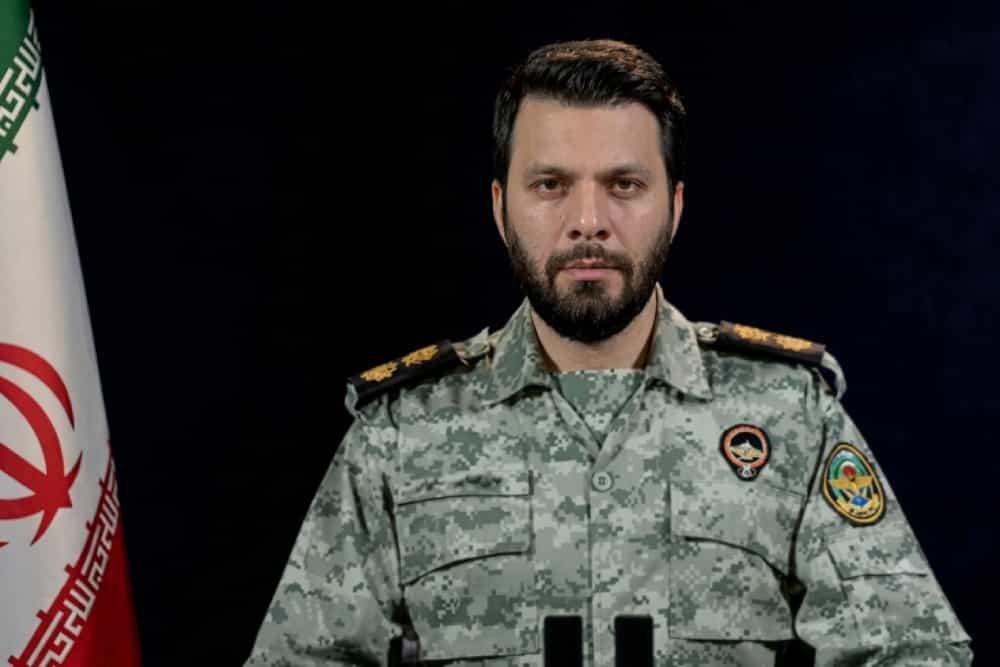
Iran’s army spokesman Brigadier General Mohammad Akraminia said the Strait of Hormuz was an inviolable “red line,” adding, “We will undoubtedly resist until the end and will neutralize American interventions in the region”.
Reuters reported that the U.S. reimposed a naval blockade of Iran’s ports aimed at reopening the Strait of Hormuz, which Iran closed after a fragile truce collapsed, and that Iran said it would strike “all remaining infrastructure” if President Donald Trump carried out threats against Iranian infrastructure.
The standoff also drew statements from Yemen’s Houthi leader Sayyed Abdul-Malik Al Houthi, who accused the U.S. and Israel of being “the source of evil and instability in the world,” in a televised address cited by the Express Tribune.
Retaliation and threatened escalation
Iran warned that the Strait of Hormuz was an inviolable “red line,” and Reuters reported that if Trump attacked Iran’s infrastructure, Iran would strike “all infrastructure across the Gulf region.”
Iran’s army said it carried out drone attacks against U.S. bases and facilities in Kuwait and Bahrain, with IRIB reporting targets including “radar systems, a Patriot air defense system, and fuel storage facilities at Ali Al Salem Air Base” in Kuwait.

In response to the U.S. strikes, Iran’s military command threatened to destroy “all infrastructure throughout the region,” according to a statement published in Iranian state media cited by NPR.
NPR reported that Iran said 35 people have been killed and over 300 were wounded in strikes in Iran since the beginning of the current wave of attacks, while the U.S. Central Command said it struck Iranian command centers, air defense sites and missile and drone capabilities to further degrade Iran’s ability to threaten mariners.
The U.S. also struck and disabled an unladen oil tanker, with CENTCOM saying the Curaçao-flagged commercial vessel Belma “ignored multiple warnings as it attempted to violate the U.S. blockade,” as it transited international waters toward Kharg Island.
Regional stakes and energy routes
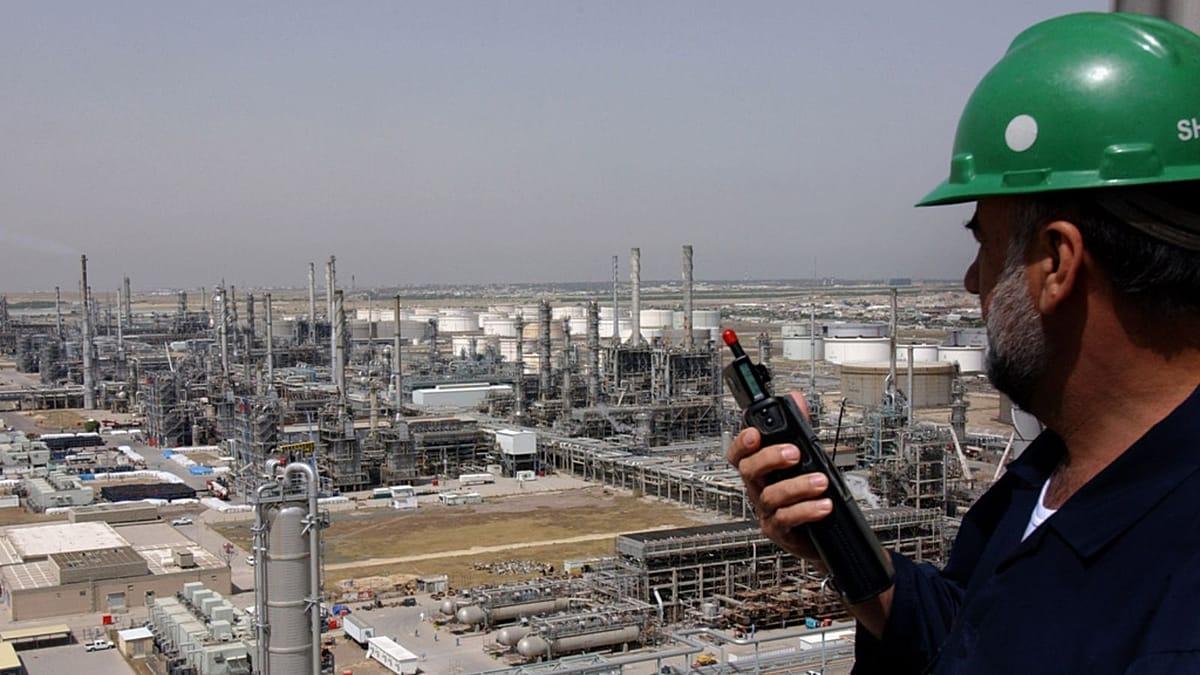
The conflict’s stakes were framed in terms of energy chokepoints, with NPR describing the deadlock over the Strait of Hormuz as the key point of contention and saying it is “through which roughly 20% of the world’s oil and gas supplies typically move.”
NPR also noted that the Bab el-Mandeb Strait is a vital chokepoint and that “About 10 % of the world’s oil moves through this strait,” while WAMU reported Iran threatened to block all oil exporting routes in the region in response to the U.S. maritime blockade.
WAMU carried an Iranian Revolutionary Guard statement saying, “The region’s oil and gas exports will either be available to everyone or to no one,” and it reported that Iran responded to the blockade with retaliatory strikes targeting U.S. military bases in Kuwait, Bahrain and Jordan.
The Express Tribune reported that White House spokesperson Karoline Leavitt said the Strait of Hormuz is open to ships not travelling to or from Iranian ports and that the U.S. Navy remains there “to ensure that it can take place,” while Iran’s army said it maintains firm control over the strait.
As the standoff intensified, Reuters reported that the latest escalation and Iran’s threats to shut off more regional energy exports and possibly strike regional infrastructure raised the spectre of a return to full-scale war in the region.