
U.S. Marines Seize Iranian-Flagged Touska Near Strait of Hormuz, Iran Calls It Piracy
Key Takeaways
- U.S. Marines seized an Iranian-flagged merchant vessel near the Strait of Hormuz.
- Iran denounced the seizure as piracy and illegal terrorism, violating international law and ceasefire.
- The operation occurred amid a U.S. blockade of Iranian shipping, heightening tensions and oil prices.
US seizes Iranian ship
Iran and the United States traded accusations after the US captured an Iranian-flagged cargo ship near the Strait of Hormuz, with Washington enforcing a blockade and Tehran calling the action piracy.
“Iran responded to the US capture of one of its tankers close to the Strait of Hormuz earlier this week by capturing two foreign commercial vessels on Wednesday and moving them to its coast”
Al Jazeera reported that Iran responded to the US capture of one of its tankers close to the Strait of Hormuz earlier this week by capturing two foreign commercial vessels on Wednesday and moving them to its coast.

In Al Jazeera’s account, Iran said the two tankers it had seized had violated maritime regulations, and Iran called the US attack on its ship an act of “piracy” according to Iranian state media.
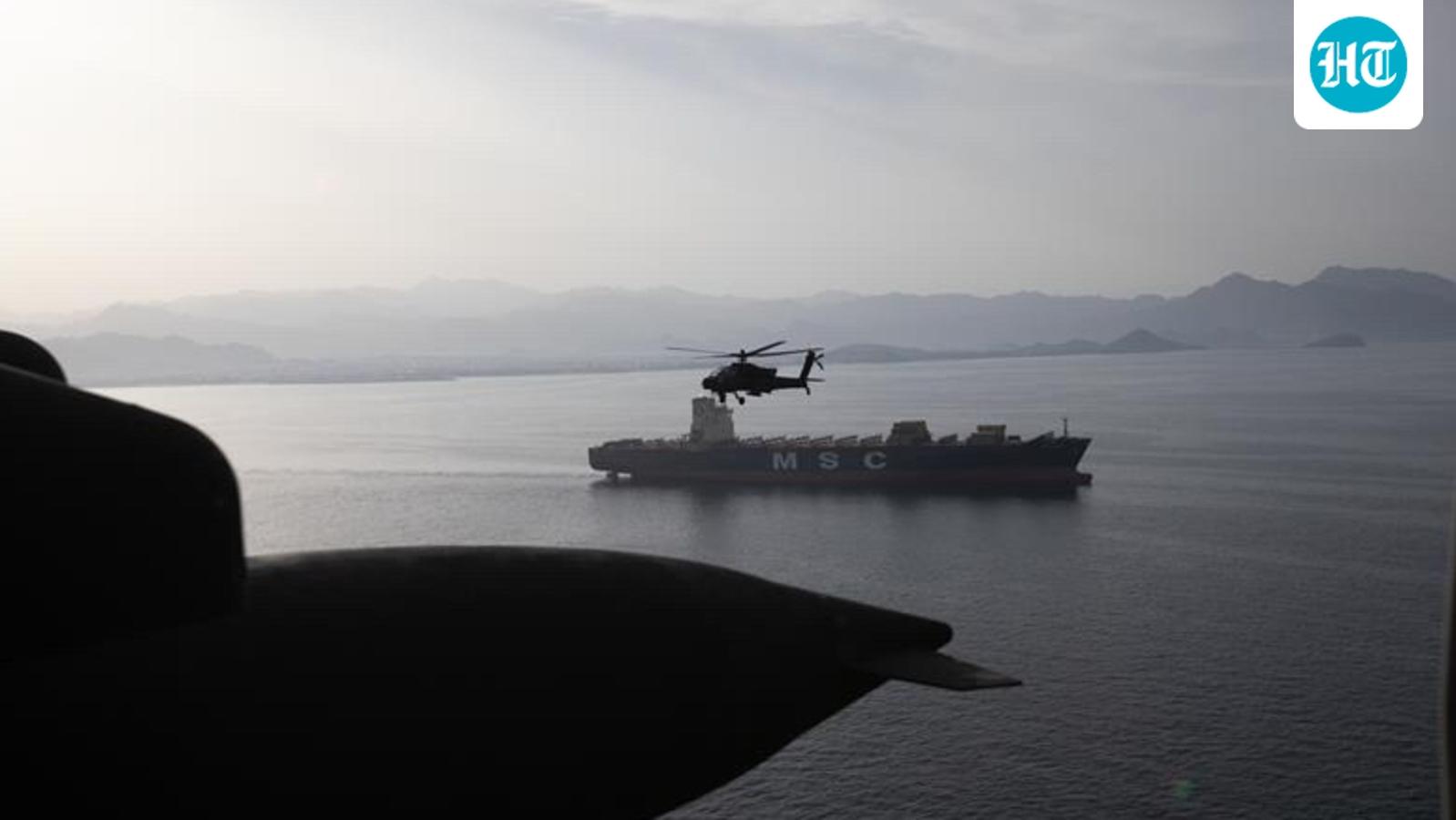
Al Jazeera also described the US seizure of the Iranian-flagged container ship Touska close to the Strait of Hormuz in the northern Arabian Sea, saying it was en route to the Iranian port of Bandar Abbas.
The US military’s Central Command (CENTCOM) and President Donald Trump said the Touska had refused to follow US orders to withdraw from its planned passage through the Strait of Hormuz.
Al Jazeera further stated that the seizure came after the US imposed a naval blockade on all Iranian ports on April 13, and that the US military said it would bar ships belonging to Iran or travelling to or from Iranian ports from passing through the strait.
In the same reporting, CENTCOM said: “American forces issued multiple warnings and informed the Iranian-flagged vessel it was in violation of the US blockade,” and “After Touska’s crew failed to comply with repeated warnings over a six-hour period, Spruance directed the vessel to evacuate its engine room” before the destroyer fired at the Iranian ship.
Blockade and boarding details
Reporting across outlets described the US blockade as an effort to stop ships entering or exiting Iranian ports and coastal areas, and it laid out how the Touska was intercepted and immobilized before boarding.
Hindustan Times said the US Navy boarded and seized two vessels and directed 27 others to turn around or return to an Iranian port since it began a blockade on April 13, with the blockade in place since 10 am ET (7.30pm IST) after the failure of talks to end the Iran war.

Hindustan Times added that the blockade was being enforced by at least 15 US warships, and it quoted Admiral Brad Cooper, commander of the US Central Command, saying: “US forces have completely halted economic trade going in and out of Iran by sea.”
It also described where the Touska was seized, stating that the guided-missile destroyer USS Spruance (DDG 111) intercepted Touska as it transited the north Arabian Sea en route to Bandar Abbas.
Hindustan Times said US forces issued multiple warnings and informed the Iranian-flagged vessel it was in violation of the US blockade, and that “After Touska’s crew failed to comply with repeated warnings over a six-hour period, Spruance directed the vessel to evacuate its engine room.”
It further reported that Spruance disabled Touska’s propulsion by firing several rounds from the destroyer’s 5-inch MK 45 Gun into Touska’s engine room, and that US Marines from the 31st Marine Expeditionary Unit later boarded the non-compliant vessel, which “remains in US custody.”
BBC’s explainer framed the Touska seizure as the first ship seized by the US since its blockade began, saying Trump wrote on Truth Social that the ship was seized after failing to respond to a warning to stop.
Tehran’s piracy claims
Iran’s response to the Touska seizure centered on the claim that the US action violated the ceasefire and international law, with multiple outlets quoting Iranian officials and describing diplomatic steps.
“Get the news, your way Sign in for podcasts, documentaries and analysis Sign in orRegister Maybe later Media caption, What we know about the Iranian ship seized by the US Published 20 April 2026 The US has intercepted an Iranian ship entering the Gulf as part of its naval blockade, US President Donald Trump has said”
Anadolu Ajansı said the Iranian Foreign Ministry described the detention of the cargo ship 'Tuska,' which flies the Iranian flag, as an 'illegal and terrorist' act, and it said U.S. forces detained the ship's crew and their families while calling for the immediate release of the ship and its crew.
The same Anadolu report said Tehran called the detention a violation of international law and the latest ceasefire.
Al Jazeera’s reporting from Tehran said Iranian officials were discussing charges and transit fees for vessels using the route, and it quoted Tohid Asadi describing an IRGC position that “any passage of ships, vessels or oil tankers through the Strait of Hormuz should be with the permission and coordination of the IRGC.”
Al Jazeera also said Iran called Washington’s capture of the vessel “an act of piracy,” and it tied the dispute to a broader pattern of accusations, including a reference to Venezuela making a similar allegation when the US seized sanctioned oil tankers off its coast.
In another account, ال جزيرة نت said the Iranian Foreign Ministry condemned the attack and described the US attack as piracy and an act of terrorism, stressing it violated the ceasefire agreed between Tehran and Washington.
BBC’s explainer also captured the retaliatory framing, saying Iran said it would retaliate soon for an "act of armed piracy".
UN complaint and legal framing
Tehran elevated the dispute into formal diplomacy, describing the Touska incident as a violation of the ceasefire and international maritime law and urging accountability through the UN system.
Yeni Safak English said Iran lodged a formal UN complaint following an American military assault on the commercial vessel Toska near Iranian waters, and it described the incident as occurring on April 19, 2026.
The outlet said Iranian diplomats demanded immediate release of the ship and its personnel, warning that such aggression threatens regional stability and international shipping corridors.
Yeni Safak English reported that Iranian representatives at the United Nations criticized Washington’s actions as possessing the characteristics of maritime banditry, and it said the letter was directed to both UN Secretary-General Antonio Guterres and the current leadership of the Security Council.
It also stated that Iranian officials characterized the operation as an illegal assault on a non-combatant ship and emphasized the grave dangers posed to civilian seafarers and their relatives.
Yeni Safak English added that the complaint invoked Resolution 3314, which defines attacks on another nation's naval assets as acts of aggression, and it said Iranian representatives argued that the boarding or assault of their commercial vessel meets the criteria outlined in that declaration.
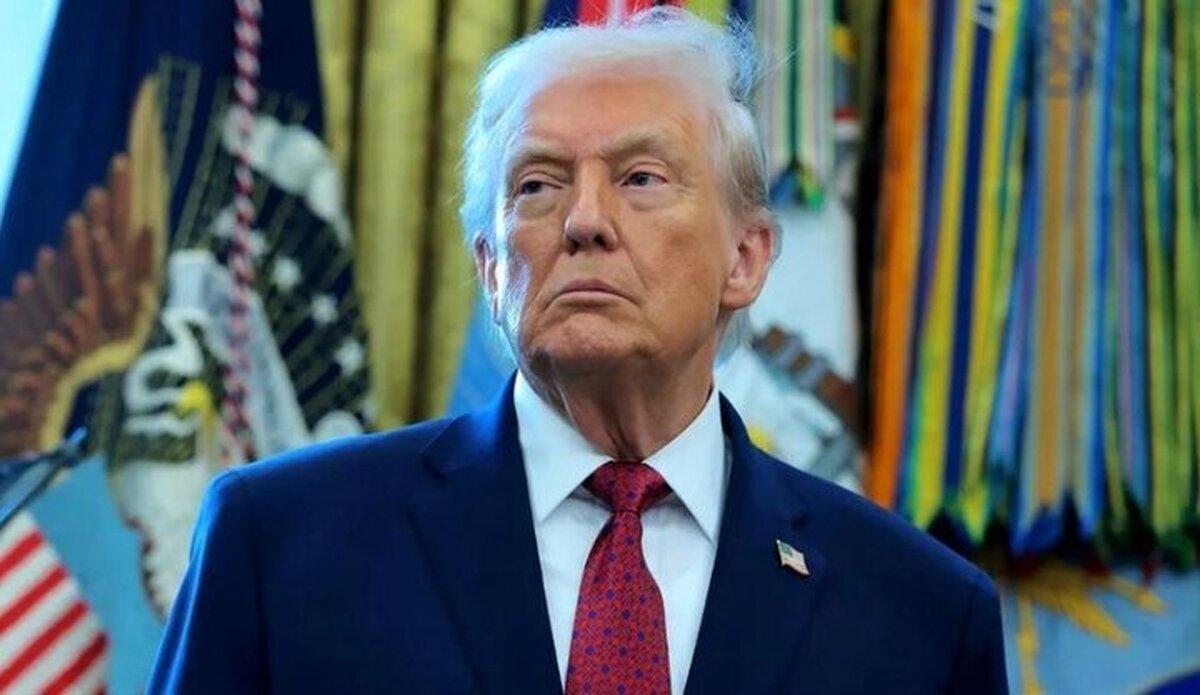
The Washington Post described the broader stakes in parallel, saying the seizure on Sunday came hours after President Donald Trump renewed his threats of broad attacks on Iran’s infrastructure if no deal is reached in talks expected this week in Pakistan, and it reported that Iran threatened to retaliate Monday after the US military seized the Iranian-flagged cargo ship in the Gulf of Oman.
Dual-use claims and escalation risk
Several reports connected the Touska seizure to the US blockade’s enforcement logic and to claims about what the ship might be carrying, while also describing how the incident could affect the ceasefire and regional security.
“Seizure of an Iranian-flagged merchant ship by U”
Al Jazeera said Iranian officials were now discussing charges and transit fees for vessels using the route, and it described the US blockade as a response to Iran’s block on most vessels coming through the narrow waterway, with the US military saying it would bar ships belonging to Iran or travelling to or from Iranian ports from passing through the strait.
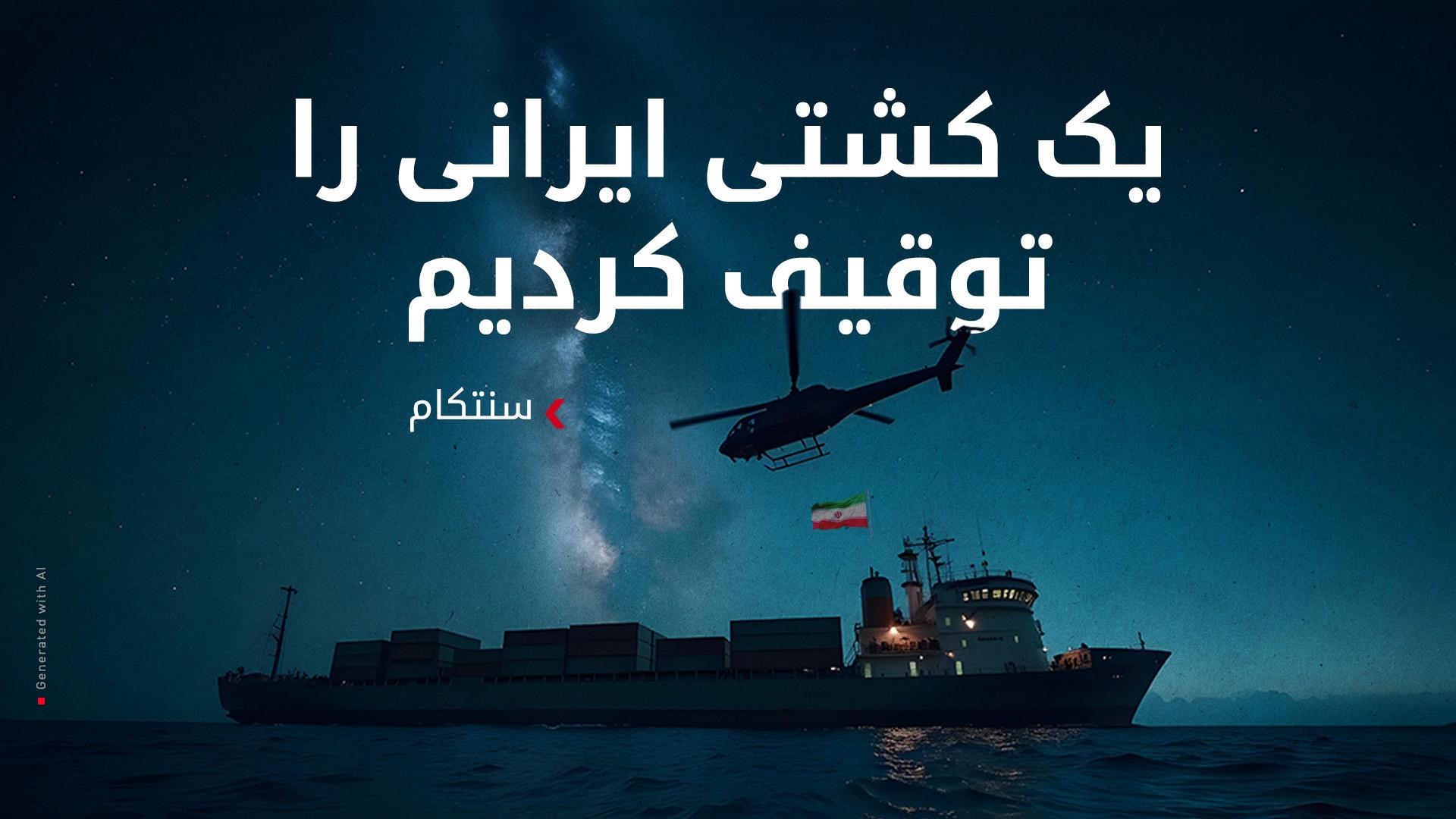
It also described the Touska’s attempted passage from the Arabian Sea via the Gulf of Oman through the Strait of Hormuz towards Bandar Abbas, and it said CENTCOM reported that the crew failed to comply with repeated warnings over a six-hour period.
Al Jazeera’s account also said the US military enforced its naval blockade on Iranian ports and the Strait of Hormuz in response to Iran’s block, and it stated that since the war began Iran has allowed only a few ships belonging to nations that have struck deals with Tehran to pass.
ال جزيرة نت added a specific detail by citing Reuters, saying Reuters cited anonymous security sources in the maritime-security sector who suggested that the vessel Tooska carries items that Washington considers 'dual-use' materials that could be used by the Iranian military.
That report said the sources did not provide details about these materials, but it also said CENTCOM listed metals, pipes, electronic components, and other items among the materials that could have military or industrial uses and thus may be seized as part of the naval blockade.
The Washington Post tied the seizure to broader escalation by reporting that Trump renewed threats of broad attacks on Iran’s infrastructure if no deal is reached in talks expected this week in Pakistan, and it said the seizure sent oil prices soaring and further imperiled a fragile ceasefire.
More on Iran
Iranian Forces Seize Two Container Ships in Strait of Hormuz After Trump Extends Ceasefire
40 sources compared

Iran’s IRGC Navy Seizes Two Ships in Strait of Hormuz After Trump Extends Ceasefire
59 sources compared
U.S.-Iran Negotiations In Doubt As Ceasefire Timeline Remains Unclear
29 sources compared
Abbas Araghchi Says US Violations Drove Strait of Hormuz Crisis After Iran Seized Two Ships
12 sources compared