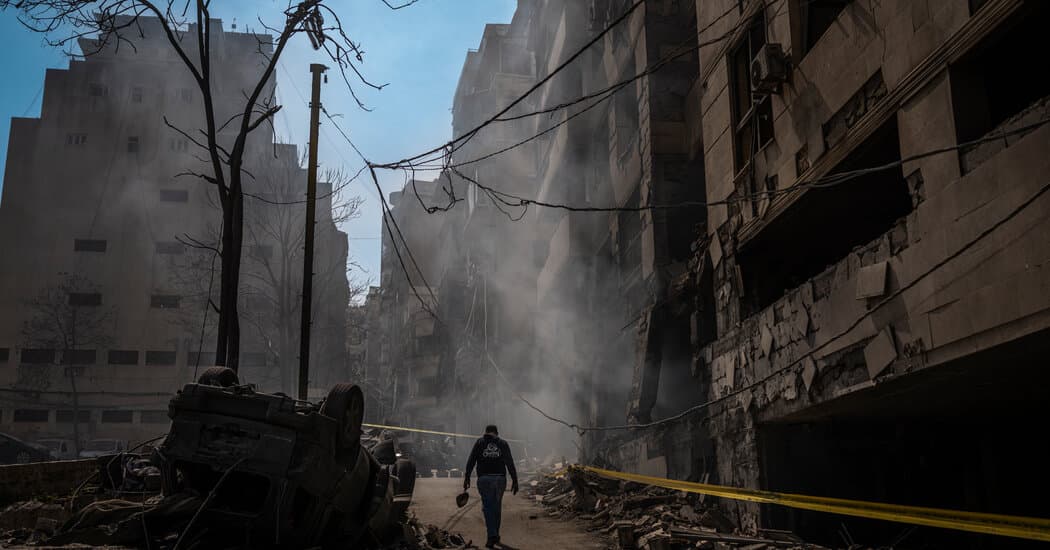
U.S. Military Attacks Iran’s Oil Export Hub, Trump Says
Key Takeaways
- Strikes hit Kharg Island military sites, including storage for missiles and mines.
- A U.S. military official said economic infrastructure was not targeted.
- Oil prices have risen more than 40 percent since the start of the war.
U.S. Military Operation
The United States conducted a major military bombing raid on Kharg Island, Iran's crucial oil export hub, according to President Trump who announced the operation on his Truth Social platform.
“The strikes on Kharg Island hit military sites, including those storing missiles and mines, a U”
This strategic attack targeted facilities that U.S. officials claimed were being used to block international shipping lanes in the Strait of Hormuz, with military officials stating the strikes aimed at naval mine storage facilities and missile storage bunkers.
The operation represents a significant escalation in tensions between the two nations, as Kharg Island plays an outsized role in Iran's economy, serving as the transit point for approximately 90 percent of the country's crude oil exports before the conflict began.
The timing of the attack coincides with reports that Iranian Supreme Leader Khamenei had been wounded during the initial phase of the Israeli-American assault against Iran, suggesting a coordinated military strategy targeting Iran's economic and leadership infrastructure.
Strategic Economic Target
Kharg Island's strategic and economic importance cannot be overstated, as it represents a critical vulnerability for Iran's economy and global energy markets.
Before the war, approximately 90 percent of Iran's crude oil exports transited through this coral outcrop in the northern reaches of the Persian Gulf, with deep waters providing necessary clearance for large oil tankers to dock.
The island hosts three main energy infrastructure sites, including Falat Iran Oil Company, considered the country's largest.
China emerged as the primary beneficiary of these exports, purchasing Iranian oil through a shadow fleet of tankers that evade Western sanctions, with oil exports to China representing about 6 percent of Iran's economy and equal to roughly half of the country's total government spending.
Iran's role as a major oil supplier to China is significant, as the Islamic Republic provided about 13 percent of China's oil imports before the conflict intensified.
Damage Assessment Dispute
The U.S. attack on Kharg Island has triggered competing narratives about the extent of damage and its impact on Iranian oil exports.
“The strikes on Kharg Island hit military sites, including those storing missiles and mines, a U”
U.S. Central Command claimed their 'large-scale precision strike' destroyed 'naval mine storage facilities, missile storage bunkers and multiple other military sites' while preserving the island's oil infrastructure.
However, an Iranian Oil Ministry official described the attacks as 'enormous and destructive,' with employees reporting nearly two hours of nonstop explosions that shook the island like an earthquake.
This official warned that any attack on Kharg Island's oil and gas infrastructure would immediately halt operations at the export hub, potentially devastating Iran's economy.
The conflicting reports create uncertainty about the true effectiveness of the U.S. strike and whether the strategic target was successfully neutralized without causing irreparable economic damage to Iran.
Iran's Response
Iran's response to the Kharg Island attack has been multifaceted, involving both military retaliation and domestic political signaling.
Hezbollah, the Iran-backed Lebanese militant group, announced it had launched missile strikes toward northern Israel in response to the intensified U.S. military campaign.
The group's involvement highlights the regional dimension of the conflict, as Iran leverages its network of proxy forces to project power and retaliate against attacks on its homeland.
Domestically, thousands of Iranians participated in a Tehran rally marking Quds Day, an annual event hosted by the Iranian government against Israel.
Demonstrators chanted 'Death to Israel' and 'Death to America,' while burning the Israeli flag in what was described as an effort by loyalists to demonstrate continued support for the clerical leadership.
These synchronized actions suggest Iran is attempting to maintain both regional deterrence and domestic unity amid escalating military pressure.
Civilian Casualties
The human cost of the escalating conflict between the United States and Iran continues to mount, with civilian casualties rising on both sides.
“The strikes on Kharg Island hit military sites, including those storing missiles and mines, a U”
Iran's representative to the United Nations reported that more than 1,348 civilians in Iran have been killed since the start of the war, providing the latest official figure for casualties in the Islamic Republic.
In neighboring Lebanon, officials reported that nearly 800 people had been killed and over 2,000 others injured, indicating the spillover effects of the regional conflict.
These casualty figures demonstrate the increasingly humanitarian dimension of the military confrontation, with civilian populations bearing the brunt of the violence as both nations engage in increasingly aggressive military posturing.
The rising death toll underscores the risks of further escalation and the potential for even greater civilian suffering as the conflict continues to intensify across the region.
More on Lebanon
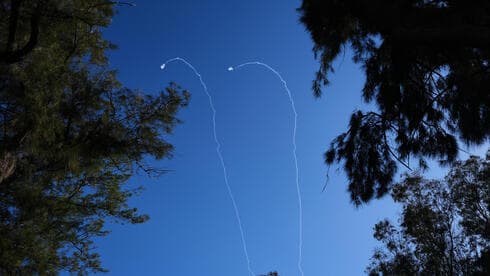
Israel begins its long-planned ground invasion of Lebanon
13 sources compared

Hezbollah Fires 200 Rockets at Israel From Lebanon
17 sources compared
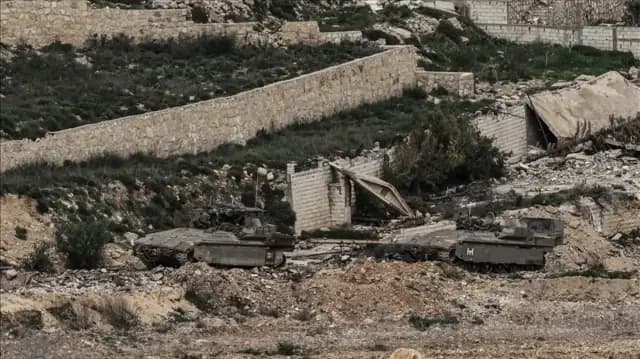
Israel Attacks Hezbollah Infrastructure in Beirut, Forcing Over 1 Million Lebanese to Flee
12 sources compared
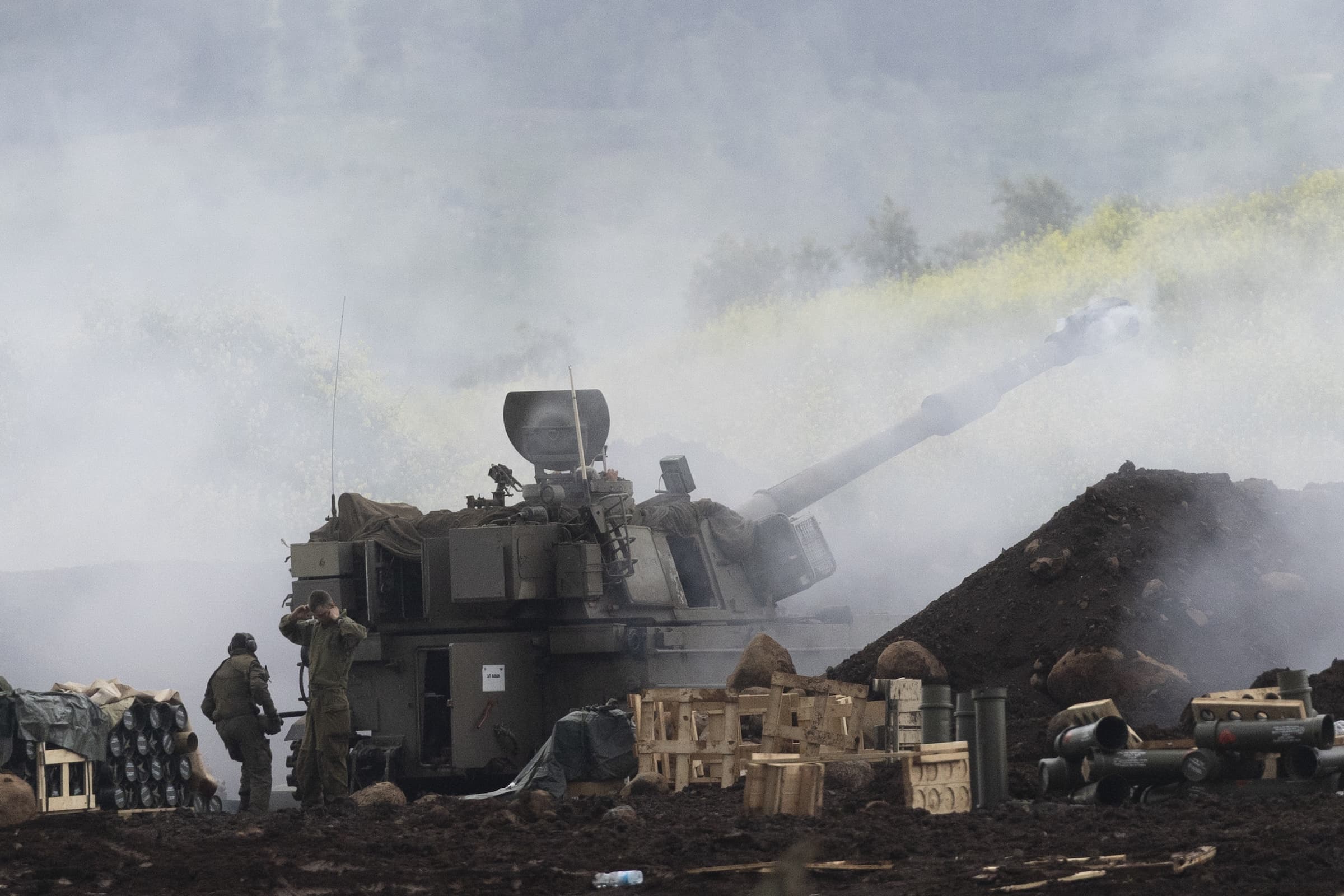
Israel Launches Ground Operation in Southern Lebanon to Target Hezbollah
10 sources compared