Iran24 April, 20268 min read
US Military Develops Plans To Target Iran’s Strait Of Hormuz Defenses If Ceasefire Fails
This article is an automated aggregation of coverage from news outlets. Our editorials offer in-depth analysis curated by the NewsCord team.
U.S. plans to target Iran's Hormuz defenses if ceasefire fails. Strait of Hormuz tensions include ship seizures and Iranian mine deployments.

The Guardian was read line by line by the Watchdog: 3.2. See the score →
Ceasefire strains, new plans
The United States military is developing new plans to target Iran’s capabilities in the Strait of Hormuz if the current ceasefire with Iran falls apart, according to CNN. CNN says the options include strikes with a particular focus on “dynamic targeting” of Iran’s capabilities around the Strait of Hormuz, southern Arabian Gulf and Gulf of Oman, and that the plan would concentrate bombing “around strategic waterways.” CNN reports that the shut down of the strait has caused “massive ripples in the global economy,” threatening to undermine President Donald Trump’s efforts to reduce US inflation, and that this has occurred despite a ceasefire pausing US strikes that began on April 7.
CNN also reports that while the military has targeted Iran’s Navy, “much of the first month of bombing was focused on targets away from the strait,” and that the new plans call for a “much more concentrated bombing campaign around strategic waterways.” The CNN report adds that CNN previously reported that “roughly half of Iran’s missile launchers and thousands of one-way attack drones had survived the US bombing campaign,” and that Iran has numerous small boats that could be used as platforms to launch attacks on ships.

A source familiar with the military planning told CNN, “Unless you can unequivocally prove that 100% of Iran’s military capability is destroyed or near certainty that the US can mitigate the risk with our capability, it will come down to how badly is [Trump] willing to accept the risk and start pushing ships through the strait.” CNN also says the US military could follow through on Trump’s previous threat to strike dual-use and infrastructure targets, including energy facilities, to compel Iran to the negotiating table, while “Striking infrastructure targets would represent a controversial escalation in the conflict,” some current and former US officials warned.
Mines, seizures, and orders
As the maritime standoff intensified, President Donald Trump ordered the U.S. military to “shoot and kill” any Iranian boats laying mines in the strait, while the U.S. also boarded another tanker it said was involved in smuggling Iranian oil, NBC News reported. NBC News frames the situation as leaving the Strait of Hormuz “at an effective standstill,” and says the U.S. military says it has boarded another tanker involved in smuggling Iranian oil as Iran and the U.S. compete for control of the trade route. NBC News reports that Tehran attacked three commercial ships and seized two of them “yesterday,” and that Tehran said the U.S. naval blockade is a “main obstacle” to new peace talks.
NBC News also says Trump extended the ceasefire and told reporters there is “no time pressure” in talks with Iran and “no time frame” on ending the war. In parallel, the Guardian reports that Trump claimed the U.S. has “total control over the strait of Hormuz” after Iran seized two container ships, while the Guardian says the claim seemed questionable in the face of the seizure and a U.S. report warning it could take six months to clear the strait of mines. The Guardian adds that the Pentagon warned it could take up to six months to clear all suspected mines, and that the report said approximately 20 mines were thought to have been placed in the strait.

The Guardian also quotes Trump’s Truth Social post saying, “There is to be no hesitation,” and “to shoot and kill” any boat mining the waterway. CNBC similarly describes the standoff as evolving into “a confrontation between naval blockades,” with Trump claiming “total control” and ordering that “no ship is allowed to enter or leave the strait without the approval of the Navy,” while CNBC says Iran continues to demand ships obtain its permission to transit the strait.
Competing narratives of control
The reporting from CNN, the Guardian, and CNBC shows a dispute not only over tactics but over who controls the waterway, with each outlet emphasizing different elements of the same standoff.
“We have total control over the strait of Hormuz. No ship can enter or leave without the approval of the United States navy.”
CNN says Trump has continued to voice frustration over Iran’s refusal to reopen the Strait of Hormuz, which it “effectively closed-off to international shipping,” and CNN reports that the shut down has occurred despite a ceasefire pausing US strikes that began on April 7.
The Guardian, meanwhile, highlights Trump’s claim that the U.S. has “total control over the strait of Hormuz,” quoting his Truth Social post: “We have total control over the strait of Hormuz. No ship can enter or leave without the approval of the United States navy.”
CNBC also repeats Trump’s “total control” assertion and says Trump claimed “no ship is allowed to enter or leave the strait without the approval of the Navy,” while CNBC describes Iran’s position that it continues to demand that ships obtain its permission to transit the strait.
Where the Guardian and CNN diverge is in how they frame the feasibility of reopening the strait: CNN says “Military strikes around the strait, on their own, are unlikely to immediately re-open the waterway,” and it quotes a source saying the decision would hinge on risk tolerance and whether the U.S. can mitigate danger.
The Guardian adds that the Pentagon warned it could take up to six months to clear suspected mines, and it reports that a Pentagon spokesperson described the Washington Post report as “inaccurate” without providing specific objections.
CNBC adds operational detail about the standoff by saying two cargo vessels, but no tankers, have crossed the strait so far Thursday, and that at least nine tankers have transited the sea lane since Monday, citing ship tracking data from LSEG.
The Guardian also reports that the impact of the dual blockades has been compounded by sea mines, and that the global oil price remained around $100 (£74) a barrel as the standoff continued.
Mine-clearing timelines and escalation
The stakes of the mine problem are reflected in the timeline warnings and in the way U.S. planning is described as conditional on risk and capability.
CNN reports that “Military strikes around the strait, on their own, are unlikely to immediately re-open the waterway,” and it adds that the U.S. military could follow through on Trump’s threat to strike dual-use and infrastructure targets, including energy facilities, to compel Iran to the negotiating table.
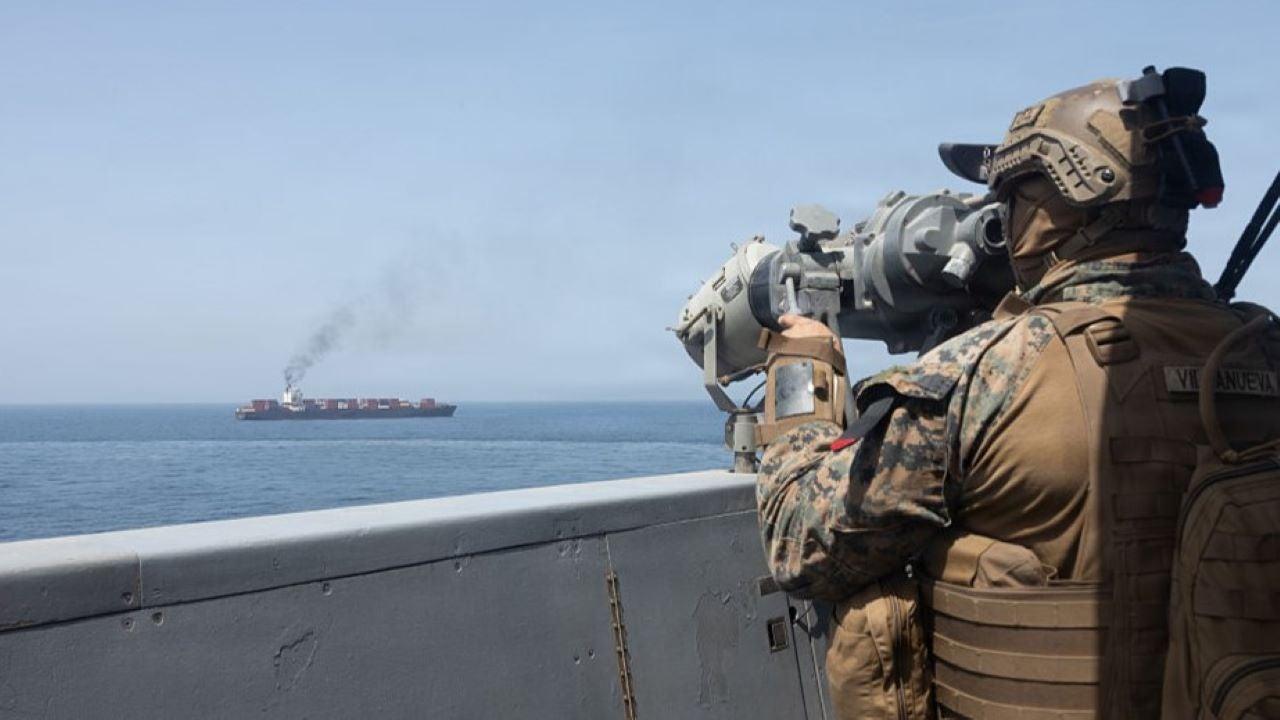
The Washington Post reports that clearing the Strait of Hormuz of mines could take six months, and it says the Pentagon informed Congress that “any such operation is unlikely to be carried out until the U.S. war with Iran ends,” meaning the conflict’s economic impact could extend late into this year or beyond.
The Guardian similarly reports that the Pentagon warned it could take up to six months to clear all suspected mines, and it says the report estimated approximately 20 mines were thought to have been placed in the strait, with some deposited by small boats and others manoeuvred into place remotely.
The Guardian also notes that a Pentagon spokesperson described the report as “inaccurate” but did not provide specific objections, underscoring disagreement about the details of the mine threat.
Axios reports that Iran’s Islamic Revolutionary Guard Corps (IRGC) navy laid more mines in the Strait of Hormuz this week, citing a U.S. official and a source with knowledge, and it says the U.S. official declined to provide the number of new mines.
Axios adds that the aircraft carrier USS George H.W. Bush and its strike group arrived Thursday in the U.S. Central Command (CENTCOM) area of responsibility, and it says it will be the third U.S. aircraft carrier in the region, tightening the naval blockade and giving Trump more military options.
In the same period, NBC News reports Trump ordered “shoot and kill” for Iranian boats laying mines and says the U.S. would intensify its efforts to clear mines that have helped choke off global shipping, while CNBC reports that the ceasefire has silenced bombs, missiles and drones for now but the confrontation has shifted to naval blockades.
International planning and UN evacuation
Beyond U.S. military options, the sources describe a parallel push for multinational planning to reopen the Strait of Hormuz and protect navigation, alongside UN efforts to evacuate stranded ships. The جريدة المدى report says thirty countries will meet in London, jointly led by the United Kingdom and France, for a two-day event on Wednesday and Thursday, with discussions focused on developing detailed operational plans to reopen the Strait of Hormuz and provide protection for safe navigation. The report says the meeting will be held at the British Permanent Joint Headquarters in Northwood, north of London, and that the discussions aim to translate diplomatic consensus into coordinated military planning for freedom of navigation and support a permanent ceasefire.
“Thirty countries meet in London to develop a plan to reopen the Strait of Hormuz.”
It adds that the summit also proposed establishing an independent international naval mission with a defensive mandate to protect merchant ships, reassure shipping companies, and carry out mine-clearing operations to restore safe navigation. The report includes Ukraine’s potential role, saying Ukraine is considering joining an international mission by offering its mine-countermeasure ships, and that Kyiv plans to announce its readiness to provide resources including four mine-countermeasure vessels currently stationed at Portsmouth in the United Kingdom. The report also says the United Nations is drafting a plan to evacuate stranded ships, and that the International Maritime Organization is preparing a plan to evacuate hundreds of ships stranded in the Strait since the start of U.S. and Israeli strikes on Iran more than seven weeks ago, citing Secretary-General Arsenio Dominguez.
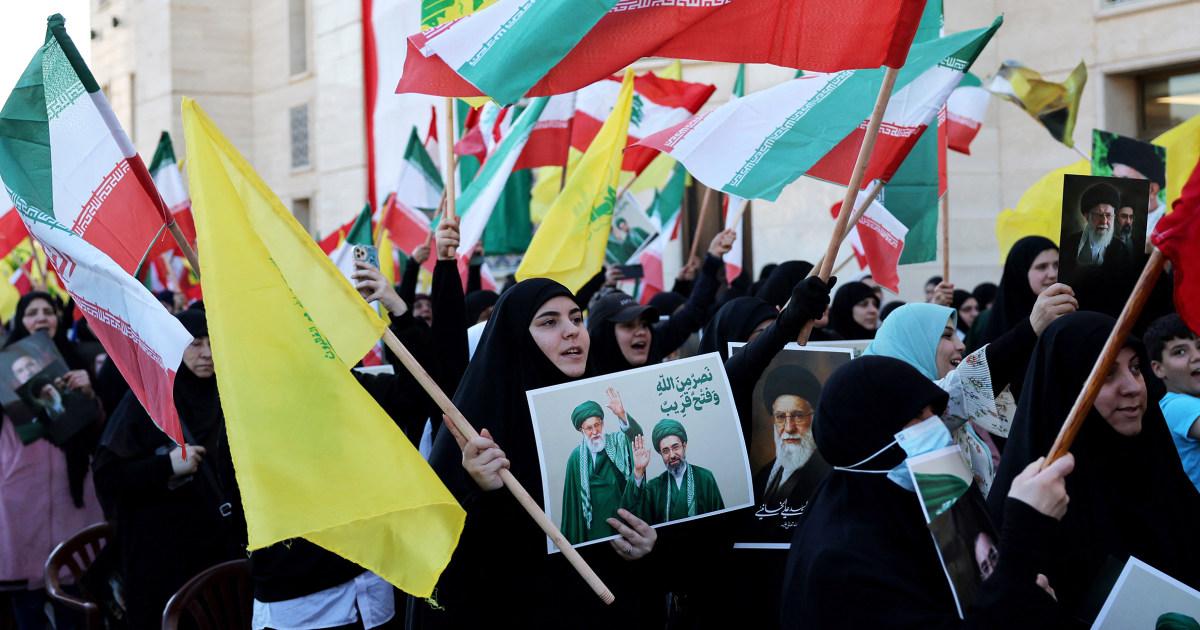
Dominguez is quoted saying the plan can only be implemented if there are clear signs of de-escalation, and he added that the UN agency would need to confirm whether mines have been laid in the Strait before sending ships through it. In the same broader picture of uncertainty, the CNN report says Trump’s ceasefire extension is not “indefinite” and that the U.S. military is standing ready to resume strikes if called upon to do so, while NBC News says Trump ordered the U.S. to “shoot and kill” any Iranian boats laying mines, keeping the immediate risk centered on maritime access.