
Trump Says Iran’s Leaders Fight Like Cats and Dogs Amid U.S. Ceasefire Extension
Key Takeaways
- Iranian officials deny leadership rift and vow unity behind the Supreme Leader.
- Supreme Leader and officials condemn enemy media attempts to divide Iran.
- Outlets portray a coordinated Iranian stance amid Trump's claims and ceasefire extension.
Trump cites Tehran rifts
President Donald Trump said Iran is “having a very hard time figuring out who their leader is,” and he linked that claim to his decision to extend the U.S. ceasefire with Iran, escalating a rhetorical showdown that unfolded across social media during what the Newsweek report described as a fragile diplomatic pause.
In a post to Truth Social on Thursday, Trump argued internal conflict between “hardliners” and “moderates” had delayed Iran’s ability to present a unified negotiating position, prompting the United States to keep the ceasefire in place rather than allow it to expire.
Newsweek also reported that Trump asserted the U.S. maintains total control over the Strait of Hormuz until Iran agrees to a deal, while the White House said the extension was intended to give Iran additional time to produce what the president called a “unified proposal” to end the conflict.
The New Region, reporting from ERBIL in the Kurdistan Region of Iraq, echoed Trump’s framing, saying Iranian officials claimed Iran is united more than ever after Trump said there is an internal power struggle.
The New Region added that Trump described the “hardliners” and “moderates,” with the latter “not very moderate at all (but gaining respect!).”
In parallel, The News Pakistan reported Trump said the United States is in no rush to end the war with Iran and that “the clock is ticking” for the Islamic republic, while also saying a deal will only be made when it is “appropriate and good” for the United States.
Tehran answers with unity
Iranian leaders rejected Trump’s depiction of internal discord and instead projected a message of coordinated discipline and obedience to the Supreme Leader.
Newsweek reported that President Masoud Pezeshkian wrote on X that the claims of divisions were false, declaring, “In Iran there are no ‘hardliners’ or ‘moderates,’” and adding, “We are all Iranians and revolutionaries. With ironclad unity of nation and state and obedience to the Supreme Leader, we will make the aggressor regret.”
The same language was echoed by parliament speaker Mohammad Bagher Ghalibaf, who described the country as bound together by “iron unity” and “complete obedience” to the supreme leader, according to Newsweek.
Foreign Minister Abbas Araghchi added to the pushback in a statement that Newsweek quoted: “The battlefield and diplomacy are fully coordinated fronts in the same war. Iranians are all united, more than ever before.”
Al Jazeera reported a similar synchronized posting, saying Pezeshkian, Foreign Minister Abbas Araghchi, and Parliament Speaker Mohammad Bagher Ghalibaf joined the Supreme National Security Council in posting the same message on X that included: “In Iran, there are no radicals or moderates,” and “We are all ‘Iranian’ and ‘revolutionary’, and with the iron unity of the nation and government, with complete obedience to the Supreme Leader of the Revolution, we will make the aggressor criminal regret his actions.”
Al Jazeera also quoted Mohammad Reza Aref, Iran’s first vice president, saying, “Iran is not a land of rifts, but a stronghold of unity,” and “We are one soul, one nation.”
In a separate report, PressTV said Supreme Leader Ayatollah Seyyed Mojtaba Hosseini Khamenei lauded unity, stating, “Due to the strange unity created among compatriots, a fracture has occurred in the enemy,” and warning that “The enemy’s media operations, by targeting the minds and psyches of the people, intend to undermine national unity and security.”
Ceasefire, blockade, and leverage
The unity messaging is tied in the reporting to the ceasefire and the struggle over leverage in the Strait of Hormuz.
Newsweek said Trump and the White House framed the extension as giving Iran time to produce a “unified proposal” while U.S. forces continue enforcing a naval blockade on Iranian ports, and it reported Trump asserted U.S. control over the Strait of Hormuz until Iran agrees to a deal.
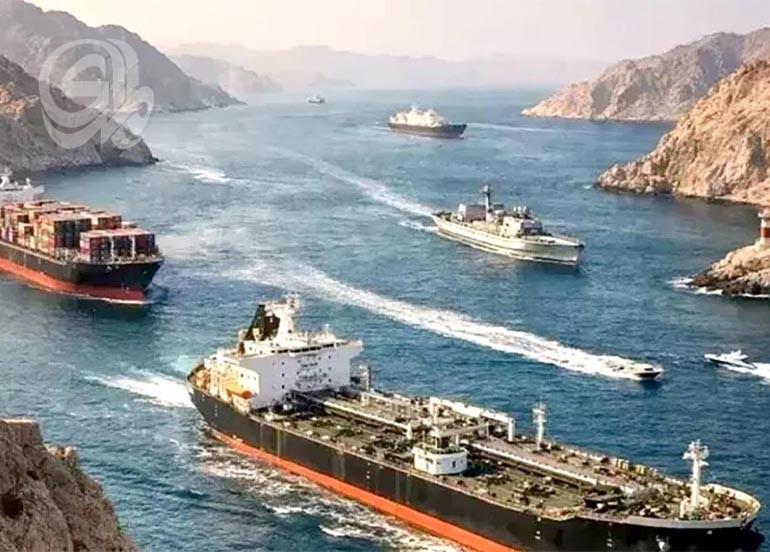
The News Pakistan reported that since Trump indefinitely extended a ceasefire in the Middle East war, the U.S. and Iran shifted their focus to Hormuz, describing it as “a blockaded waterway through which a fifth of oil and liquefied natural gas exports ordinarily flow.”
It also quoted Trump saying, “I have all the time in the World, but Iran doesn´t—The clock is ticking!” and it said Trump claimed Iran’s military was destroyed and that “the Blockade is airtight and strong and, from there, it only gets worse — Time is not on their side!”
Al Jazeera described the diplomatic impasse by saying Tehran stressed that talks “are not happening due to the US blockade on its country’s ports,” while it also reported Trump’s stance that he is comfortable with the status quo of blockading Iran’s ports to inflict economic pain without resuming the war or rushing toward a conclusive deal.
Al Jazeera also quoted Trump’s warning that the U.S. will “shoot and kill” Iranian boats laying mines in the Strait of Hormuz, noting that it could spark a response.
The New Region added that the decentralized nature of Iran’s defensive strategy reportedly gave rise to localized commands, and it referenced rifts where media linked with the Islamic Revolutionary Guards Corps criticized Araghchi for announcing that the Strait of Hormuz was open for passage, with the measure swiftly being reversed as Tehran maintains a “stranglehold” on the economically vital waterway.
Competing narratives and blasts
While Iranian leaders stress unity, other reporting highlights uncertainty about events on the ground and competing claims about what the ceasefire means.
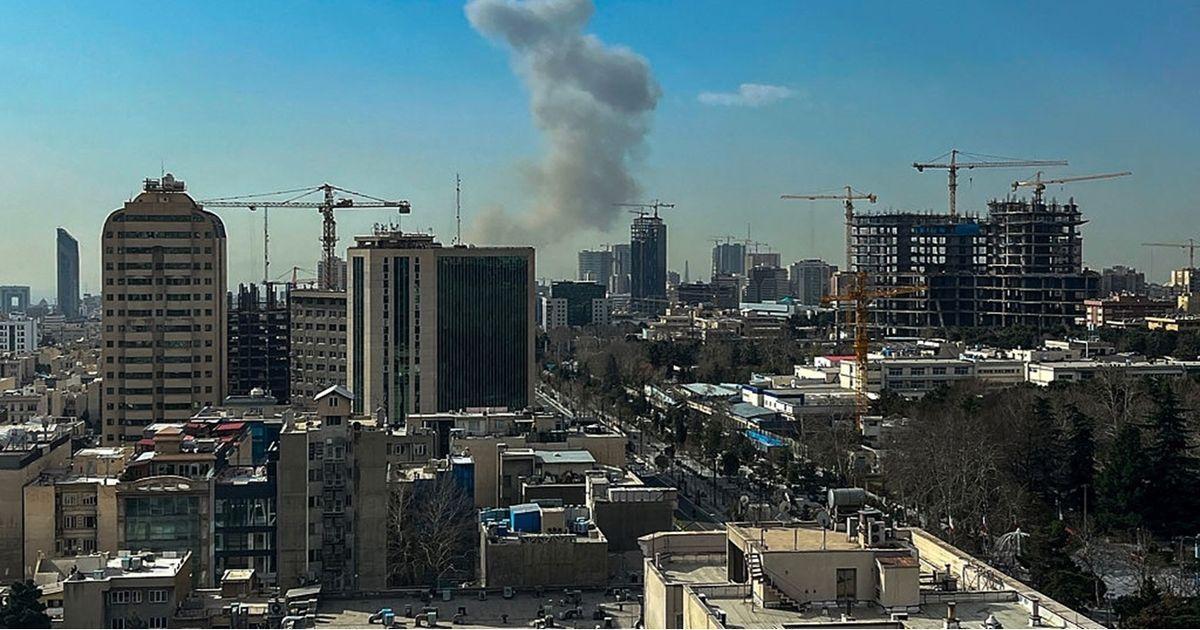
The News Pakistan said Iranian media reported blasts over the capital Tehran, calling it “a first since an increasingly tenuous ceasefire in the Middle East war came into effect two weeks ago,” and it reported that it was not clear what caused the blasts, though an Israeli security source told AFP that Israel was not currently striking Iran.

It also reported that prospective peace talks in Pakistan were hanging in the balance, with no sign of a return to diplomacy to end a standoff in the Strait of Hormuz.
In the same report, Trump said he would not use a nuclear weapon in the war against Iran, quoting him: “Why would I use a nuclear weapon? We’ve totally, in a very conventional way, decimated them without it,” and it added, “No, I wouldn’t use it. A nuclear weapon should never be allowed to be used by anybody.”
Al Jazeera, meanwhile, reported that Iranian Supreme Leader Mojtaba Khamenei has not made a public appearance since replacing his father, Ali Khamenei, who was killed by US-Israeli strikes on February 28, and it said US officials have said the younger Khamenei was wounded and “disfigured” in the strike.
Al Jazeera added that The New York Times reported on Thursday, citing unidentified Iranian officials, that Khamenei is gravely wounded but remains “mentally sharp.”
PressTV and Anadolu Ajansı both framed the unity message as a response to “enemy” media operations, with PressTV warning that “The enemy’s media operations” target minds and psyches, and Anadolu Ajansı reporting that Mojtaba Khamenei warned of “enemy” media operations targeting national unity and urged vigilance against psychological warfare.
What comes next
The reporting ties the unity dispute to immediate risks around Hormuz, the blockade, and the prospects for talks.
Newsweek said the dueling narratives underscore how both sides are fighting for leverage in public as well as behind closed doors, with Trump portraying Tehran as weakened and divided while Iran projects strength, cohesion and resolve under external pressure.

It also said the online sparring suggests that any path toward a lasting agreement remains uncertain—and highly contested.
The News Pakistan added that there was “no sign of a return to diplomacy” to end the standoff in the Strait of Hormuz, while it described Trump’s claim that Iran might have “loaded up their weaponry ‘a little bit’ during the two-week ceasefire,” and that the U.S. could knock that out “about one day.”
It also reported Trump ordered the U.S. Navy to destroy any Iranian boat caught laying mines in Hormuz, quoting him: “I ordered the United States Navy to shoot and kill any boat, small boats though they may be... that is putting mines in the waters of the Strait of Hormuz.”
Al Jazeera reported that Trump warned Americans should expect higher fuel prices in the near term and said consumers would face increased costs “for a little while,” while also quoting Trump’s statement that “A Deal will only be made when it’s appropriate and good for the United States of America, our Allies and, in fact, the rest of the World.”
Al Jazeera further reported that Israel’s Defence Minister Israel Katz said his country is awaiting a green light from Trump to return Iran to the “age of darkness,” and it quoted Katz saying, “Israel is prepared to renew the war against Iran.”
More on Iran
Abbas Araghchi Says Israel’s Assassinations Failed Against Iran’s Coordinated Resistance
13 sources compared
Trump Orders U.S. Navy To Shoot And Kill Iranian Mine-Laying Boats In Strait Of Hormuz
27 sources compared

Donald Trump Orders U.S. Military To Shoot Iranian Mine-Laying Vessels In Strait Of Hormuz
15 sources compared
US Military Develops Plans To Target Iran’s Strait Of Hormuz Defenses If Ceasefire Fails
10 sources compared