USA04 September, 20262 min read
U.S. Military Disables Advertising Trackers on Computers and Cellphones After Targeting Reports
This article is an automated aggregation of coverage from news outlets. Our editorials offer in-depth analysis curated by the NewsCord team.
U.S. armed forces disabled advertising trackers on phones and computers to curb targeting. Action followed reports that commercially available location data tracked U.S. troops in the Middle East.

17 outlets told this the same way.
MAIDs switched off
The U.S. military disabled advertising trackers on computers and cellphones after reports that commercially sourced location data was being used to target American forces deployed in the Middle East, with the Air Force telling Senator Ron Wyden it shut down advertising identifiers on computers and mobile devices two months ago.
U.S. Special Operations Command told Wyden it had “recently” turned them off on Windows hardware, while the Army told Reuters that mobile advertising IDs have been disabled since earlier this year.
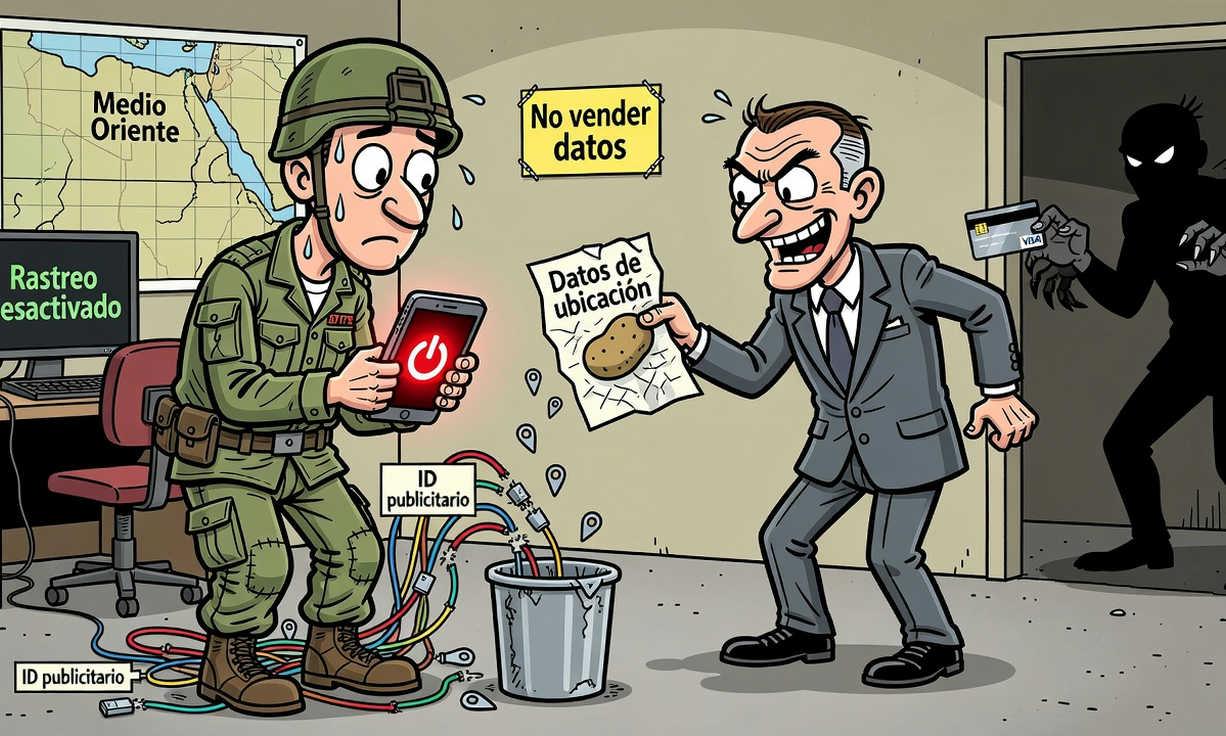
Wyden, an Oregon Democrat, said the disclosures highlight a growing national security concern that location data gathered by the ad industry and sold by data brokers can be exploited to monitor and target troops in combat zones.
The Pentagon noted in an email that it would reply to lawmakers directly, and the Air Force and Special Operations Command declined further comment.
Lawmakers press for answers
Wyden and U.S. Representative Pat Harrigan, a North Carolina Republican, sent a joint letter to the Pentagon on Friday calling for an investigation into whether the military adequately defended against the commercial location data market.
Wyden said in a statement that military measures “have not been effective at neutralizing this threat,” while Harrigan argued that foreign adversaries “should not be able to pull out a credit card and buy information that helps them track American troops.”

The letter detailed updates from various military branches on disabling advertising IDs on service devices, and similar letters from the Army and Navy confirmed they disabled advertising IDs on military equipment without indicating when those rules were introduced.
The Army stated that advertising IDs on Windows computers were blocked "since before 2021" but Android and Apple mobile devices only had them disabled by default "since at least February 2026."
What comes next
The disclosures also come as defense officials evaluate broader bans on mobile phone usage, after Reuters reported in July that personnel deployed in the Middle East could be commanded to turn in their phones amid fears that video posts were helping Iran target American bases in the area. Zach Edwards, co-founder of ad tech privacy firm Decryptads, called the effort to disable MAIDs on military equipment “definitely a positive thing,” saying the restrictions “will essentially ensure their location isn't being included in bulk data sales being done by numerous vendors.”
Edwards warned, however, that personnel could still be tracked through more complex means, such as combining device tech details with network or location data. In the meantime, the Air Force and Special Operations Command declined further comment, and messages seeking comment from the Navy went unreturned as the Pentagon prepared to respond to the lawmakers directly.